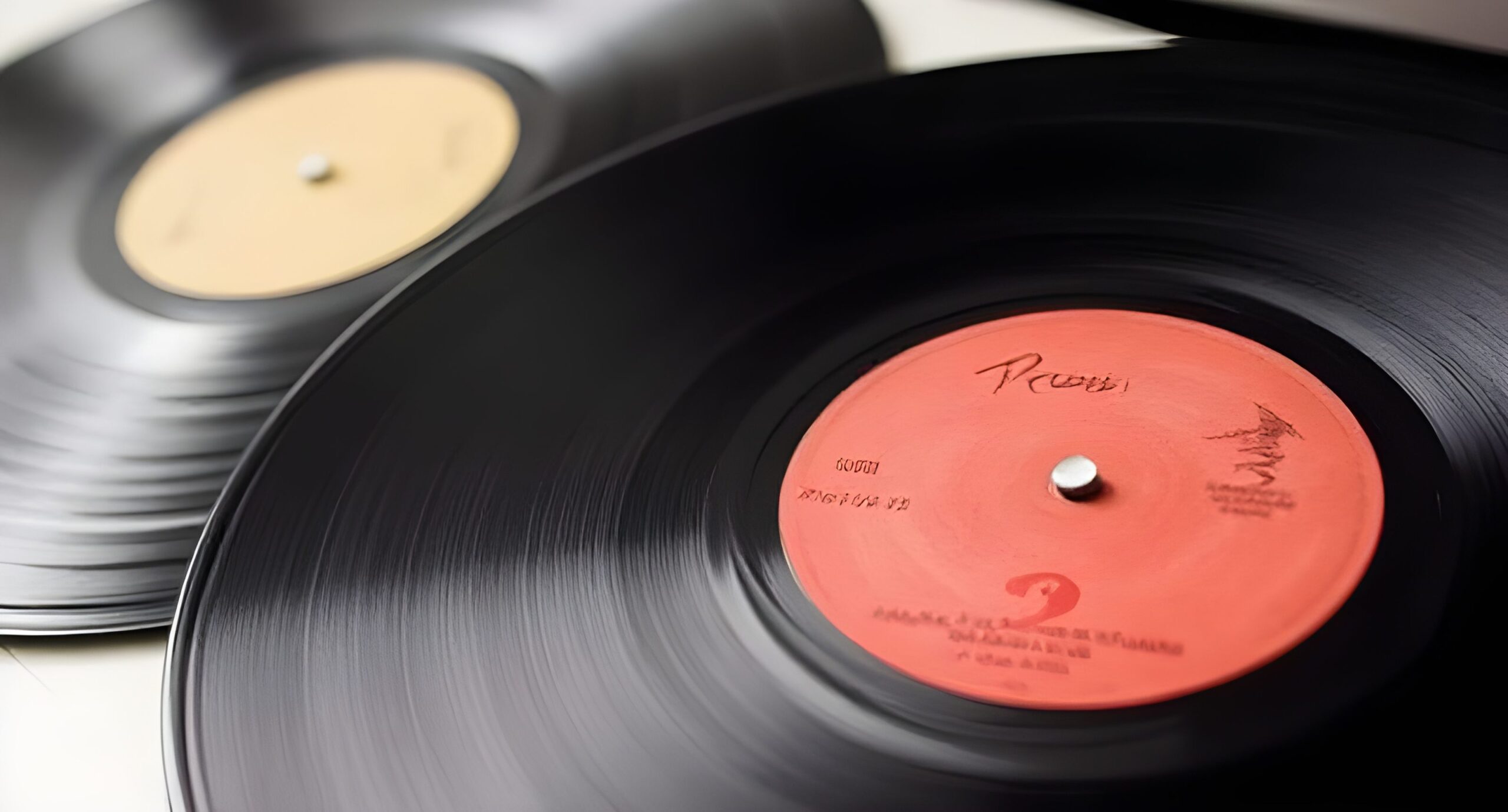
Vinyl records are more than just music; they are nostalgic treasures, collector’s items, and, in some cases, rare investments. Whether you’re rediscovering an old collection in your attic or looking to buy, sell, or trade, understanding the value of vinyl records is essential. Accurate vinyl record appraisals ensure you’re informed about their market worth, whether you’re a casual collector or a seasoned enthusiast.
This guide explores methods, tools, and factors to consider when appraising vinyl records. By the end, you’ll know how to assess your collection’s value and where to seek expert assistance if needed.
Methods for Vinyl Record Appraisals
A. Consulting Local Record Store Owners
Local record store owners are a valuable resource when it comes to assessing your vinyl records. With years of experience in buying and selling, they have deep knowledge of market trends and collector preferences.
- Why consult them?
Record shop owners often know about specific releases, regional demand, and the rarity of certain albums. They can also appraise the condition and provide a realistic market estimate.
- What to bring?
When visiting a store, please note your record’s artist, album title, release year, label, and catalog number to help them accurately evaluate its value.
B. Utilizing Online Resources
The internet has made it easier than ever to explore vinyl record values, thanks to platforms such as Discog and eBay.
- Discogs: A comprehensive database for cataloging records. Use it to check a record’s release details and sales history. The platform also shows the median, low, and high price ranges based on past sales.
- eBay: Search the listing and sold items sections to view ongoing demand and actual sale prices for the record you own.
C. Considering Key Factors
To accurately appraise your records, you must consider factors such as condition, rarity, age, and special attributes. These contribute significantly to determining market value (explored further below).
D. In-Person Evaluations by Experts
If you possess older or rare records, seeking a professional appraisal can ensure accuracy. Experts and antique appraisers often recognize subtle details that can make a record significantly valuable.
Factors Influencing Vinyl Record Value
A. Condition
The condition of both the vinyl and its sleeve is a major determinant of value. Grading systems like the Goldmine Standard provide a guideline to help assess conditions:
- Mint (M): Factory sealed or unplayed. Perfect in every way.
- Near Mint (NM): Looks as good as new, with no visible damage.
- Very Good Plus (VG+): Slight signs of wear but very few flaws.
- Very Good (VG): Visible wear and surface noise, yet still enjoyable.
- Good (G) / Good Plus (G+): Noticeable damage, but still playable.
- Poor (P) / Fair (F): Unplayable as intended, but might still be appreciated for rarity or cover art.
B. Rarity
Rarity significantly enhances a record’s worth. Some indicators of rarity include:
- Original Pressings: collectors especially prize first pressings and typically hold the highest value.
- Limited Editions: Runs with minimal copies produced.
- Unique Releases: Regional or special releases with limited global availability.
C. Age
Records from earlier decades, such as the 1940s through the 1960s, are often valued higher due to their historical significance and relative scarcity. Albums from iconic artists during these periods can command premium prices.
D. Special Attributes
Attributes like autographs, sealed condition, or unique album art can significantly increase a record’s value. Autographed copies by renowned artists or signed special editions are highly sought after by collectors.
Tools and Platforms for Appraisal
A. Discogs
Discogs remains one of the best resources for appraising vinyl records.
Key Features:
- Identification tools for different pressings.
- Insights into past sales history for accurate pricing.
- Catalog management to help organize your collection.
B. Accurate Grading
Tools such as magnifying glasses for surface inspection and proper lighting can help identify scratches or imperfections that might impact condition grading. For serious collectors, learning the nuances of grading systems like Goldmine is essential.
FAQs
1. How do I know if a vinyl record is rare?
Records with limited editions, first pressings, or unique release details (e.g., promotional copies or misprints) are often considered rare. Researching platforms like Discogs can provide insight into rarity.
2. Does the condition impact the value that much?
Yes, the condition is critical. Even a rare and sought-after vinyl can lose significant value if it shows visible wear, scratches, or warped surfaces. Grading standards allow buyers and sellers to agree on record conditions fairly.
3. Can I appraise my collection without visiting a store?
Absolutely! Online tools like Discogs and eBay are excellent for appraising records from the comfort of your home. Just ensure you accurately grade the record’s condition.
4. What are some red flags when buying or selling vinyl?
Be cautious of sellers who don’t grade their records accurately or provide clear photos. Always check feedback ratings if buying on a platform like eBay.
The Key to Accurate Vinyl Appraisals
Evaluating vinyl records involves a mix of research, expert input, and trusted tools. Whether you uncover treasures at a garage sale or catalog your prized collection, the methods and platforms discussed above ensure accuracy and confidence.
Next time you hold a vintage record, remember its value goes beyond its grooves. It’s a piece of history, art, and nostalgia rolled into one.
Are you looking to sort through your collection? Start by using Discogs today to catalog, appraise, and discover the hidden gems in your vinyl stash!