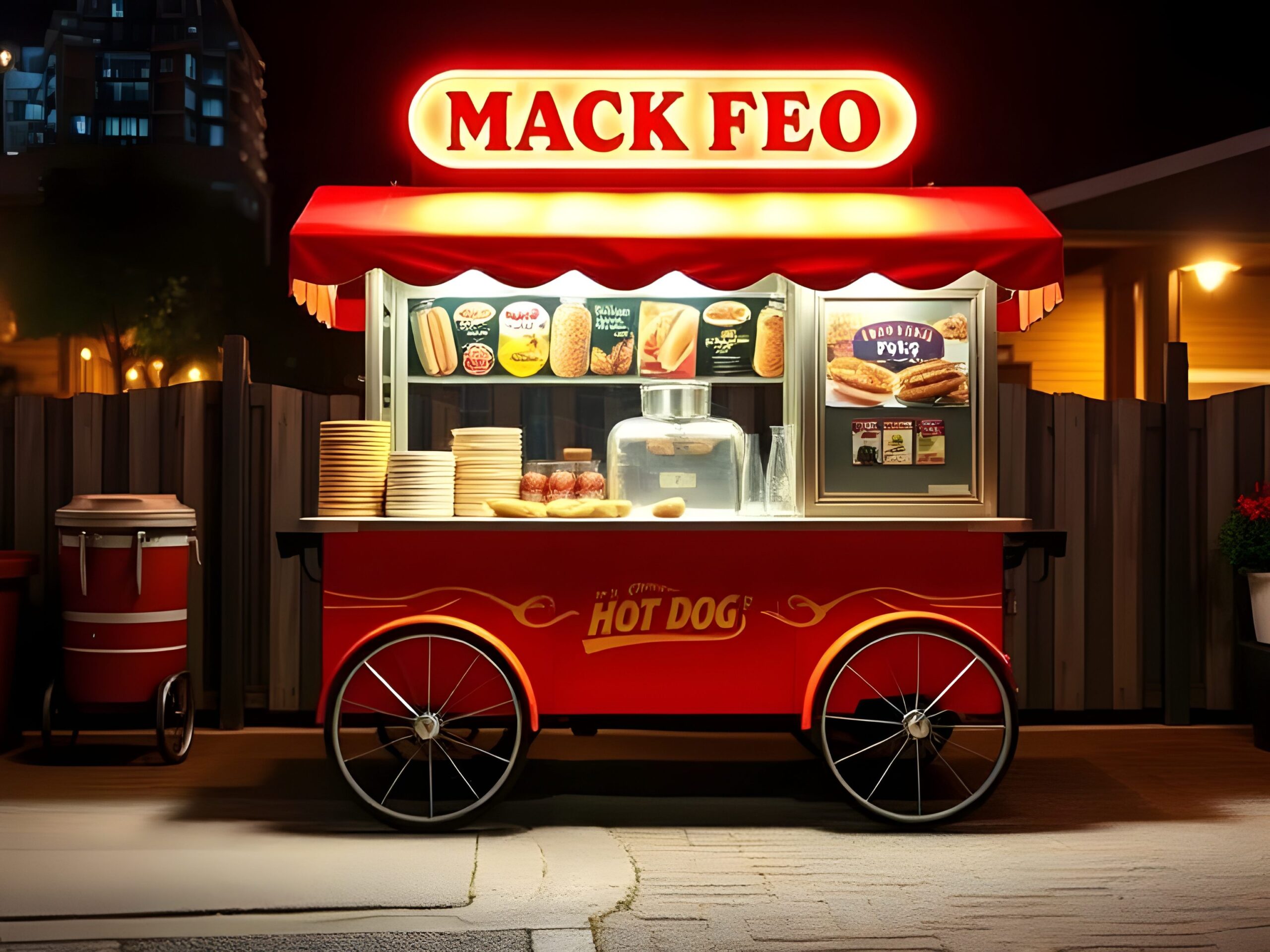
If you’re thinking of entering the food business without the overhead costs of a restaurant, a hot dog cart may be the perfect venture for you. With low startup costs, high flexibility, and the allure of high demand, a hot dog cart can become a profitable and sustainable business.
However, success requires more than a good product and a busy location. It requires a strategic approach, efficiency, and a focus on customer satisfaction. This blog examines how to optimize profits in the hot dog cart business, covering everything from location selection to operational efficiency and effective financial management strategies.
Key Factors Influencing Profitability
Several factors impact the success and profitability of a hot dog cart business. Below are the most important ones to consider.
Low Startup Costs
Unlike traditional restaurants, hot dog carts are affordable to launch. Without brick-and-mortar infrastructure, you can save on rent and utilities. Most carts cost between $2,000 and $10,000 upfront, making this an accessible option for aspiring entrepreneurs.
High-Profit Margins
Hot dog carts typically achieve profit margins of 50% to 70%. This is due to low food costs for hot dogs, buns, and condiments, combined with the ability to up-sell items like drinks or chips.
Location Matters
The success of a hot dog cart heavily depends on being in the right location. High-traffic areas, such as downtown streets, parks, sports events, and festivals, can generate steady sales.
Efficient Operations and Inventory Management
Profitability depends on managing costs, avoiding food waste, and ensuring you have enough supplies to meet demand without overstocking.
Flexibility and Adaptability
Unlike restaurants, hot dog carts offer flexibility in operation. Vendors can pivot quickly to meet seasonal demands, adjust working hours, or even relocate to a more suitable location based on foot traffic.
Strategies to Maximize Profits
If you’ve mastered the basics, here are more advanced strategies to maximize your profits.
Menu Optimization
,,, sausages,,. A smaller, streamlined menu minimizes costs and improves service speed, allowing you to sell more in less time.
Premium Ingredients and Upselling
Offer high-quality ingredients, such as grass-fed beef or gourmet buns, to justify higher prices. Additionally, offer upsells through combos, such as adding drinks, chips, or specialty toppings for an extra charge.
Marketing and Branding
A strong brand identity, paired with local marketing efforts like social media and community collaborations, can make your cart stand out—Utilise social platforms to announce your location daily or special promotions.
Customer Service Excellence
Positive customer experiences drive repeat sales. Be friendly, ensure orders are accurate, and provide quick service. Incentivize loyalty with punch cards or discounts for returning customers.
Strategic Partnerships and Events
Get exposure by participating in community events, partnering with businesses, or collaborating with local breweries or entertainment venues. Special events often bring large crowds, offering significant sales opportunities.
Operational Efficiency
Efficiency is crucial for keeping costs low and maximizing profits.
Streamlining Operations
Refine your workflow for speed and consistency. Pre-preparing items like condiments and ensuring your cart is well-organized saves time during busy periods.
Inventory Management
Regularly check your stock and adjust orders based on sales patterns. Avoid overbuying perishables that could go to waste, but ensure you meet customer demand.
Cost Control Measures
Source supplies in bulk to save money, focus on energy-saving equipment and minimize waste wherever possible. Seek reliable suppliers to keep costs predictable.
Technology Integration
Leverage mobile payment systems like Square or PayPal to accommodate customer preferences. Utilize accounting or POS software to efficiently track sales and inventory.
Legal and Regulatory Compliance
Staying compliant with regulations is not just about avoiding fines but also building trust with your customers.
Permits and Licenses
Every city has specific requirements. Ensure you obtain the necessary permits to operate legally in public spaces or events.
Health and Safety Standards
Adhering to local health codes is critical. Regular cleaning, proper food storage, and maintaining ideal cooking temperatures are crucial for both safety and maintaining a good reputation.
Insurance Requirements
Liability insurance protects your business from legal action in case of accidents or foodborne illnesses. Some states also require proof of insurance as part of the permit approval process.
Financial Management
Good financial practices ensure long-term success.
Tracking Revenue and Expenses
Meticulously track all earnings and costs using bookkeeping software or spreadsheets. Regularly review your financial statements to identify trends and areas for improvement.
Pricing Strategies
Set competitive prices that reflect the quality of your offerings and align with local market conditions. Don’t be afraid to price premium items higher, adding perceived value with unique flavours or gourmet ingredients.
Managing Cash Flow
Maintain a cash reserve for emergencies or seasonal slowdowns—budget for recurring expenses like permits, supplies, and maintenance.
Investment and Growth
Reinvest a portion of your profits to grow your business. This could include upgrading equipment, expanding your menu, or investing in marketing efforts.
FAQs About Hot Dog Cart Businesses
What is the profit margin for a hot dog cart?
Hot dog carts can have profit margins of 50%-70%, depending on operating costs and pricing strategies.
How much does a hot dog cart owner make an hour?
On average, cart operators earn $20–$25 per hour, although this can vary depending on location and demand.
How many hot dogs does a hot dog cart sell in a day?
Depending on foot traffic, most carts sell between 100 and 300 hot dogs daily.
What is the average startup cost for a hot dog cart?
Startup costs range from $2,000 to $10,000, including the cart, equipment, and necessary permits.
Do I need insurance for my hot dog cart?
Yes, liability insurance is essential to protect against risks such as accidents or food-related illnesses.
Can I put my hot dog cart anywhere?
No, you’ll need permission for high-traffic areas. Check local regulations and obtain the necessary permits to operate legally.
Thriving in the Hot Dog Cart Business
Operating a hot dog cart may look simple, but it’s a dynamic and highly profitable business opportunity when approached strategically. By focusing on efficient operations, strategic locations, exceptional customer service, and proactive financial management, you can build a thriving hot dog cart business.
Remember, adaptability, attention to detail, and a customer-first mindset are key to your success. With determination and the right strategies, your hot dog cart can become a beloved local staple and a highly lucrative venture!