Basement underpinning is a revolutionary building method that reinforces a house’s foundation and, in most situations, produces extra living space. As a homeowner, you may ask when basement underpinning is appropriate for your home. Whether you are seeing cracks in your walls, preparing to renovate, or looking for a way to enhance the value of your house, knowing the situations that require basement underpinning is crucial. This article will highlight the key signs, benefits, and considerations for deciding when to invest in basement underpinning, ensuring your home remains safe and functional for years to come.
Signs Your Home Needs Basement Underpinning
One of the main reasons to seek basement underpinning is to repair structural damage. Below are important signs that your house needs this process:
1. Visible Foundation Cracks
Basement cracks in the walls or floors are usually a sign of foundation issues. Hairline cracks can be expected in older houses, but cracked floors larger than 1/4 inch or diagonal cracks are signs of foundation settling or movement. Basement underpinning helps to stabilize the foundation to stop further damage and provide long-term structural support.
2. Sloping or Uneven Floors
If you see that your floors slope or are uneven, it may mean that the foundation is sinking unevenly. This tends to be caused by movement in the soil under the home that gradually loosens the foundation. Underpinning the basement fixes this by extending and strengthening the foundation to make it stable again.
3. Sticking Doors and Windows
Doors or windows that stick or are difficult to open and close can indicate foundation movement. As the foundation shifts, it can cause the home’s frame to warp, leading to misaligned doors and windows. If you’re experiencing this issue, a structural engineer can assess whether basement underpinning is necessary.
4. Water Seepage or Flooding
Recurrent water seepage or flooding within your basement can be an indication of foundation problems, particularly if the soil near your house is unstable. Basement underpinning can assist by enhancing the capability of the foundation to bear soil pressure and water. Underpinning may also be combined with waterproofing solutions to prevent your basement from flooding.
5. Sinking or Settling Foundation
If sections of your house look like they are sinking or settling, it’s a definite indicator that the foundation is having difficulty carrying the weight of the structure. This usually occurs when there are inferior soil conditions or erosion. Basement underpinning gives a deeper and more stable foundation to avoid any further settling.
When to Use Basement Underpinning for Renovations?
Aside from structural reinforcement, basement underpinning also serves as a top option for homeowners wanting to redo or extend their living area. The following are situations wherein underpinning can improve your house:
1. Raising Basement Ceiling Height
Numerous older houses come with low basement ceilings, which render the area impractical for use as a living room. Basement underpinning provides contractors with the ability to drop the basement floor, adding more headroom. This can give a tight basement a new life as a usable area for a home office, gym, or rental space.
2. Providing Living Space
If you want to increase the square footage of your house but cannot go outward, basement underpinning is an option. By lowering the level of the basement and strengthening the foundation, you will be able to build a fully livable area. This is especially useful in the city, where lots are small, and going upward or outward is not possible.
3. Increasing Property Value
A completed basement with sufficient ceiling height and solid foundation can dramatically add to the market value of your home. Basement underpinning brings this about by correcting structural issues and making the space usable. Whether you are selling your house or merely want to enhance its usability, underpinning is an excellent investment.
4. Converting to a Rental Unit
For homeowners who want to earn rental income, basement underpinning can convert an unused basement into a legal rental space. Most municipalities have a minimum ceiling height requirement for living spaces, and underpinning addresses that while producing an appealing, habitable space.
Other Circumstances When Basement Underpinning Can Be Used
Aside from structural repairs and remodeling, there are other situations when basement underpinning can be used:
1. Soil Instability
Houses constructed on expansive or unsettled soils, like clay, can settle over time. Basement underpinning stabilizes the foundation by securing it to lower, more solid soil levels.
2. Nearby Construction
If there is new construction, like a neighbor’s house or business, occurring in the vicinity, the vibrations and soil disturbance can impact your foundation. Basement underpinning can proactively reinforce your home’s foundation to counteract these outside forces.
3. Historic or Older Houses
Older houses, especially those constructed prior to contemporary foundation codes, can have shallow or poor foundations. Basement underpinning can update these foundations, making them compliant with existing building codes and safety requirements.
Advantages of Basement Underpinning
Purchasing basement underpinning has a number of benefits that make it an attractive option:
- Improved Structural Strength: Underpinning stabilizes the foundation, minimizing the likelihood of future damage and expensive repairs.
- More Living Space: Lowering the basement floor adds useful square footage for living, storage, or renting.
- Increased Property Value: A strengthened foundation and added living area make your property more desirable to potential buyers.
- Long-Term Cost Savings: Treating foundation problems early on avoids more costly and invasive repairs later.
- Flexibility: Basement underpinning can be adapted to many purposes, from structural repair to the construction of new living areas.
The Basement Underpinning Process
Knowing the underlying process can assist you in deciding whether it’s appropriate for your house. Here’s a general overview:
- Assessment: A structural engineer inspects your foundation and soil to find the most effective way.
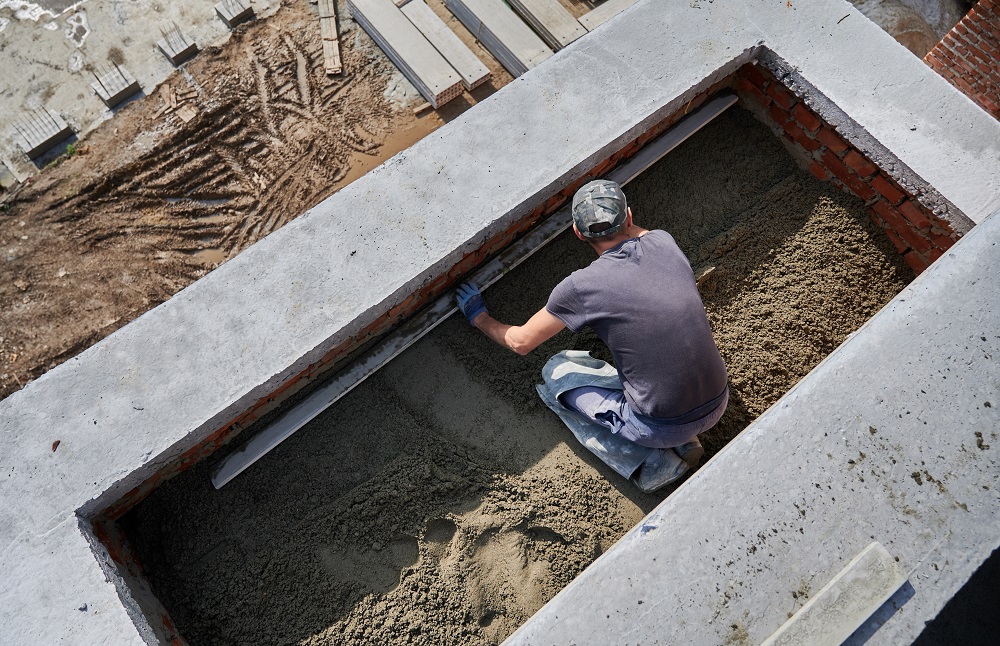
- Excavation: Contractors dig little sections underneath the foundation in a controlled fashion without destabilizing the house.
- Reinforcement: Fresh concrete is placed to form a deeper, more solid foundation.
- Finishing: After the underpinning is finished, other activities such as waterproofing or floor leveling can be done.
In a Nutshell!
Underpinning in the basement is a strong option for homeowners with foundation problems or wanting to tap into the full potential of their house. Whether you are working to heal cracks, settling, or low ceilings, basement underpinning provides both structural and functional rewards. By identifying the indicators that your house requires underpinning and knowing its benefits, you can make a well-educated choice regarding when to invest in this revolutionary method. Work with experienced professionals to ensure a safe and successful outcome, and enjoy the peace of mind that comes with a stronger, more functional home.