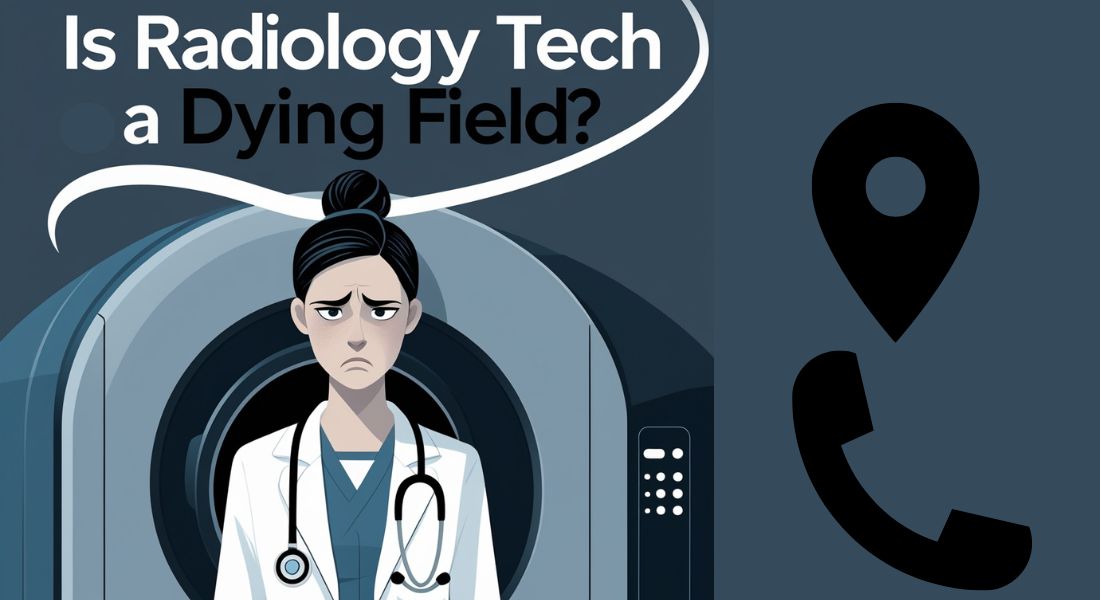
The healthcare industry is constantly evolving, shaped by rapid advancements in technology, shifting patient needs, and changing regulations. In this dynamic environment, many professionals—and those considering entering the field—wonder about the future of their roles. One question that arises more frequently is: “Is radiology tech a dying field?”
This article aims to explore the current state and future outlook of radiologic technology (or radiography), separating fact from fiction and helping you understand where the profession is headed.
Understanding the Role of a Radiologic Technologist
Radiologic technologists, or rad techs, are healthcare professionals trained to perform diagnostic imaging examinations, such as X-rays, CT scans, and MRIs. They play a crucial role in patient care, working closely with radiologists and other healthcare providers to help diagnose diseases, monitor treatment, and guide medical decisions.
Their job requires a mix of technical skill, medical knowledge, and patient communication—making them essential team members in hospitals, imaging centers, and clinics.
Why the “Dying Field” Myth Exists
Several factors contribute to the misconception that radiology technology is becoming obsolete:
1. Advancements in AI and Automation
With the rise of artificial intelligence, especially in diagnostic imaging, some believe that machines may soon replace radiologic technologists. AI tools are already being used to assist in image analysis, detect anomalies, and prioritize critical cases.
2. Healthcare Budget Cuts and Staffing Challenges
In some areas, hospitals face staffing limitations or budget restrictions, leading to reduced hiring or overworked departments. This may give the impression that the field is shrinking.
3. Confusion with Radiologists
Some confusion arises between radiologic technologists (who perform imaging procedures) and radiologists (physicians who interpret images). The increasing use of AI in interpretation has led some to believe the entire radiology field is in decline, even though these are distinct roles.
The Reality: A Field That Is Evolving, Not Dying
Contrary to the doomsday predictions, radiologic technology is not a dying field—it’s an evolving one. Let’s break down why:
1. Growing Demand for Diagnostic Imaging
As the global population ages and chronic diseases rise, the demand for diagnostic imaging continues to increase. Conditions such as cancer, cardiovascular disease, and arthritis all require regular imaging for diagnosis and management.
According to the U.S. Bureau of Labor Statistics (BLS), employment of radiologic technologists is projected to grow around 6% from 2022 to 2032, about as fast as the average for all occupations.
2. Human Interaction Can’t Be Replaced
While AI can analyze data, it cannot replace the human element of the radiologic technologist’s job. Positioning patients, ensuring safety, handling emergencies, and communicating effectively all require real-time human judgment and empathy—skills that machines lack.
3. Opportunities for Specialization
Radiologic technologists can expand their roles by specializing in advanced modalities such as:
-
Computed Tomography (CT)
-
Magnetic Resonance Imaging (MRI)
-
Mammography
-
Interventional Radiology
-
Cardiovascular Imaging
These specialties often come with increased demand, higher pay, and more diverse job opportunities.
4. Integration with Emerging Technology
Instead of replacing technologists, technology is enhancing their roles. Modern equipment is faster, safer, and more precise, allowing rad techs to perform more efficient scans and improve patient outcomes.
Training programs are also adapting, teaching students how to work alongside AI and advanced imaging software rather than fear it.
Challenges Facing the Field
That said, like any profession, radiologic technology isn’t without its challenges:
-
Workforce burnout: Staffing shortages in some regions can lead to heavier workloads.
-
Regulatory changes: Shifting healthcare laws may impact reimbursement rates and equipment usage.
-
Continuing education: Technologists must keep up with certifications and training to stay competitive.
Still, these challenges are more reflective of the healthcare system as a whole—not a sign that the field is vanishing.
Future Outlook: A Career with Longevity
Radiology tech is far from a dying field—it’s a career that offers stability, growth, and advancement for those willing to adapt and upskill. Healthcare systems will always need skilled professionals who can operate complex machines, ensure patient safety, and bridge the gap between technology and care.
As medical imaging continues to expand into outpatient and mobile settings, more opportunities will arise in telemedicine, urgent care centers, research, and private imaging labs.
Is It Still Worth Becoming a Radiologic Technologist?
If you’re considering entering the field, here are some key benefits to think about:
-
Strong job outlook and demand
-
Quick entry via 2-year associate degree programs
-
Good median salary (around $67,000/year in the U.S.)
-
Opportunities for growth and specialization
-
High-impact, patient-centered work
With the right mindset and commitment to lifelong learning, radiology tech can be a rewarding and future-proof career.
Conclusion
The belief that radiologic technology is a dying field is rooted more in fear of automation than in fact. In reality, the profession is adapting to modern needs, integrating new tools, and expanding into new frontiers of medicine.
Radiologic technologists who embrace change, pursue certifications, and keep learning will not only remain relevant—they will be indispensable.
So no, radiology tech is not a dying field. It’s a field in motion, and its future is full of possibilities.