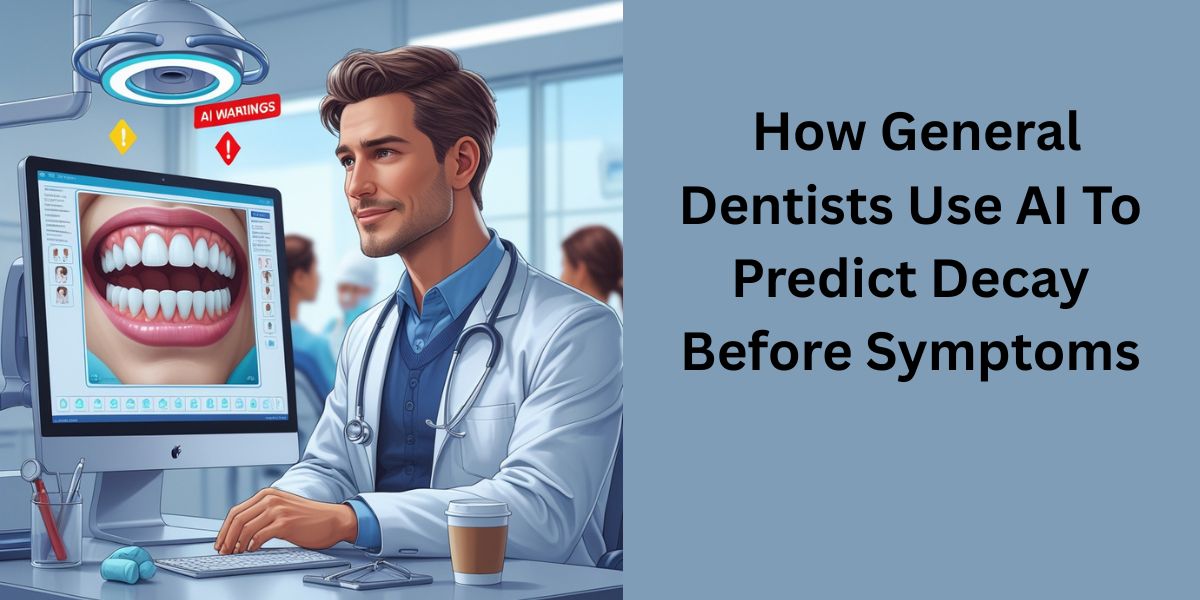
Imagine catching tooth decay before it even starts to hurt. General dentists, including your Brooklyn Heights dentist, are now using AI to predict cavities before you feel any discomfort. With AI, dentists analyze dental images instantly and spot decay even in its earliest stages. This technology draws from countless examples to refine its accuracy, ensuring you get the care you need on time. The process is straightforward. Dentists take images of your teeth as they typically do. Then, AI scans these images, pointing out areas of concern. You don’t have to wait for symptoms or pain. Instead, you can benefit from preventive care early on. This approach saves you time, money, and discomfort. By incorporating AI into routine check-ups, dentists enhance your experience and help protect your smile. You gain peace of mind knowing your dentist uses state-of-the-art technology to keep your smile healthy.
The Role of AI in Dentistry
AI in dentistry represents a shift towards proactive care. By analyzing vast datasets, AI identifies patterns and warns dentists about potential issues that eyes might miss. This tool doesn’t replace your dentist. Instead, it works alongside them, enhancing decision-making and offering a second pair of eyes without bias.
How AI Works
AI techniques, such as machine learning, are used to “train” programs using large datasets of dental images. The AI learns to recognize features that indicate tooth decay. As it processes more data, its predictions become more precise. The AI suggests areas where decay might develop before symptoms arise.
Benefits of AI in Dental Care
- Early detection of cavities leads to timely intervention.
- Reduces costs associated with advanced dental procedures.
- Minimizes the need for invasive treatments.
- Improves patient confidence and satisfaction.
Comparison of Traditional vs. AI-Assisted Detection
| Aspect | Traditional Detection | AI-Assisted Detection |
|---|---|---|
| Accuracy | Relies on visual inspection | Enhanced by data-driven insights |
| Time to Identify | May take several visits | Immediate analysis |
| Cost | Potentially higher with delayed treatment | Potentially lower due to early intervention |
| Patient Comfort | Delayed treatment may lead to discomfort | Prevents discomfort through early care |
Real-World Applications
Some dental practices already use AI to improve patient outcomes. Research by the National Institute of Dental and Craniofacial Research shows promising results in reducing cavity progression. AI is particularly effective in identifying hard-to-see decay between teeth or under fillings.
Addressing Concerns about AI in Dentistry
Some worry that AI might replace human jobs. However, in dentistry, AI acts as an aid, not a replacement. Dentists still make the final call, but now with enhanced information. AI tools require regular updates and maintenance to remain effective, ensuring ongoing involvement from dental professionals.
The Future of AI in Dental Health
AI continues to evolve, offering deeper insights and more precise predictions. As technology advances, AI might help in more areas of oral health, such as gum disease or oral cancer screening. Continued research and collaboration between dentists and technology experts are crucial for these developments.
Conclusion
AI in dental care offers a revolutionary approach to oral health, catching decay early and offering peace of mind. It provides accurate, timely, and cost-effective dental solutions. By choosing a dentist who uses AI technology, you prioritize the health of your smile and embrace the future of dental care.