Oral cancer screenings save lives. You shield yourself from danger by taking simple, proactive steps. Regular visits to a dentist in South Tulsa, OK, are more than about clean teeth. They involve attentive screenings that catch early signs of oral cancer. This early detection is crucial. Oral cancer can go unnoticed until it is severe. Screenings are key to identifying it quickly. You may not notice a spot, sore, or lump, but your dentist will. This allows for timely treatment. Treatment is easier and more effective in early stages. You can avoid pain, extensive procedures, and severe outcomes. You deserve peace of mind. Screenings provide that and show vital trends in your dental health. Protect your well-being and take charge of your health. You are not alone. Your dentist is your partner, standing with you. Embrace these screenings as a powerful tool in your health journey.
Why Oral Cancer Screenings Matter
Early detection plays a critical role in the fight against oral cancer. The American Cancer Society estimates that tens of thousands of new oral cancer cases are diagnosed each year. Most of these are found in people over 40. However, anyone can be affected. Recognizing this, you must engage in preventative care.
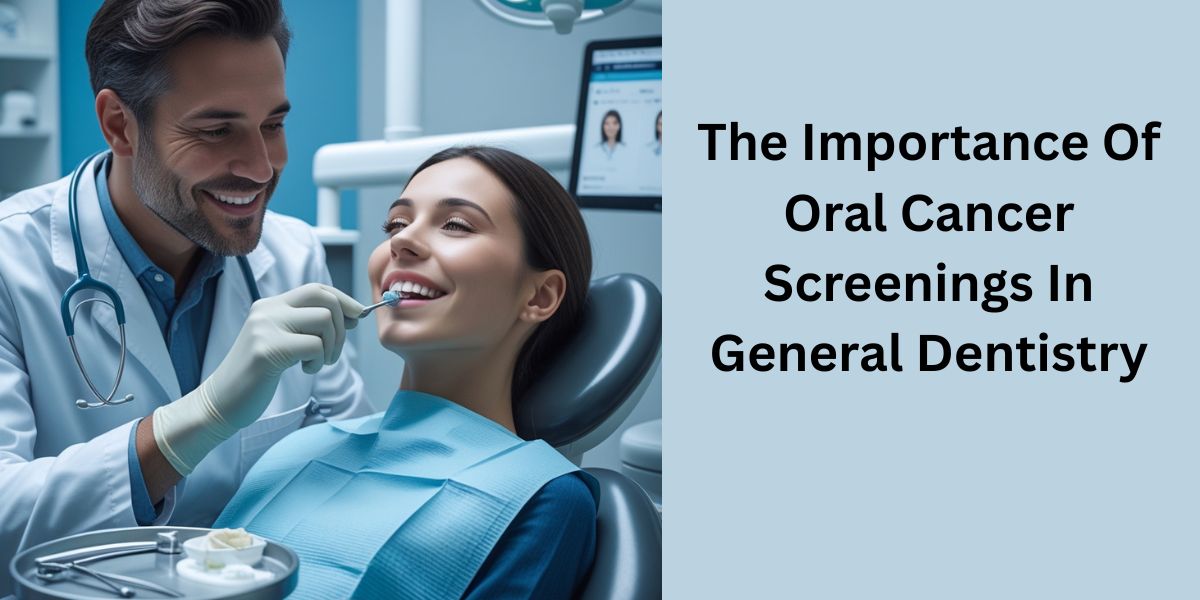
Oral cancer screenings are simple and swift. Your dentist will examine your mouth, checking for signs such as red or white patches, sores, or lumps. This thorough examination ensures that any potential issues are caught before they become serious.
Benefits of Early Detection
Early detection significantly increases treatment success rates. The National Institute of Dental and Craniofacial Research states that when caught early, oral cancer survival rates are much higher. This underscores how critical regular dental visits are.
Consider these benefits of early detection:
- Higher treatment success
- Less invasive procedures
- Reduced healthcare costs
Each benefit highlights the importance of timely cancer screenings. You prevent problems by acting early.
Know the Risk Factors
Understanding risk factors is vital. Tobacco use, alcohol consumption, and excessive sun exposure increase oral cancer risk. Awareness of these factors empowers you to make healthier choices.
Here are some common risk factors:
- Smoking and tobacco use
- Heavy alcohol use
- History of significant sun exposure
- Human papillomavirus (HPV) infection
By knowing these risks, you can discuss them with your dentist. Together, you can create a targeted prevention plan.
What to Expect During a Screening
Understanding the screening process helps ease any anxiety. Your dentist will inspect your mouth thoroughly. This includes gums, tongue, and cheek inspection. They might use a special light to illuminate areas where cancerous cells are present. This light enhances visibility and accuracy.
Your dentist might ask about signs you’ve noticed, like persistent sores or unexplained bleeding. Open communication helps ensure a comprehensive examination.
Screening Frequency
Regular screenings are key. The American Dental Association recommends you visit your dentist twice a year. This routine should include an oral cancer screening. If you have risk factors, your dentist might suggest more frequent visits.
| Screening Frequency | Recommended Action |
|---|---|
| Twice a year | Standard for most individuals |
| More than twice a year | Advised for those with risk factors |
This table helps you understand what to expect regarding screening frequency. Consistent care is important for lasting health.
Proactive Steps You Can Take
While screenings are crucial, you can take steps at home to support your oral health. Regular brushing and flossing are foundational. Avoiding tobacco and limiting alcohol are also helpful strategies.
Additionally, a balanced diet rich in fruits and vegetables can reduce cancer risk. Protecting your lips with sunscreen when outdoors is a simple yet effective measure.
Finding a Supportive Dentist
Your relationship with your dentist is a partnership. A supportive dentist makes screenings comfortable and informative. If you’re looking for guidance, check resources like the Centers for Disease Control and Prevention (CDC) for reputable information.
Choosing a dentist you trust provides peace of mind. You deserve a dental team focused on your overall well-being.
In conclusion, oral cancer screenings are a potent tool in safeguarding your health. Regular check-ups empower you, allowing you to stay ahead of potential issues. With support from your dentist, you can confidently approach your health journey. Embrace screenings as a critical part of maintaining a healthy, vibrant life.