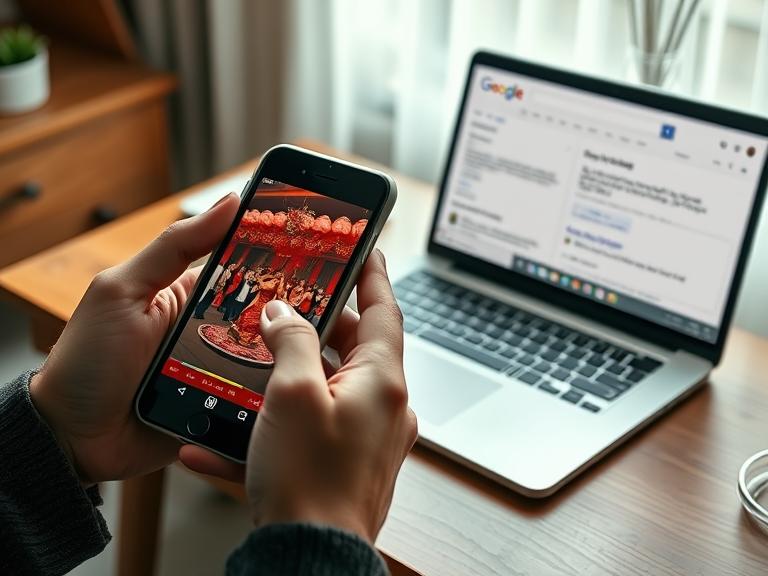
The global phenomenon of TikTok, known as Douyin (抖音) in China, is a treasure trove of unique and often mesmerizing content. From intricate dance routines and mind-bending visual effects to fascinating glimpses into daily life and innovative culinary trends, Chinese TikTok videos possess a distinct flavor that captivates a worldwide audience. It’s natural to stumble upon a video so compelling that your first instinct is to share it with your own followers. This leads to a critical question that millions of users grapple with: Can I repost Chinese TikTok videos?
The short answer is: It’s complicated, and usually, no, not without significant due diligence.
Reposting content from any creator, regardless of their country of origin, is a complex issue sitting at the intersection of copyright law, platform terms of service, and basic creator ethics. When you add the layer of a different digital ecosystem like China’s, the complexities multiply.
Understanding Copyright: It’s Automatic and International
The most crucial concept to grasp is that copyright protection is automatic. The moment a user creates an original video and fixes it in a tangible form (i.e., uploads it to Douyin), they hold the copyright to that work. This right is recognized internationally through treaties like the Berne Convention, which China and most Western countries are signatories to.
This means a creator in Shanghai has the same fundamental copyright protections for their video as a creator in Los Angeles. Reposting their work without permission constitutes copyright infringement, regardless of the geographical distance or the Great Firewall. The fact that you found it on the internet does not make it “public domain.”
The Unique Case of Douyin vs. TikTok
While TikTok and Douyin are owned by the same parent company, ByteDance, they operate as separate platforms with different databases, algorithms, and terms of service. They are effectively two different worlds.
-
Separate Platforms: You cannot natively “share” a Douyin video to the international TikTok platform, and vice-versa. This technical separation is the first clear indicator that cross-posting isn’t a built-in or encouraged feature.
-
Terms of Service: By using TikTok, you agree to its Terms of Service. These terms explicitly state that you grant TikTok a license to use your content, but this does not grant other users a license to take your content. Reposting someone else’s full video as your own likely violates TikTok’s policies against impersonation and spam.
The Ethical Imperative: Respecting the Creator
Beyond the legalities, there’s a core ethical principle: giving credit where credit is due. Many creators on Douyin are professionals or dedicated amateurs who invest time, skill, and resources into their content. Reposting their work without permission or attribution strips them of:
-
Attribution: They receive no recognition for their hard work.
-
Engagement: They lose out on likes, comments, and new followers that your repost generates.
-
Potential Revenue: For creators who monetize their content, your repost directly impacts their ability to earn a living from their craft.
Even if you add a caption like “Credit to the owner” or “DM for credit,” this is not permission. It’s a post-infringement gesture that still violates the creator’s rights and does nothing to compensate them for the initial unauthorized use.
So, Is It Ever Okay? The Path to Ethical Reposting
While the default position should be to avoid reposting, there are narrow, acceptable pathways if you are determined to share content from Douyin.
1. Obtain Explicit Permission:
This is the gold standard. If you can navigate Douyin (which may require a Chinese SIM card or VPN for full functionality), you can try to contact the creator directly via direct message. Clearly explain who you are, where you want to share their video (e.g., your TikTok account, Instagram page), and what you’ll use it for. Wait for a clear “yes” before you proceed. Be aware that language barriers can be a significant hurdle.
2. Use TikTok’s “Duet” or “Stitch” Features:
These built-in features are the safest and most platform-appropriate ways to interact with another creator’s content. They allow you to create your own original content that incorporates or reacts to the original video while maintaining a direct link and attribution to the source. This transforms your action from mere reposting to transformative engagement, which is far more respectful and often welcomed by creators.
3. Seek Out Content with Clear Licensing:
Some creators explicitly license their work for reuse through mechanisms like Creative Commons. However, this is exceedingly rare on closed platforms like Douyin/TikTok. Do not assume a video is free to use unless the creator has explicitly stated so in their bio or video caption.
4. Simply Share the Original:
The easiest and most ethical solution is often to not repost at all. Instead, download the official Douyin app, find the video, and use its built-in share function to send the direct link to your friends on other platforms like WhatsApp or Instagram. This drives traffic directly to the creator’s page.
The Risks of Reposting Without Permission
Ignoring these guidelines can lead to several negative consequences:
-
Copyright Strike: The original creator or ByteDance itself can issue a copyright strike against your account. Multiple strikes can lead to your account being permanently banned.
-
Content Removal: TikTok’s automated systems or moderators can identify and remove the reposted content.
-
Community Backlash: Online communities are increasingly savvy about calling out content theft. You could face significant criticism and damage to your own online reputation.
-
Legal Action: While rare for individual users, egregious cases of copyright infringement, especially for commercial gain, can potentially lead to legal disputes.
Conclusion: Appreciate, Don’t Appropriate
The incredible creativity on Douyin is meant to be appreciated and can be a fantastic source of inspiration. However, the desire to share should not come at the expense of the creator’s rights.
Instead of reposting, consider being a curator. Use your platform to talk about amazing creators you’ve found, discuss trends originating on Douyin, and encourage your audience to go follow the original artists. This approach builds a healthier, more respectful online ecosystem where creators are valued and supported for their work.
The next time you find an incredible Chinese TikTok video and your finger hovers over the download button, take a moment. Ask yourself: “Is this the right thing to do?” The answer will almost always lead you toward a more ethical and supportive way to share the content you love.
Informational FAQs
Q1: What if I can’t understand the language or create an account on Douyin to ask for permission?
A1: The inability to ask for permission does not grant you the right to use the content. If you cannot obtain permission, you should not repost the video. Your lack of access is not a legal or ethical loophole.
Q2: Is it okay if I repost the video but give full credit in the caption and tag the creator’s Douyin ID?
A2: While attribution is better than no attribution, it is still not a substitute for permission. You are still using their copyrighted work without authorization. The creator may not want their content shared on other platforms, regardless of credit.
Q3: I see huge accounts reposting content all the time. Why can they do it but I can’t?
A3: Many large accounts operate unethically or are banking on not being caught. Some may have permission or licensing agreements in place, but many do not. Their actions do not make it legal or right. Furthermore, larger accounts are often more visible targets for copyright claims.
Q4: What’s the difference between reposting and using the “Duet” feature?
A4: Reposting involves taking the original video and uploading it to your account as if it were your own. A “Duet” is a feature provided by TikTok that allows you to create a new, original video that plays alongside the original. The platform maintains the link to the source creator, and it is considered a transformative use that is built into the platform’s functionality.
Q5: Can I repost a video if I edit it heavily or add my own commentary?
A5: This ventures into the concept of “fair use,” which is a complex legal defense, not a right. Simply adding a filter or short clip of commentary is unlikely to qualify as transformative enough for fair use. The heart of the original work is still being used without permission. Relying on fair use is risky and should not be done without legal counsel.