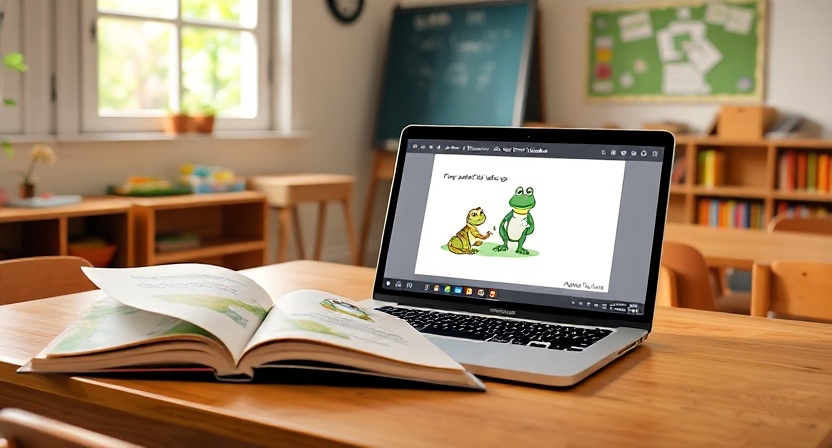
Toad And Frog Book PPT: The charming world of Arnold Lobel’s “Frog and Toad” series has been a cornerstone of children’s literature for over five decades. These beloved stories, chronicling the gentle adventures of two amphibian friends, are more than just delightful tales; they are powerful tools for early education. In today’s digital age, educators and parents are increasingly combining these classic books with modern technology, specifically through the creation of custom PowerPoint (PPT) presentations. This fusion of timeless narrative and interactive visual aid creates a dynamic learning experience that captivates young minds and fosters a genuine love for reading.
This article explores the educational value of the “Frog and Toad” books and provides a comprehensive guide on how to effectively transform these stories into engaging PowerPoint presentations for home or classroom use.
The Enduring Magic of the “Frog and Toad” Books
Before delving into the “how-to” of PowerPoint creation, it’s essential to understand why these books are such perfect candidates for this type of educational enhancement.
1. Relatable Characters and Universal Themes: Frog is optimistic, patient, and organized, while Toad is grumpy, anxious, and lovably stubborn. Their dynamic mirrors many real-life friendships, teaching children about patience, understanding differences, and the meaning of true companionship. Themes like patience (in “The Garden”), willpower (in “Cookies”), courage (in “Dragons and Giants”), and kindness are presented in simple, profound ways that resonate deeply with young children.
2. Rich yet Accessible Language: Lobel’s writing is a masterclass in early reader design. The vocabulary is challenging enough to build skills but repetitive and contextual enough to ensure comprehension. The sentence structure is clear, and the dialogue is plentiful, making it perfect for read-aloud sessions and for helping children understand conversational cues.
3. Strong Narrative Structure: Each chapter is a self-contained story with a clear beginning, middle, and end. This structure is ideal for breaking down into slides, as it allows an educator to focus on key plot points, sequencing, and story resolution.
Crafting the Perfect “Frog and Toad” Book PPT: A Step-by-Step Guide
Creating a PowerPoint presentation around a “Frog and Toad” story is not about simply copying text onto slides. The goal is to enhance the story, not replace the book. Here’s how to do it effectively.
Step 1: Choose Your Story and Define Your Objective
Select a single story, such as “Spring,” “The Story,” or “The Lost Button.” Determine your educational goal. Is it to:
-
Teach sequencing and story structure?
-
Introduce new vocabulary words?
-
Facilitate a discussion about the story’s moral?
-
Simply make the read-aloud session more engaging?
Your objective will guide every subsequent decision you make in your PPT.
Step 2: Storyboarding and Slide Planning
Sketch out your slides on paper first. A typical presentation might follow this structure:
-
Slide 1: Title Slide: Feature the book’s cover, the story’s title, and the author’s name.
-
Slide 2: Character Introduction: Introduce Frog and Toad with images and simple descriptions of their personalities.
-
Slides 3-8: The Story Sequence: This is the core of your PPT. Use 4-6 slides to break the story into its key events. Do not overcrowd slides with text. Use a single sentence or phrase and a powerful image to represent each major plot point.
-
Slide 9: Vocabulary Focus: Highlight 3-5 key words from the story (e.g., “willpower,” “melancholy,” “commotion”). Provide a child-friendly definition and an image clue.
-
Slide 10: Discussion Questions: Pose open-ended questions like, “Why was it hard for Toad to stop eating the cookies?” or “How did Frog prove he was a good friend?”
-
Slide 11: The Moral of the Story: Summarize the core lesson in a simple, clear statement.
Step 3: Sourcing Visuals and Design
-
Artwork: The best visuals are Lobel’s original illustrations. You can carefully use scanned images from the book for educational, non-commercial purposes under fair use guidelines. Ensure the images are clear and high-quality.
-
Original Art: Alternatively, use original drawings, licensed stock photos of frogs and toads in nature, or simple icon-based graphics. The visual style should be consistent throughout.
-
Design Tips: Use a clean, uncluttered background. Choose large, easy-to-read fonts. Use contrasting colors (e.g., dark text on a light background). Animations and transitions should be simple and used sparingly to highlight key points, not to distract from the story.
Step 4: Interactive and Extension Activities
Transform your PPT from a passive viewing experience into an interactive lesson.
-
Predictions: Add a slide that asks, “What do you think will happen next?” before revealing a key event.
-
Sound Effects: Incorporate simple sound effects during the read-aloud (e.g., a knocking sound when Toad knocks on Frog’s door).
-
Post-Reading Activities: Include slides that suggest follow-up activities: “Draw a picture of Toad’s dream,” “Write a letter from Frog to Toad,” or “Act out the scene with a partner.”
The Educational Impact: Why This Combination Works
The power of pairing the book with a PPT lies in its ability to cater to diverse learning styles.
-
Visual Learners benefit immensely from the illustrations and graphic organizers on the screen.
-
Auditory Learners engage with the teacher’s narration and any sound effects.
-
Read/Write Learners appreciate the key words and phrases displayed textually.
-
Kinesthetic Learners can be engaged through activities prompted by the PPT, like acting or drawing.
This multimodal approach ensures that every child in the room can access, understand, and connect with the story on a deeper level. It transforms a solitary reading activity into a shared, communal, and highly engaging educational event.
Informational FAQs
Q1: Where can I find pre-made “Frog and Toad” PowerPoint presentations?
A: Many educational resource websites like Teachers Pay Teachers have user-created PPTs. However, always review them carefully to ensure they align with your teaching goals and respect copyright. The most educationally valuable PPT is often one you create yourself tailored to your specific audience.
Q2: Is it legal to use images from the “Frog and Toad” books in my PPT?
A: Under the “fair use” doctrine of copyright law, using limited, low-resolution images for non-commercial, educational purposes in a classroom setting is generally acceptable. However, distributing that PPT publicly online or using it for a commercial workshop would likely infringe on copyright. When in doubt, create your own visuals or use licensed stock imagery.
Q3: What age group is this “book and PPT” approach most suitable for?
A: This approach is ideal for children in Kindergarten through 3rd grade (approximately ages 5-8). The books are officially designated as “I Can Read” Level 2, perfect for readers who are developing confidence and fluency.
Q4: Can I use this method for other children’s books?
A: Absolutely! The “book and PPT” model is highly effective for many picture books and early chapter books with strong narratives and clear themes, such as those by Kevin Henkes, Mo Willems, or Eric Carle.
Q5: What are the key technical skills needed to make a good PPT?
A: You only need basic proficiency with Microsoft PowerPoint, Google Slides, or a similar program. Knowing how to insert images and text boxes, change fonts, and use simple slide transitions is more than enough. The focus should be on pedagogy, not complex animation.