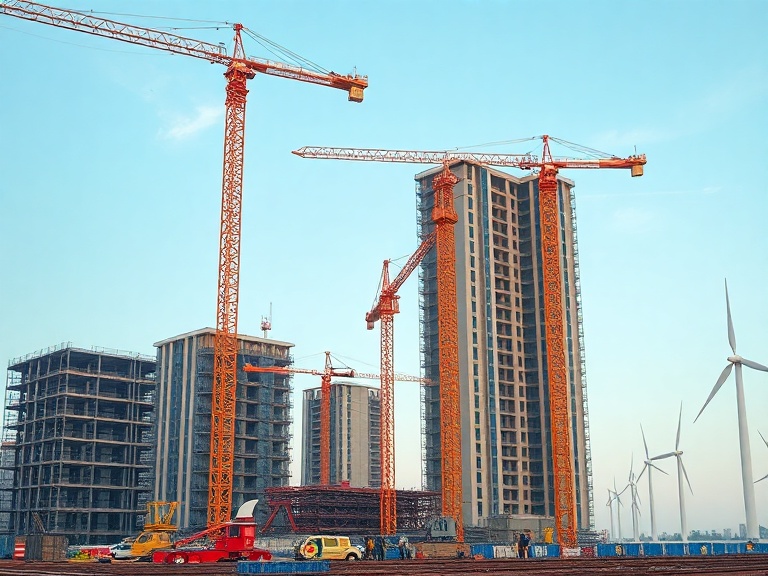
Urban growth, infrastructure expansion, and population increases bring about the need for carefully managed development projects. In many regions, some developments are considered more important than others because of their scale, complexity, or potential impact. These large-scale projects are often referred to as State Significant Developments (SSD).
The concept of State Significant Development exists in countries like Australia, where the government recognizes that certain proposals require a higher level of assessment, oversight, and regulation. These projects may involve housing estates, mining operations, hospitals, educational institutions, or transport infrastructure that directly shape the social, environmental, and economic landscape of a state.
This article will explore what State Significant Development means, why it matters, how the approval process works, and the key issues associated with it.
What Is State Significant Development?
State Significant Development (SSD) refers to projects that are so large, complex, or impactful that they cannot be assessed under normal local planning systems. Instead, they fall under the direct jurisdiction of the state government or a designated planning authority.
Such developments typically include:
-
Major transport projects (railways, highways, ports, or airports)
-
Energy infrastructure (power stations, renewable energy farms, pipelines)
-
Educational and health facilities (large universities, hospitals, research centers)
-
Mining and resource projects
-
Industrial estates or significant housing projects
-
Tourism and cultural projects of statewide importance
The goal of classifying a project as SSD is to ensure that its broader implications are carefully assessed and that the decision-making process considers the needs of the entire state rather than just a local community.
Why Is State Significant Development Important?
-
Economic Growth
SSD projects are often linked to economic expansion. For example, building new ports or energy plants can attract investment, create jobs, and enhance the state’s competitiveness. -
Infrastructure and Public Services
Many SSD projects focus on providing essential services such as hospitals, transport networks, and schools. These developments directly improve the quality of life for residents. -
Environmental Oversight
Large developments may pose risks to ecosystems. By elevating them to SSD status, authorities can impose stricter environmental assessments and safeguards. -
Community Impact
SSD projects often influence entire regions rather than individual neighborhoods. The broader community has a vested interest in ensuring such projects are sustainable and beneficial.
The Approval Process for State Significant Development
The process of assessing and approving SSD projects varies across jurisdictions, but the general framework usually involves the following stages:
-
Application Submission
The project developer submits a detailed proposal to the state planning authority. This includes project objectives, design, environmental considerations, and economic justification. -
Assessment Requirements
Authorities issue guidelines that outline what studies and assessments must be undertaken. These might include environmental impact statements, traffic studies, heritage assessments, and social impact studies. -
Community Consultation
One of the most important stages is public consultation. Residents, advocacy groups, and other stakeholders are invited to provide feedback. Their input helps identify potential problems and concerns. -
Environmental Impact Statement (EIS)
A comprehensive EIS is often mandatory for SSD projects. This document assesses the likely environmental, social, and economic effects of the development. -
Review and Recommendation
Planning authorities review the proposal, supporting documents, and public submissions. They then prepare a recommendation report for decision-makers. -
Decision Making
The final decision is typically made by the state government or a minister responsible for planning. They may approve, reject, or request modifications to the project. -
Conditions of Approval
If approved, the project is usually subject to strict conditions. These conditions ensure compliance with environmental standards, community safety, and sustainable development practices.
Examples of State Significant Development Projects
While the specifics vary depending on the jurisdiction, here are some real-world examples of what might be classified as SSD:
-
Construction of a major university campus that serves thousands of students.
-
Development of a hospital with state-of-the-art facilities catering to a wide region.
-
Establishment of a large-scale wind or solar farm.
-
Expansion of mining operations that significantly contribute to the state’s economy.
-
Building new highways or metro lines that connect major cities.
These examples highlight the diversity of projects that fall under the SSD category and their potential to transform communities and regions.
Key Issues and Challenges in State Significant Development
-
Balancing Growth and Sustainability
Governments must strike a balance between economic growth and environmental protection. A poorly managed SSD could lead to pollution, habitat destruction, or unsustainable urban sprawl. -
Community Opposition
Local communities sometimes oppose SSD projects due to concerns over noise, traffic, cultural heritage, or displacement. Effective consultation is crucial to address these concerns. -
Regulatory Complexity
The SSD approval process is often complex, involving multiple agencies, technical assessments, and lengthy timeframes. This complexity can delay projects. -
Equity and Inclusion
Large-scale projects must ensure that benefits are shared equitably. For instance, a new transport line should serve diverse populations rather than only affluent communities.
The Future of State Significant Development
As global challenges such as climate change, urbanization, and technological advancement evolve, the role of SSD will continue to grow. Future projects may increasingly focus on:
-
Renewable Energy: Large-scale solar, wind, and hydro projects will likely dominate the SSD landscape.
-
Smart Cities: Integrating technology and sustainability into urban development.
-
Resilience Projects: Infrastructure designed to withstand climate-related risks such as floods, heatwaves, and bushfires.
-
Inclusive Growth: Ensuring that marginalized communities benefit from large-scale developments.
Governments are also embracing digital tools for public consultation and impact assessment, making the SSD process more transparent and accessible.
Conclusion
State Significant Development is a vital mechanism for managing large projects that shape the economic, social, and environmental future of a state. By recognizing the broader impacts of these developments, governments can ensure that decisions align with long-term goals for sustainability, prosperity, and community well-being.
Understanding SSD helps citizens, policymakers, and businesses navigate the challenges and opportunities of major development projects. As societies face growing pressures from urbanization, climate change, and resource demands, the role of SSD will remain central to shaping our future.
FAQs About State Significant Development
Q1. What types of projects are usually considered State Significant Development?
Projects such as hospitals, highways, universities, energy facilities, and major housing developments often fall into the SSD category.
Q2. How does State Significant Development differ from local development projects?
Unlike local projects, SSDs are assessed and approved by state-level authorities because of their wider impact and complexity.
Q3. Can the community have a say in SSD projects?
Yes. Public consultation is a core part of the process, allowing individuals and groups to raise concerns and provide input.
Q4. Why is environmental assessment important in SSD?
Because SSD projects are large-scale, they often have significant environmental impacts. Environmental Impact Statements ensure these risks are identified and managed.
Q5. Are State Significant Developments always approved?
No. Some proposals are modified or rejected if they fail to meet environmental, social, or economic standards.