There are few modern inconveniences as universally frustrating as low water pressure. That weak, pathetic trickle from a showerhead that fails to rinse shampoo from your hair. The agonizingly slow fill of a pasta pot at the kitchen sink while everyone is hungry. It transforms simple, daily tasks into exercises in patience, slowly eroding your peace of mind. While it might be tempting to ignore the problem or seek a quick DIY fix, understanding the root cause is crucial. Often, resolving low water pressure requires the diagnostic skills and expertise of a professional plumber for low water pressure.
This comprehensive guide will walk you through the common causes of low water pressure, the simple checks you can perform yourself, and the clear signs that it’s time to pick up the phone and call a licensed professional.
First Steps: The Homeowner’s Initial Investigation
Before you call a plumber, there are a few preliminary checks you can conduct. These can sometimes identify a simple issue, saving you time and money.
-
Identify the Scope: Is the low pressure affecting your entire house or just one specific fixture? If it’s isolated to a single sink, shower, or faucet, the problem is likely local to that fixture. If every water source in your home is weak, the issue is systemic and points to a larger problem within your plumbing system or the main water supply.
-
Check the Main Water Valve: Locate your main water shut-off valve. It’s often found in the basement, garage, or near your water meter. Ensure it is fully open. Sometimes, valves can be accidentally partially closed after work is done elsewhere in the home, restricting the full flow of water.
-
Examine Fixture Aerators and Showerheads: For single-fixture issues, mineral deposits (like calcium and lime) are the prime suspect. Sediment and debris can clog the small screens inside faucet aerators and showerheads. Unscrew the aerator from the end of the faucet or the showerhead from its arm. Soak it in a vinegar solution to dissolve the buildup, scrub it clean with an old toothbrush, and reattach it. This often restores pressure immediately.
When the Problem is Bigger: Systemic Causes of Low Water Pressure
If your initial checks don’t solve the problem, the cause is more complex. This is where the knowledge of a plumber for low water pressure becomes invaluable. They are trained to diagnose and repair issues that are not visible to the untrained eye.
Common systemic causes include:
-
Corroded Plumbing: In older homes with galvanized steel pipes, the interior of the pipes can corrode and rust over decades. This corrosion significantly narrows the pipe’s diameter, restricting water flow and inevitably leading to low pressure throughout the house. This is a serious issue that often requires repiping—replacing the old pipes with modern copper or PEX piping.
-
Faulty Pressure Regulator: Many homes have a pressure-regulating valve (PRV) installed where the main water line enters the house. Its job is to reduce the high pressure from the municipal supply to a safe level for your home’s plumbing (typically between 45- 60 psi). If this valve fails, it can cause pressure to drop too low or, conversely, spike dangerously high. Diagnosing and replacing a PRV is a job for a professional plumber.
-
Hidden Leaks: A leak in your main water line or behind walls is a silent culprit. Water is escaping before it ever reaches your fixtures, stealing your pressure and potentially causing severe water damage and mold growth. A sudden, unexplained drop in pressure coupled with a higher-than-normal water bill is a major red flag for a leak.
-
Clogged Water Lines: While less common than clogged drains, the actual water supply lines can become obstructed. This can happen if sediment from the municipal supply breaks free and gets lodged in your pipes, or if there is a collapse in an older pipe.
-
Municipal Water Supply Issues: Occasionally, the problem isn’t on your property. Your local water authority might be working on lines, dealing with a main break, or have increased demand that temporarily lowers pressure. It’s worth checking with your neighbors to see if they are experiencing the same issue. If they are, the problem is likely with the city supply.
Why You Need a Professional Plumber for Low Water Pressure
You might find blog posts suggesting you adjust your pressure regulator yourself or try to clean your pipes with harsh chemicals. These are often ill-advised and can lead to costly mistakes.
A licensed plumber for low water pressure brings essential tools and expertise to the table:
-
Accurate Diagnosis: They don’t guess. They use specialized tools like pressure gauges to measure your water pressure accurately at various points in the system. This data is the first clue to pinpointing the problem.
-
Advanced Leak Detection: Plumbers use acoustic listening devices, thermal imaging cameras, and other non-invasive technology to find hidden leaks without tearing down your walls or digging up your yard unnecessarily.
-
Proper Repairs and Replacements: Whether it’s replacing a faulty PRV, repiping a section of your home, or repairing a broken main line, a professional ensures the job is done correctly, safely, and up to local building codes. This protects your home’s value and your family’s safety.
-
Long-Term Solutions: A DIY fix might address a symptom but not the disease. A plumber identifies the root cause and fixes it, ensuring the problem doesn’t recur next month or next year.
What to Expect When the Plumber Arrives
When you hire a reputable plumber for low water pressure, they will typically follow a logical diagnostic process:
-
Consultation: They will ask detailed questions about when the problem started, which fixtures are affected, and any other symptoms you’ve noticed.
-
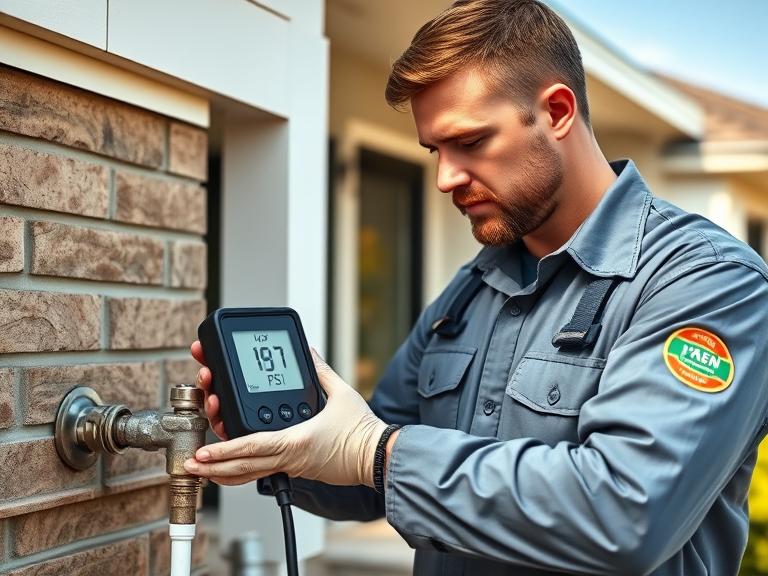
Pressure Test: They will attach a pressure gauge to an outdoor spigot or a laundry room faucet to get a baseline reading of your home’s water pressure.
-
Visual Inspection: They will inspect visible pipes, the water heater, the main shut-off valve, and the pressure regulator for obvious signs of damage, corrosion, or malfunction.
-
Methodical Testing: They may test pressure at different fixtures, check for leaks, or evaluate the flow rate to narrow down the location of the blockage or failure.
-
Explanation and Quote: A good plumber will clearly explain their findings, show you the evidence (e.g., “see this corrosion here?”), and provide a detailed quote for the necessary repairs before any work begins.
Investing in a professional diagnosis might have an upfront cost, but it pales in comparison to the cost of repeated DIY attempts or the extensive damage caused by an unresolved leak.
Frequently Asked Questions (FAQs)
Q1: What is considered normal water pressure for a home?
A: Ideal residential water pressure typically ranges between 45 and 60 pounds per square inch (psi). Pressure below 40 psi is generally considered low, while pressure above 80 psi can be harmful to your appliances and plumbing fixtures.
Q2: Can a faulty water heater cause low water pressure?
A: Yes, but usually only on the hot water side. If you have low pressure exclusively with hot water, the issue could be sediment buildup inside your water heater tank that is clogging the outlet, or there could be an issue with the water heater’s shut-off valve.
Q3: I have good pressure in some parts of my house but not others. What does this mean?
A: This is a classic sign of a problem within your home’s plumbing system, not the main supply. It could be due to corroded pipes affecting one branch of your system more than another, a partially closed isolation valve on a specific line, or a clog that is localized to a section of piping.
Q4: How much does it typically cost to hire a plumber for low water pressure?
A: Costs vary widely based on your location, the complexity of the problem, and the required fix. A simple diagnosis might cost a standard service fee. Repairs like replacing a pressure regulator may range from a few hundred dollars, while a full repiping project can cost several thousand. Always get a detailed estimate upfront.
Q5: Are there any temporary fixes I can try before the plumber arrives?
A: Beyond checking aerators and the main valve, there are no safe or recommended temporary fixes for systemic low water pressure. Attempting chemical drain cleaners in water supply lines can damage pipes and valves. It’s best to wait for a professional assessment.