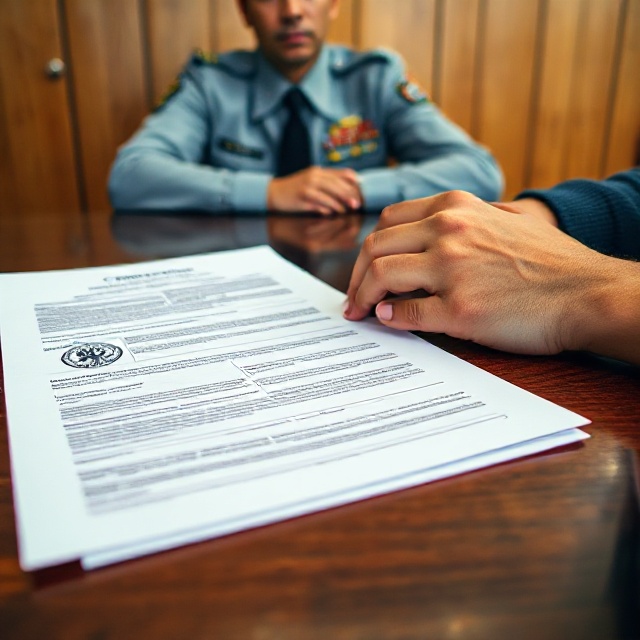
For many, joining the military represents more than just a career—it’s a chance to serve one’s country, gain invaluable skills, and build a foundation for the future. It is a institution built on core values like honor, integrity, and trust. It’s natural, then, to assume that a felony conviction, which represents a serious breach of societal laws, would be an automatic and permanent disqualifier. However, the reality is far more nuanced. The short answer to the question “Can you join the military with a felony?” is not a simple yes or no, but a highly conditional “It is exceptionally difficult, but not always impossible.”
The military’s primary mission is national defense, and its effectiveness hinges on the reliability and character of every individual within its ranks. Therefore, the enlistment process includes a rigorous background check, and any criminal history is scrutinized with immense care. Understanding the policies, the waiver process, and the factors that influence a decision is crucial for anyone with a felony record considering this path.
The Standard: Automatic Disqualifications and Moral Waivers
Each branch of the U.S. military—Army, Navy, Air Force, Marine Corps, and Space Force—has its own specific recruiting guidelines, but they all operate under the overarching standards set by the Department of Defense (DoD). A felony conviction is typically listed as a “moral disqualification,” which bars an individual from enlisting.
However, the military recognizes that people can change and that past mistakes should not necessarily define a person’s entire future. This is where the concept of a “moral waiver” comes into play. A moral waiver is a formal request for an exception to the standard enlistment rules based on a candidate’s criminal history. It is essentially a plea to the military to look at the whole person—the nature of the offense, the time that has passed, evidence of rehabilitation, and the individual’s current character—rather than just the criminal record.
The Deciding Factors: What the Military Considers
The granting of a moral waiver is not a right; it is a privilege extended only in specific circumstances. The decision is made by a high-ranking official within the recruiting command of the respective branch. Several critical factors weigh heavily in this decision:
-
The Severity and Nature of the Felony: This is the most important factor. Violent felonies, sexual offenses, major drug trafficking, and crimes involving terrorism or espionage are almost universally non-waivable. These crimes are seen as fundamental breaches of the trust required to bear arms and serve. Non-violent felonies, such as certain property crimes or financial offenses, may be considered for a waiver, though the bar remains very high.
-
Time Since the Conviction and Completion of Sentence: A single, non-violent felony conviction that occurred a decade ago, with a clean record since, stands a much better chance than a recent conviction. The military wants to see a significant period of demonstrated good conduct and rehabilitation since the individual completed their sentence, including any probation or parole.
-
Age at the Time of the Offense: A felony committed as a juvenile may be viewed more leniently than one committed as a legal adult, as the capacity for judgment is still developing. However, serious juvenile offenses are still heavily scrutinized.
-
Evidence of Rehabilitation: This is where the applicant must build their case. What have you done to turn your life around? This can include:
-
Steady employment history.
-
Educational achievements (GED, college courses, certifications).
-
Character references from employers, community leaders, or military members.
-
Volunteer work and community service.
-
A clean record post-conviction.
-
-
Current Military Needs: The propensity to grant waivers often fluctuates with the military’s recruitment goals. During periods of high demand for recruits (e.g., during a conflict or when unemployment is low), the military may be more inclined to approve waivers for qualified candidates. During times of downsizing or high recruitment, standards tighten, and waivers become far less common.
The Realistic Challenges and Process
Even if a waiver is theoretically possible, the journey is arduous.
-
Full Disclosure is Non-Negotiable: Attempting to hide a felony is the absolute worst course of action. All enlistment processing involves an in-depth background investigation (often culminating in a Top Secret security clearance for many roles). A hidden felony will be discovered and will result in an immediate and permanent ban from military service for fraudulent enlistment. Honesty, even about a negative past, is the first test of integrity.
-
The Waiver Process is Lengthy: Applying for a moral waiver adds months to the enlistment process. It requires gathering extensive documentation, including court records, probation completion papers, and personal statements. There is no guarantee of success, and the waiting period can be stressful.
-
Job Limitations: Even if a waiver is granted, it may limit the Military Occupational Specialties (MOS) for which the individual is eligible. Jobs requiring high-level security clearances, roles in law enforcement within the military (like MP), or roles handling sensitive finances are often off the table, regardless of a waiver.
A Note on Enlisting vs. Officer Commission
It is vital to distinguish between enlisting and becoming a commissioned officer. The standards for officer candidates, whether through service academies, ROTC, or Officer Candidate School (OCS), are significantly higher. A felony conviction is an almost insurmountable barrier to receiving an officer’s commission. The leadership and fiduciary responsibilities of an officer make the character and background standards exceptionally strict.
Conclusion: A Path of Exception, Not Rule
Joining the military with a felony is an uphill battle. It is an exception to the rule, reserved for a small subset of individuals with non-violent, older convictions who can provide overwhelming evidence of personal reform and present themselves as exemplary candidates in every other way (e.g., scoring high on the ASVAB, being physically fit).
For those considering this path, the first step is not to walk into a recruiting office, but to conduct honest self-reflection. Then, if you decide to proceed, be prepared to be completely transparent, patient, and resilient. The military values redemption, but it values the security and integrity of its force above all else. For the determined few who succeed, the waiver is not just a piece of paper; it is the first affirmation of their renewed commitment to a life of service and honor.
Informational FAQs
Q1: Does a felony automatically disqualify you from all military branches?
A: Yes, a felony is an automatic disqualifier under standard enlistment regulations for every branch—Army, Navy, Air Force, Marine Corps, and Space Force. However, each branch has the authority to grant moral waivers on a case-by-case basis.
Q2: What types of felonies are almost never waived?
A: Waivers are highly unlikely for violent crimes (murder, aggravated assault, robbery), sexual offenses, major drug trafficking, any crime involving terrorism or espionage, and felony domestic violence convictions (which also legally prohibit possessing firearms).
Q3: I had my felony expunged or sealed. Do I still have to report it?
A: Yes. For the purpose of enlisting in the U.S. military, you are required to disclose any and all offenses, even if they have been expunged, sealed, or your juvenile record was closed. The military enlistment process requires you to waive privacy rights to allow for a full background investigation, which will uncover sealed records.
Q4: How long should I wait after my conviction to try and enlist?
A: There is no formal waiting period, but a significant amount of time is crucial. Most successful waiver applicants have spent at least five to ten years post-conviction demonstrating a clean record and positive life progress. A recent felony is highly unlikely to be waived.
Q5: Who ultimately approves a moral waiver for a felony?
A: The authority rests high within the recruiting command of each specific branch. It is not a decision made by your local recruiter; they can only submit the request and supporting documentation. The approval must come from a higher authority, such a Lieutenant Colonel or a designated waiver approval board.
Q6: Can I join if I was convicted of a felony as a juvenile?
A: While juvenile records are treated with slightly more flexibility, a serious felony will still require a moral waiver. The same factors apply: the nature of the crime, the time since the offense, and evidence of rehabilitation.