In an era where information travels at the speed of light, the ability to receive accurate, timely, and actionable alerts is paramount to public safety. For residents and visitors of Rockingham County, Virginia, the primary tool for this critical communication is known as Rockingham Alert. This system is far more than a simple notification service; it is a vital lifeline, a community-wide network designed to protect lives and property by bridging the gap between emergency services and the public. This article delves into the purpose, functionality, and importance of the Rockingham Alert system, providing a clear understanding of how it serves as the community’s digital sentinel.
What Exactly is Rockingham Alert?
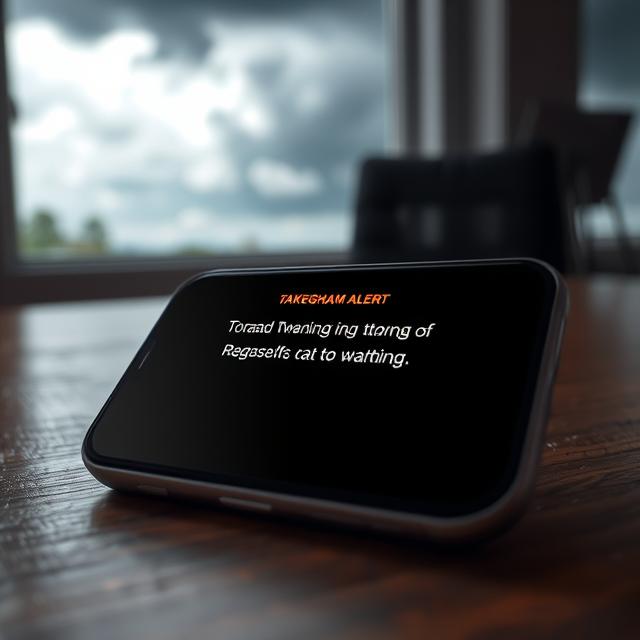
Rockingham Alert is an integrated mass notification system deployed by Rockingham County authorities. It is a high-speed communication service used to send emergency messages and critical public safety information to subscribed individuals via landline, mobile phone (voice calls and SMS text messages), email, and even through a dedicated mobile app.
The core philosophy behind such systems is simple: in a crisis, every second counts. Whether the threat is an impending severe thunderstorm, a hazardous materials spill, a missing person alert (like an AMBER or Silver Alert), an active law enforcement situation, or urgent evacuation orders, Rockingham Alert ensures that official instructions reach people directly, cutting through the noise of social media and standard news cycles.
How Does the Rockingham Alert System Work?
The technology powering Rockingham Alert is sophisticated yet user-centric. It operates on a multi-layered approach:
-
Geographic Targeting: Authorities can geographically target alerts to very specific areas affected by an incident. This prevents unnecessary alarm for those outside the danger zone while ensuring those in the direct path of danger are notified. For example, a boil water notice would only be sent to residents in the specific affected water district, not the entire county.
-
Multi-Channel Delivery: The system does not rely on a single method of communication. It simultaneously pushes alerts through:
-
SMS Text Messages: Short, concise, and immediate.
-
Voice Calls: To landlines and mobile phones, which can deliver more detailed verbal instructions.
-
Email: For longer-form updates and documentation.
-
Mobile App Push Notifications: For those who have downloaded the official app.
-
-
Initiation by Authorized Personnel: Alerts are not sent automatically. Only trained and authorized officials from key agencies—such as the Rockingham County Sheriff’s Office, the Harrisonburg-Rockingham Emergency Communication Center, Fire and Rescue, and the Department of Public Safety—have the credentials to initiate and disseminate messages. This ensures the information is verified, accurate, and official.
Why is Registering for Rockingham Alert Crucial?
While the system may automatically enroll listed landline numbers, the modern household often relies predominantly on mobile phones. Your mobile number and email address are NOT automatically enrolled. This is the most critical step for residents: proactive registration.
By taking a few minutes to register your contact information, you are directly choosing to have a direct line to official emergency information. This is especially important for:
-
People who have moved to the area recently.
-
Those who use mobile phones as their primary communication device.
-
Individuals who have unlisted phone numbers.
-
Parents who want to ensure they receive alerts about school closures or incidents.
-
Business owners who need to protect their property and employees.
Registration is typically free, confidential, and can be done online through the official Rockingham County government website. You can specify which types of alerts you wish to receive and provide multiple contact methods, ensuring redundancy if one method fails.
Different Types of Rockingham Alerts
Not all alerts are for life-threatening emergencies. The system is calibrated to send different tiers of notifications:
-
Emergency Alerts: These are the most critical messages involving imminent threats to life or property. Examples include tornado warnings, flash flood emergencies, evacuation orders, active shooter situations, or major chemical spills. These are typically sent with a high-priority tone and are impossible to ignore.
-
Public Safety Advisories: These are important but less immediate notifications. This category includes boil water notices, significant road closures due to accidents, missing person alerts, planned large-scale public safety training that might generate noise or activity, and winter weather preparedness reminders.
-
Community Information: Some non-emergency but vital community news may be disseminated through the system, such as major public meeting announcements or significant changes to county services.
Best Practices for Receiving an Alert
When you receive a Rockingham Alert, it’s important to stay calm and follow these steps:
-
Read or Listen Carefully: Pay close attention to the entire message. It will contain the nature of the emergency, the affected area, and the specific action you need to take (e.g., “Evacuate immediately,” “Shelter in place,” “Boil water before consumption”).
-
Do Not Call 911 for Clarification: Unless you are in immediate, life-threatening danger, do not call 911 to ask about the alert. The 911 lines must be kept clear for those experiencing actual emergencies. The alert message itself will contain the essential information you need.
-
Follow Official Instructions: Adhere to the guidance provided by the alert. If it says to avoid an area, do so. If it instructs you to shelter in place, know what that means and comply immediately.
-
Share the Information Responsibly: Inform neighbors, family, or coworkers who may not have received the alert, but be sure to share the official instructions accurately without adding speculation.
Conclusion: Your Personal Connection to Community Safety
Rockingham Alert represents a modern, efficient, and essential component of public safety infrastructure. It empowers residents by giving them the information they need to make smart decisions during critical moments. However, the system’s effectiveness is a partnership. Its reach is only as broad as its subscription base. By registering your contact information and understanding how the system works, you are not just receiving alerts; you are actively participating in a community-wide culture of preparedness and resilience. In Rockingham County, staying alert truly means staying safe.
Frequently Asked Questions (FAQs)
Q1: Is there a cost to sign up for Rockingham Alert?
A: No, the Rockingham Alert service is provided free of charge by Rockingham County as a public safety service. Standard message and data rates from your mobile carrier may apply for receiving texts and calls.
Q2: I registered my phone number. Will I receive spam messages?
A: Absolutely not. The system is used exclusively for official public safety and critical community notifications. Your contact information is secure and will not be sold or used for commercial marketing purposes.
Q3: What if I travel outside of Rockingham County? Will I still get alerts?
A: The system is geographically based. If an alert is issued for a specific area within Rockingham County and you are physically outside that area, you will not receive the alert. This is by design to avoid unnecessary notifications.
Q4: How do I update my information if my phone number or email changes?
A: It is the resident’s responsibility to keep their information current. You can log back into the registration portal on the Rockingham County website and edit your profile, adding new contacts or removing old ones.
Q5: Can I choose which types of alerts I receive?
A: Yes, during the registration process, you can often specify your preferences. For instance, you might choose to receive all emergency alerts but opt out of general community information notices. However, for the highest level of safety, receiving all alert types is recommended.
Q6: Does the system work if the power and cell service are down?
A: The system is robust and has redundancies, but it is not infallible. Widespread power and cellular outages can impact delivery. This is why it is recommended to have a battery-powered NOAA Weather Radio as a backup for severe weather warnings.