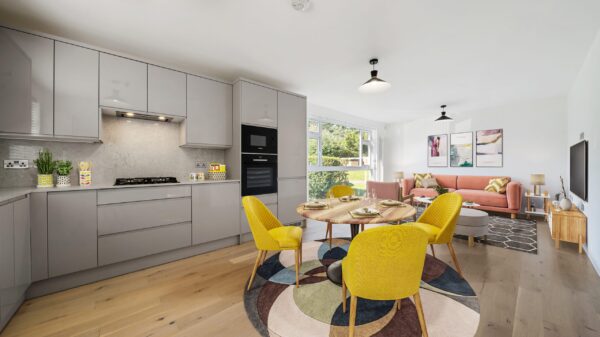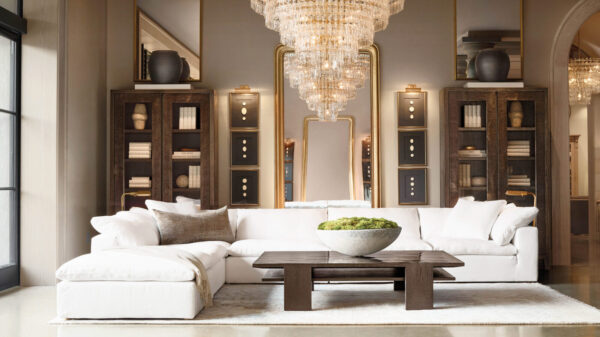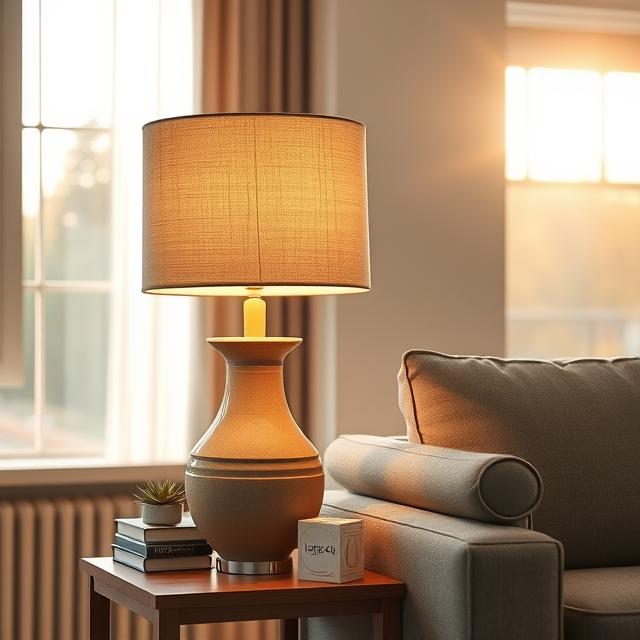
Lighting is the unsung hero of interior design. It has the profound ability to transform a room’s ambiance, influence our mood, and elevate the aesthetic of our living spaces from mundane to magnificent. While often considered a finishing touch, the right Lamps4u is a fundamental element that bridges the gap between function and art. For those embarking on the journey to find that perfect piece, whether browsing online retailers or specialty stores, understanding the core principles of lighting is key. This guide will illuminate the path to selecting the ideal lamp for any room in your home, focusing on style, function, and the subtle art of ambiance.
The Three Layers of Light: A Foundational Principle
Before diving into lamp styles, it’s crucial to understand the three primary types of lighting used in interior design. A well-lit room will often incorporate all three to create a balanced and inviting atmosphere.
-
Ambient Lighting: This is the general, overarching light in a room. It provides overall illumination and allows you to navigate a space safely. Think of it as the substitute for natural daylight. Common sources include ceiling fixtures, track lighting, and chandeliers. Floor lamps with upward-facing shades or torchiere designs are excellent for providing ambient light.
-
Task Lighting: As the name implies, this light is dedicated to a specific task. It is brighter and more focused, designed to prevent eye strain. Examples include a desk lamp for reading or working, a pendant light over a kitchen island for food prep, or a swing-arm lamp beside a bed for nighttime reading.
-
Accent Lighting: This is the dramatic, decorative layer. Accent lighting is used to highlight architectural features, artwork, collections, or plants. It creates visual interest and depth. Picture lights mounted above paintings, small directional spotlights, or even a well-placed table lamp can serve as accent lighting to draw the eye to a specific area.
The perfect lamp often fulfills one of these roles primarily but can contribute to another. For instance, a beautiful table lamp provides ambient light to a living room corner but can also act as an accent piece due to its design.
A Tour of Lamp Styles: Finding Your Aesthetic
The world of lamps is vast and varied, with styles to suit every taste and architectural period.
-
Modern & Contemporary: Characterized by clean lines, geometric shapes, and a minimalist ethos. Materials like polished chrome, glass, and sleek ceramics are common. Think of a simple arc floor lamp or a table lamp with a metallic, drum-shaped shade.
-
Traditional: Drawing from classic European designs, traditional lamps often feature intricate details. You might see crystal accents, empire or bell-shaped shades, rich fabrics like silk, and bases made of brass, bronze, or painted ceramic (like classic ginger jar designs).
-
Industrial: Inspired by warehouses and factories, this style embraces raw and unfinished elements. Look for lamps made from aged iron, copper piping, exposed Edison bulbs, and reclaimed materials. Cage metal shades are a hallmark of this look.
-
Rustic & Farmhouse: Evoking a sense of warmth and comfort, this style uses natural materials. Bases might be made of distressed wood, woven rope, or galvanized metal. The shades are often simple linen or burlap, contributing to a cozy, informal feel.
-
Transitional: This is the best of both worlds. Transitional style blends the clean lines of contemporary design with the comfortable, familiar feel of traditional pieces. A lamp with a simple silhouette but a classic neutral shade would fit perfectly into this category.
Choosing by Room: Function Meets Form
The room where a lamp will live should heavily influence your choice.
-
Living Room: This is a space for layered lighting. A large floor lamp can provide ambient light in a seating area. Pair it with a table lamp on an end table for a softer glow during conversations or movie nights. The style here often sets the tone for the entire room.
-
Bedroom: Lighting should be soft and relaxing. Bedside table lamps are non-negotiable for most, providing essential task light for reading. The height is critical—the bottom of the shade should be at eye level when you are sitting up in bed to avoid glare. Dimmable options are a fantastic choice for creating a wind-down routine.
-
Home Office: Task lighting is king. A high-quality adjustable desk lamp is essential to prevent eye strain. Look for lamps that offer flexible movement, a stable base, and a light source that reduces glare on computer screens. LED lamps with adjustable color temperature (from warm to cool white) are excellent for matching the light to the time of day and task at hand.
-
Dining Room: While the overhead chandelier or pendant is the star, buffet lamps or a statement console table lamp can add warmth and dimension to the room. They provide a soft glow during meals without competing with the central fixture.
-
Entryway: A lamp in an entryway makes a first impression. A statement table lamp on a console table or a slender floor lamp can make the space feel welcoming and established.
Beyond the Bulb: The Importance of Lampshades and Dimmers
The lamp itself is only part of the equation. The shade and how you control the light are equally important.
Lampshades filter and direct the light, and changing one can completely alter a lamp’s personality.
-
Shape: Drum shades offer a modern, open look. Empire shades (wider at the bottom) are classic and direct light downward. Square shades offer a contemporary edge.
-
Material: A white or cream linen or paper shade will emit the softest, most diffused light. A black or dark lining will direct light more sharply upward and downward, creating a more dramatic, intimate pool of light. Opaque shades contain light, while translucent ones glow.
Dimmer switches are arguably the most valuable upgrade you can make to any lamp. They allow you to adjust the light level to suit any activity or time of day, instantly transforming a task light into a soft ambient glow. Many modern lamps come with built-in dimming functionality, or you can easily install a plug-in dimmer switch between the lamp and the wall outlet.
Conclusion: The Final Glow
Choosing a lamp is an exercise in balancing practicality with personal expression. It’s about finding a piece that not only provides the right light for the task but also speaks to your style and enhances the feeling of your home. By understanding the layers of light, identifying the lamp’s primary purpose, and paying attention to details like scale, shade, and control, you can make an informed choice. The goal is to find illumination that feels less like a utility and more like a cherished part of your daily environment.
Informational FAQs
Q: What does “lumens” mean when shopping for light bulbs?
A: Lumens measure the total amount of visible light emitted by a bulb. The higher the lumen rating, the brighter the light. This has replaced wattage, which measures energy consumption, as the standard for gauging a bulb’s brightness.
Q: How do I determine the right size lamp for my end table?
A: A good rule of thumb is that the lamp should be proportionate to the table. The lamp’s height should be roughly 1.5 times the height of the table itself. Also, the lamp’s diameter should be less than the width of the table surface to avoid it looking top-heavy or unstable.
Q: What is the difference between warm white and cool white light?
A: Measured in Kelvins (K), light color temperature describes the appearance of the light. Warm white (2700K-3000K) has a soft, yellowish glow that is relaxing and inviting, ideal for living rooms and bedrooms. Cool white (3500K-4100K) has a brighter, more energetic white or bluish light that is better for task lighting in offices, kitchens, and garages.
Q: Can I use a floor lamp as my primary light source?
A: Yes, but it depends on the lamp and the room. A tall torchiere lamp that bounces light off the ceiling can provide excellent ambient light for a room. For larger spaces, you may need to supplement it with additional floor or table lamps to eliminate dark corners.
Q: How often should I dust my lamps and lampshades?
A: Dusting weekly with a soft, dry cloth (like microfiber) can prevent buildup. For deeper cleaning of fabric shades, using the low suction setting of a vacuum cleaner with a soft brush attachment is most effective. Always unplug the lamp before cleaning.