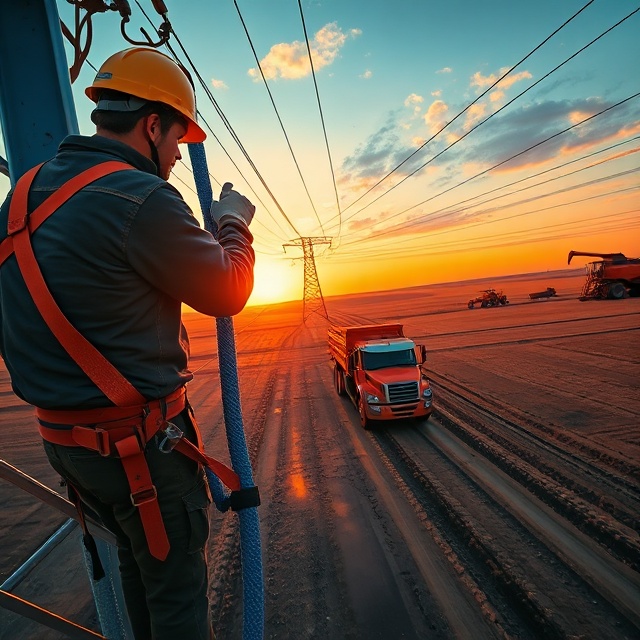
When we think about high-paying careers, our minds often jump to Silicon Valley tech giants, Wall Street financiers, or specialized medical professionals. Rarely do we consider the vast and vital sector known as “basic industries.” Yet, it is this very sector that forms the foundational bedrock of our modern society, extracting raw materials and turning them into essential products. From the lumber used to build our homes and the metal in our cars to the energy that powers our cities and the fertilizers that grow our food, basic industries are the unsung heroes of the global economy.
A natural and crucial question for anyone considering a career in this field is: what do basic industries jobs pay? The answer is not a simple single figure but a spectrum influenced by factors like specific industry, experience, location, and the level of risk and skill involved. This article will provide a comprehensive breakdown of compensation across key sectors within basic industries.
Defining Basic Industries
First, it’s important to define what we mean. Basic industries, also known as primary industries, are those concerned with the production or extraction of raw materials. Their output is often used by other industries to manufacture finished goods. The major categories include:
-
Agriculture, Fishing, and Forestry: The original basic industries, involving crop production, livestock, logging, and fishing.
-
Mining, Quarrying, and Oil & Gas Extraction: This involves extracting natural resources like coal, metals (copper, iron, gold), stone, and petroleum.
-
Utilities: The sector responsible for providing essential services like electric power, natural gas, and water.
Breaking Down the Pay: A Sector-by-Sector Analysis
Salaries in basic industries can range from entry-level wages to highly competitive six-figure incomes for skilled professionals. Here’s a closer look.
1. Agriculture, Fishing, and Forestry
This sector often has the widest pay range, from minimum wage for seasonal manual labor to substantial salaries for skilled operators and managers.
-
Agricultural Worker: These are the hands-on laborers who plant, maintain, and harvest crops. Pay is often hourly. According to data from the U.S. Bureau of Labor Statistics (BLS), the median annual wage for agricultural workers was approximately $29,680 in May 2022. This can be higher with overtime or for those with specialized skills like operating complex machinery.
-
Logging Worker: A physically demanding and hazardous job, logging involves cutting down trees and preparing them for transport. The BLS reports a median pay of around $46,990 per year. Experience and specialized equipment operation can push earnings higher.
-
Forestry & Conservation Manager: These are the professionals who oversee forest lands, manage conservation programs, and plan logging operations. This role requires a bachelor’s degree and offers a median pay of $64,420 annually.
2. Mining, Quarrying, and Oil & Gas Extraction
This is typically the highest-paying sector within basic industries, reflecting the remote locations, physical demands, and potential hazards of the work.
-
Construction Equipment Operator & Roustabout (Oil & Gas): Entry-level positions on a rig or mine site, such as roustabouts, who handle equipment and do general labor, have a median pay of around $38,170. Skilled equipment operators can earn significantly more.
-
Explosives Worker, Ordnance Handling Expert, and Blaster: These specialists use explosives to break up rock or set charges in mines and quarries. Due to the high level of skill and risk, the median pay is robust at $62,250 per year.
-
Rotary Drill Operator (Oil & Gas): These operators manage the machinery that drills wells for oil and gas. This is a skilled, critical role with a median annual wage of $61,180.
-
Mining & Geological Engineer: These engineers design mines and ensure the safe and efficient extraction of minerals. Requiring at least a bachelor’s degree, this is one of the top-paying jobs in the sector, with a median salary of $97,090.
3. Utilities
The utilities sector offers stable, often unionized, employment with strong benefits. Jobs range from field technicians to highly trained engineers.
-
Water/Wastewater Treatment Plant Operator: These operators manage the systems that treat water to make it safe for drinking and release back into the environment. The median annual wage is $51,390.
-
Line Installer and Repairer: Perhaps the most visible utility job, these professionals install and repair electrical power and telecommunications lines. It’s dangerous work, often performed at great heights or in adverse weather. The compensation reflects this, with a median pay of $82,340.
-
Power Plant Operator, Distributor, and Dispatcher: These workers control the systems that generate and distribute electric power. It is a complex, high-stakes role requiring significant training. The median annual wage is $97,570.
Key Factors Influencing Pay
Beyond the specific job title, several universal factors dramatically impact earnings:
-
Experience & Seniority: A rookie roughneck and a derrick hand with ten years of experience on the same oil rig will have vastly different paychecks. Skills developed over time are highly valued.
-
Education & Certification: While many jobs require only a high school diploma and on-the-job training, those with associate’s degrees, bachelor’s degrees, or professional certifications (e.g., welding certs, commercial driver’s licenses, engineering licenses) command significantly higher pay.
-
Location & Cost of Living: Jobs in remote or undesirable locations often pay a premium to attract workers. For example, oil field workers in North Dakota or miners in Western Australia typically earn more than their counterparts in more populated areas, though the cost of living may also be higher.
-
Unionization: Many basic industries, particularly in mining and utilities, have strong labor unions that negotiate collective bargaining agreements. These agreements often secure higher wages, better benefits, and safer working conditions than non-unionized shops.
-
Company Size & Profitability: Working for a large, multinational corporation (e.g., ExxonMobil, BHP) often comes with better compensation packages and benefits than working for a small, independent quarry or farm.
The Trade-Off: Compensation vs. Conditions
It’s crucial to understand that high pay in basic industries is frequently tied to challenging working conditions. These can include:
-
Physical Demand: The work is often intensely physical, involving heavy lifting, long periods of standing, and manual labor.
-
Hazardous Environments: Workers may be exposed to heavy machinery, dangerous chemicals, underground collapses, or extreme heights.
-
Remote Locations: Many mining, logging, and oil extraction jobs are in remote areas, requiring long shifts away from home (e.g., 14 days on/14 days off schedules).
-
Weather Exposure: A significant portion of the work is conducted outdoors in all weather conditions.
The compensation is, in many ways, a reflection of these demands, rewarding workers for their resilience and willingness to perform essential but difficult jobs.
Conclusion
So, what do basic industries jobs pay? The spectrum is broad. While entry-level manual labor positions may start near the lower end of the wage scale, there is immense potential for growth. Skilled trades, equipment operators, and engineering professionals within basic industries can and do earn salaries that are competitive with many white-collar professions, often without requiring a four-year university degree.
These careers offer a unique value proposition: the opportunity to perform tangible, essential work that directly powers civilization, coupled with the potential for a solid, middle-to-upper-middle-class livelihood. For those who are physically fit, willing to learn a skilled trade, and unafraid of hard work, basic industries remain a powerful and reliable engine of economic opportunity.
Informational FAQs
Q1: Do I need a college degree to get a high-paying job in basic industries?
A: Not necessarily. While engineering and management roles require degrees, many of the highest-paying skilled trade jobs (e.g., rotary drill operator, blaster, senior line installer) require specialized training, apprenticeships, or certifications rather than a traditional four-year degree.
Q2: Are basic industries jobs stable?
A: Stability can vary by sector. Utility jobs are famously stable. Mining and oil/gas extraction, however, are known as “boom and bust” industries. Employment and pay can be highly cyclical, fluctuating with global commodity prices. Agriculture is often subject to seasonal changes.
Q3: What is the highest-paying job in basic industries?
A: At the very top are specialized engineers (petroleum, mining) and senior management roles, who can earn well into the six figures. Among non-degree jobs, experienced power plant operators, distribution dispatchers, and blasters can command very high salaries.
Q4: Are there opportunities for advancement?
A: Absolutely. Many companies promote from within. An entry-level laborer can advance to become a equipment operator, a crew supervisor, a site manager, or a safety inspector through gained experience, demonstrated reliability, and additional training.
Q5: What are the biggest risks associated with these jobs?
A: The primary risks are physical injury from machinery or accidents, exposure to harmful chemicals or dust, and in sectors like mining and logging, the potential for catastrophic events. However, modern safety protocols, protective equipment (PPE), and extensive training have made these industries much safer than in the past.