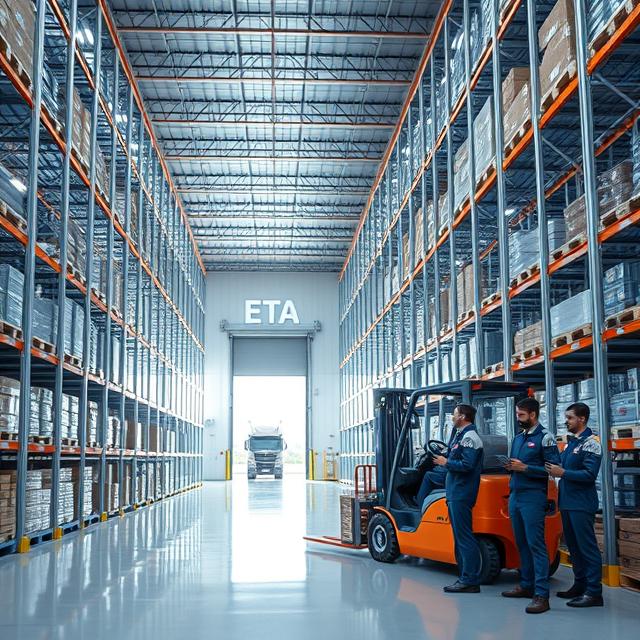
In the heart of the Middle East, where ancient trade routes once converged, the United Arab Emirates has established itself as a preeminent global hub for commerce, logistics, and innovation. This remarkable transformation from a regional pearl-diving economy to a 21st-century powerhouse was not achieved by chance. It was built upon a foundation of robust commercial entities that facilitated trade, fostered international relationships, and navigated the complex economic landscape. Among the most pivotal of these entities is the Emirates Trading Agency (ETA), a name that, while sometimes generic in nature, represents a critical and enduring business model that has been instrumental in the UAE’s growth story.
It is important to clarify that “Emirates Trading Agency” is not a single, monolithic corporation but rather a common and significant business title. Many established conglomerates in the UAE operate under this or a very similar name, each with its own unique history and portfolio. Understanding the role of an ETA provides a window into the very mechanics of how business is conducted in the UAE and the wider Gulf region.
The Historical Context and Rise of the Trading Agency Model
The concept of the trading agency has deep roots in the Middle East, historically embodied by the merchant family or the tajir. These merchants were adept at navigating the complexities of international trade, acting as the crucial link between global manufacturers and local markets. They possessed an intimate understanding of regional customs, consumer preferences, and legal frameworks.
Following the formation of the UAE in 1971 and the subsequent oil boom, the nation experienced an unprecedented influx of goods, technology, and expertise needed for rapid development. International companies were eager to access this burgeoning market but were often hindered by cultural, linguistic, and regulatory barriers. This created a perfect environment for the modern trading agency to flourish.
These agencies stepped into the role of a trusted local partner. They became the authorized representatives, distributors, and agents for countless foreign brands, providing them with a ready-made infrastructure for market entry. The value proposition was clear: the international company provided the product and global brand strength, while the Emirates Trading Agency provided the local market knowledge, established distribution networks, government liaison services, and on-the-ground customer support.
Core Functions and Operational Pillars
A typical Emirates Trading Agency, regardless of its specific corporate structure, operates on several key pillars that define its success and importance:
-
Distribution and Supply Chain Mastery: At its core, an ETA is a logistics expert. It manages the entire process of getting goods from the port of entry to the end-user. This includes customs clearance, warehousing, inventory management, transportation, and last-mile delivery. Their established networks ensure efficiency and reliability, which are paramount in a region that serves as a re-export hub for billions of dollars of goods heading to Africa, Asia, and the rest of the Middle East.
-
Manufacturer’s Representation: ETAs often secure exclusive rights to distribute a foreign company’s products within the UAE or the entire GCC region. They act as the brand’s face in the market, handling marketing, advertising, sales, and after-sales service. This allows multinational corporations to maintain brand consistency and quality of service without the overhead of establishing their own fully-owned subsidiary from scratch.
-
Strategic Investment and Diversification: Many of the large groups that began as trading agencies have strategically diversified their investments. It is common for a successful ETA to have expanded into various sectors such as construction, real estate, manufacturing, retail, and technology. They leverage their generated capital and business acumen to invest in the nation’s development, building hotels, developing properties, or establishing joint ventures to manufacture goods locally.
-
Government and Commercial Liaison: Navigating the legal and bureaucratic landscape is a specialized skill. ETAs possess deep experience in dealing with various UAE government departments, chambers of commerce, and regulatory bodies. They assist their international partners with company registration, licensing, visa processing, and ensuring compliance with local commercial laws and Sharia principles where applicable.
The ETA in the Modern Economic Landscape
The UAE’s economic vision, most notably outlined in initiatives like “We the UAE 2031,” emphasizes diversification, digital transformation, and sustainable growth. This evolving landscape presents both challenges and opportunities for the traditional trading agency model.
-
Challenges: The rise of e-commerce and direct-to-consumer sales models poses a question to the traditional distributor role. Furthermore, changes in commercial agency laws are gradually reshaping the absolute exclusivity once enjoyed by agents, encouraging more competition.
-
Opportunities: Astute ETAs are not resisting this change but are adapting and leading it. They are:
-
Embracing Digitalization: Implementing advanced ERP systems, developing e-commerce platforms, and using data analytics to optimize supply chains and understand consumer behavior.
-
Focusing on Value-Added Services: Moving beyond mere logistics to offer sophisticated marketing solutions, technical support, and engineering services for complex products like industrial machinery or medical equipment.
-
Prioritizing Sustainability: Aligning with national goals by promoting eco-friendly products, optimizing logistics for carbon reduction, and investing in green technologies.
-
The Enduring Legacy and Future Outlook
The term Emirates Trading Agency symbolizes more than just a company name; it represents a legacy of entrepreneurship, trust, and facilitation. These entities were the architects of the modern UAE’s commercial infrastructure. They built the bridges that connected the world to the UAE and the UAE to the world.
Looking ahead, their role will continue to be vital, though it will evolve. The future ETA will likely be a hybrid entity: part digital logistics platform, part strategic investment firm, and part innovation partner. Their deep-rooted presence, financial strength, and intimate knowledge of the region will allow them to continue playing a foundational role in the next chapter of the UAE’s economic story—one focused on knowledge, innovation, and sustainable prosperity. They remain the indispensable partners for any global enterprise looking to navigate the promising but complex markets of the Gulf.
Informational FAQs About Emirates Trading Agencies
1. Is “Emirates Trading Agency” one specific company?
No, it is not. “Emirates Trading Agency” is a common trading name used by several different, privately-owned conglomerates in the UAE. Examples include ETA Star Group, ETA Ascon Group, and others. Each is a separate entity with its own history and diverse business interests.
2. What is the difference between a trading agency and a distributor?
The terms are often used interchangeably, but a trading agency typically implies a deeper, more formal relationship. An agency often has exclusive legal rights to represent a manufacturer in a territory and may be involved in defining marketing strategy and pricing. A distributor may simply be one of several entities purchasing and reselling goods without exclusivity or representational duties.
3. How does a foreign company partner with an Emirates Trading Agency?
A foreign company would typically identify potential agencies that have expertise in their industry sector. After initial contact and due diligence, they would negotiate a representation or distribution agreement. This contract outlines the territory, exclusivity terms, sales targets, marketing responsibilities, and duration of the partnership. Legal counsel is highly recommended.
4. Are trading agencies only for large multinational corporations?
While many large global brands work with major ETAs, smaller and medium-sized enterprises (SMEs) can also benefit immensely. For an SME, partnering with a reputable agency is often the most efficient and cost-effective way to test and enter the UAE market without a massive upfront investment.
5. What are the key benefits for an international brand working with an ETA?
The primary benefits include rapid market entry, expert navigation of local regulations, an established sales and distribution network, cultural and linguistic translation, and reduced operational risk and overhead.
6. How is the trading agency model changing?
The model is evolving from pure physical distribution to include e-commerce fulfillment, digital marketing, and a stronger focus on providing technical and after-sales support for complex products. Agencies are becoming more integrated, value-added partners rather than just movers of goods.