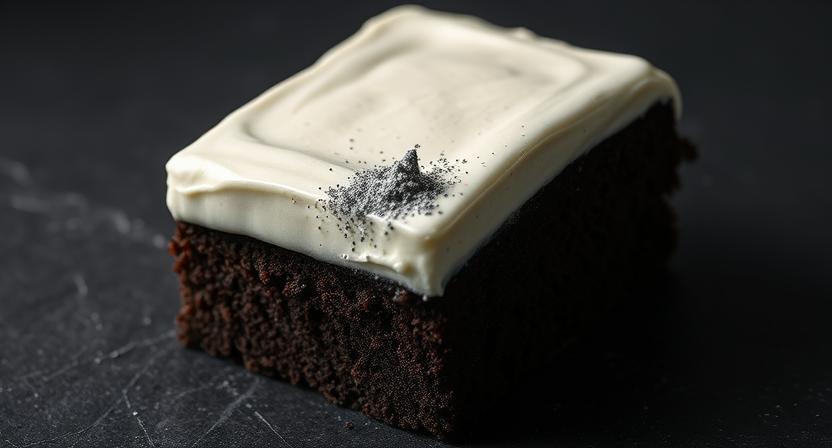
The phrase “killer frosting” sounds like a title from a campy horror film. It conjures images of a vengeful dessert, a beautiful cake that hides a deadly secret. While this makes for entertaining fiction, the reality behind the term is far more sobering and rooted in tragic historical events and modern-day food safety failures. “Killer frosting” isn’t about a sentient confection; it’s a stark warning about the very real dangers of food contamination and improper preparation.
A Slice of History: The Original “Killer Frosting”
The most infamous historical incident that perfectly encapsulates the “killer frosting” phenomenon occurred in 1858 in Bradford, England. This event, known as the Bradford Sweet Poisoning, was a public health disaster that resulted directly from the contamination of a common ingredient used in hard candies and, crucially, for whitening sugar used in icing.
The Culprit: Daulterated Sugar
In the 19th century, sugar was expensive. To increase their profits and make white sugar appear even whiter and more plentiful, unscrupulous merchants would “daulterate” it by mixing in cheaper substances. A common adulterant was plaster of Paris (calcium sulfate). However, the substance that caused the catastrophe in Bradford was far more deadly: arsenic trioxide, a cheap, white powder that resembled sugar or flour.
The Tragic Mistake
A local pharmacist named William Hardaker, known as “Humbug Billy,” purchased 12 pounds of daulterated sugar from a sweetshop owner, Joseph Neal. Neal had acquired the “daulterant” from a wholesaler, mistaking a barrel of arsenic for a barrel of plaster of Paris. Hardaker used this sugar to make his humbug candies. He also sold some of the poisoned sugar to a market stallholder who used it to make a large, inviting peppermint loaf cake covered in thick, white frosting.
The Devastating Outcome
The result was catastrophic. Over 200 people fell seriously ill after consuming the sweets and the cake, and 20 people died. The victims suffered agonizing symptoms of arsenic poisoning: violent vomiting, severe abdominal pain, and dehydration. The incident sparked public outrage and led directly to the Pharmacy Act 1868, which began the crucial process of regulating the sale of poisons and medicines. The Bradford poisoning stands as a grim, historical monument to the dangers of unregulated food production and the literal poison that can lurk within a seemingly innocent frosting.
Modern-Day “Killer Frostings”: Beyond Arsenic
While we no longer worry about arsenic in our sugar, the term “killer frosting” remains relevant today, referring to several modern food safety hazards.
1. The Peril of Raw Ingredients
The most common contemporary “killer” in frosting is Salmonella, a bacterium often associated with raw eggs and poultry. Traditional buttercream and royal icing recipes frequently call for raw egg whites to achieve a light, fluffy texture. If the eggs are contaminated with Salmonella, the frosting becomes a vehicle for foodborne illness, which can be particularly dangerous for young children, the elderly, pregnant women, and those with compromised immune systems. Symptoms include fever, diarrhea, and abdominal cramps, and in severe cases, the infection can be fatal.
2. The Unseen Threat of Cross-Contamination
Another modern danger is cross-contamination. This occurs when allergens like peanuts, tree nuts, or dairy are unintentionally introduced into a frosting meant to be allergen-free. For someone with a severe allergy, this accidental exposure can trigger anaphylaxis, a rapid-onset, life-threatening allergic reaction. A knife used for a peanut butter frosting and then wiped clean before being used on a vanilla buttercream can still transfer enough protein to cause a fatal reaction in a highly allergic individual. In this context, the frosting becomes a “killer” due to a lack of meticulous kitchen hygiene.
3. The Danger of Improper Storage
Frosting, especially buttercream or cream cheese frosting, is a dairy-based product that is highly perishable. A cake left out on the counter for too long, particularly in a warm environment, becomes a breeding ground for bacteria like Staphylococcus aureus and Listeria. These bacteria can multiply to dangerous levels, causing serious food poisoning. A beautifully decorated cake at a summer picnic, if not kept refrigerated, can quickly turn into a hazardous food item.
How to Ensure Your Frosting is Safe, Not Deadly
Knowledge is the ultimate antidote to the “killer frosting.” By following modern food safety practices, you can eliminate these risks entirely.
Subheading: Smart Ingredient Swaps
-
Pasteurized Eggs: Always use pasteurized eggs or egg whites in recipes calling for raw eggs. The pasteurization process heats the eggs just enough to kill any harmful bacteria without cooking them.
-
Egg-Free Alternatives: For royal icing, use meringue powder, which is made from pasteurized, dried egg whites and is perfectly safe. For buttercreams, consider an egg-free Swiss or Italian meringue buttercream, where the egg whites are cooked with a hot sugar syrup.
-
Aquafaba: The liquid from a can of chickpeas is a brilliant vegan substitute for egg whites. It whips up into a stable foam perfect for meringues and buttercreams and carries zero risk of Salmonella.
Subheading: Mastering Kitchen Hygiene
-
Allergen Protocol: If preparing food for someone with an allergy, treat it with the utmost seriousness. Use clean bowls, utensils, and spatulas. Wash your hands thoroughly. Consider preparing the allergen-free item first in a clean workspace.
-
Temperature Control: Refrigerate cakes with perishable frostings (cream cheese, whipped cream, custard-based). The “Danger Zone” for bacterial growth is between 40°F and 140°F (4°C and 60°C). Do not leave these items out for more than two hours (or one hour if the ambient temperature is above 90°F/32°C).
Conclusion: Respect the Recipe, Respect the Science
The story of “killer frosting” is a powerful reminder that food safety is not a modern inconvenience but a critical practice that has evolved from real tragedy. It teaches us to respect the ingredients we use and the science behind food preparation. By understanding the historical context and the very real modern risks, we can approach baking not with fear, but with confidence and care. So the next time you whip up a batch of frosting, remember that the difference between a delightful treat and a dangerous one lies in your knowledge and attention to detail. Bake smart, bake safe, and ensure your creations bring only joy.
Informational FAQs
Q1: Is it safe to eat raw cake batter or cookie dough for the same reasons?
A1: Absolutely not. Raw cake batter and cookie dough contain the same hazardous raw ingredients: raw flour and raw eggs. Raw flour can be contaminated with E. coli, and raw eggs can contain Salmonella. It is never safe to consume unbaked products containing these ingredients.
Q2: What is the safest type of frosting to use if I need a cake to sit out for a long time?
A2: For events where refrigeration isn’t possible, opt for frostings that are stable at room temperature. These include:
-
American Buttercream (made with just butter, powdered sugar, and milk/cream) is generally safe for a day.
-
Fondant provides a sealed barrier and is very stable.
-
Ganache (made with chocolate and cream) is also relatively stable, especially if made with a higher ratio of chocolate.
Q3: How can I tell if frosting has gone bad?
A3: Trust your senses. Signs of spoiled frosting include:
-
Smell: An off, sour, or unpleasant odor.
-
Appearance: Visible mold, a slimy texture, or significant separation of liquids.
-
Taste: If it smells and looks okay, a tiny taste that reveals sourness means it should be discarded immediately. When in doubt, throw it out.
Q4: Are store-bought frostings and icings safe from these risks?
A4: Commercially produced frostings are generally very safe. They are made in controlled environments with pasteurized ingredients, preservatives, and are packaged to prevent contamination. However, once opened, they must be refrigerated and used by the date on the package, just like any other perishable food item.