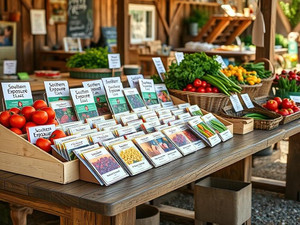
In recent years, there has been a growing interest in organic gardening, heirloom varieties, and seed saving. Among the many organizations that support these practices, Southern Exposure Seed Exchange has become a well-known name for gardeners across the United States, particularly in the Southeast. More than just a seed company, Southern Exposure Seed Exchange serves as a community hub for growers who value biodiversity, sustainability, and self-sufficiency. This article explores the history, purpose, and impact of Southern Exposure Seed Exchange, while also offering practical insights into why seed exchanges are so important.
The Origins of Southern Exposure Seed Exchange
The story of Southern Exposure Seed Exchange began in the early 1980s. Founded in Virginia, it started as a small, farmer-driven effort to make regional seed varieties more accessible. The climate of the Southeast is unique—hot, humid summers and mild winters mean that not every seed variety thrives there. Gardeners needed access to cultivars that could withstand these conditions.
Over the decades, Southern Exposure Seed Exchange has grown into a trusted supplier of open-pollinated and heirloom seeds. The organization prioritizes varieties that perform well in the Mid-Atlantic and Southeast, though many of their seeds are suitable for other regions too.
What Makes Southern Exposure Seed Exchange Unique?
1. Focus on Heirloom and Open-Pollinated Seeds
Unlike many commercial seed companies that sell hybrids or genetically modified varieties, Southern Exposure Seed Exchange emphasizes heirloom and open-pollinated seeds. These types of seeds can be saved year after year, allowing gardeners to build self-reliant food systems.
2. Regional Adaptation
Seeds are not “one size fits all.” A tomato variety that grows well in New England may struggle in the heat of Georgia. Southern Exposure Seed Exchange carefully tests and curates varieties suited for warm, humid environments, making them a go-to resource for southern gardeners.
3. Educational Mission
Beyond selling seeds, the organization provides extensive educational materials. Their catalogs, guides, and online resources offer advice on seed saving, organic growing techniques, and maintaining soil health.
4. Community-Oriented Approach
Southern Exposure Seed Exchange collaborates with local farmers, gardeners, and nonprofits. By supporting small-scale growers, they help preserve agricultural biodiversity while strengthening local food systems.
The Importance of Seed Saving
At the heart of Southern Exposure Seed Exchange’s philosophy is the practice of seed saving. For generations, farmers and gardeners saved seeds from plants that thrived in their local environments. This practice ensured that future crops would be well-adapted to specific soils, climates, and conditions.
In contrast, much of modern agriculture relies on hybrid seeds that cannot be saved effectively. This forces growers to buy new seeds each year. By promoting seed saving, Southern Exposure Seed Exchange encourages self-sufficiency and helps safeguard crop diversity.
Popular Seeds Offered by Southern Exposure Seed Exchange
1. Tomatoes
Tomatoes are among the most popular seeds in their catalog, with dozens of heirloom varieties available. From pink Brandywine to disease-resistant regional cultivars, these seeds cater to diverse tastes and climates.
2. Beans
Southern gardeners often turn to beans as reliable, heat-tolerant crops. The seed exchange offers pole beans, bush beans, and heirloom varieties that have been grown in the South for generations.
3. Peppers
From sweet bell peppers to spicy hot varieties, the collection includes seeds that thrive in warm weather and add flavor to southern cuisine.
4. Greens
Collards, mustards, and kale are staples of southern cooking. Southern Exposure Seed Exchange ensures these traditional foods remain accessible in open-pollinated forms.
5. Flowers and Herbs
While vegetables form the backbone of the catalog, the seed exchange also provides pollinator-friendly flowers and herbs, recognizing the ecological importance of supporting bees, butterflies, and beneficial insects.
The Role of Biodiversity in Agriculture
One of the greatest strengths of Southern Exposure Seed Exchange lies in its commitment to biodiversity. Modern industrial agriculture often relies on monocultures—large fields of a single crop. While efficient, this practice can make food systems vulnerable to disease, pests, and climate change.
Heirloom and regionally adapted seeds represent genetic diversity that can help safeguard our future food supply. By maintaining older varieties and supporting genetic resilience, Southern Exposure Seed Exchange contributes to a more secure and sustainable food system.
How to Get Involved
Whether you are a home gardener or part of a larger community project, there are several ways to engage with Southern Exposure Seed Exchange.
-
Order Seeds: Their catalog is available both online and in print, making it easy to browse and select varieties.
-
Attend Events: The organization often participates in seed swaps, workshops, and agricultural conferences.
-
Save Seeds: By learning how to properly save seeds, gardeners can reduce costs, preserve heritage crops, and share with neighbors.
-
Support Local Agriculture: Choosing regionally adapted seeds is one way to strengthen local food systems.
The Broader Movement: Seed Exchanges Across the U.S.
While Southern Exposure Seed Exchange is one of the most well-known, it is part of a larger movement. Across the United States, seed exchanges and seed libraries are popping up in towns, cities, and online communities. This growing interest reflects a cultural shift toward sustainability, food sovereignty, and ecological stewardship.
Challenges Facing Seed Exchanges
Despite their importance, seed exchanges face unique challenges:
-
Climate Change: Shifts in weather patterns demand ongoing adaptation.
-
Corporate Control of Seeds: A few large companies dominate the global seed market, limiting access to open-pollinated varieties.
-
Loss of Traditional Knowledge: Fewer people are learning seed-saving skills, making education crucial.
Southern Exposure Seed Exchange tackles these issues by promoting awareness, offering training, and keeping diverse seeds available to the public.
Conclusion
Southern Exposure Seed Exchange is far more than a seed supplier. It is a vital part of a movement to preserve biodiversity, promote sustainable farming, and empower communities to grow their own food. For gardeners in the Southeast—and across the nation—it offers not only seeds but also knowledge, resilience, and connection to tradition.
By choosing heirloom and open-pollinated seeds, gardeners contribute to a food system that values diversity, independence, and ecological health. In an era of rapid environmental and social change, organizations like Southern Exposure Seed Exchange remind us of the importance of looking back to move forward.
FAQs about Southern Exposure Seed Exchange
Q1. What is Southern Exposure Seed Exchange?
It is a seed company and community resource based in Virginia, specializing in heirloom and open-pollinated seeds adapted to the Southeast.
Q2. Can I grow their seeds outside the Southeast?
Yes. While many varieties are chosen for southern conditions, they can also perform well in other regions depending on climate.
Q3. Do they sell hybrid or GMO seeds?
No. Southern Exposure Seed Exchange focuses on open-pollinated, heirloom, and organic options, avoiding hybrids and GMOs.
Q4. How do I start saving seeds?
The organization provides guides and resources on seed-saving techniques, helping beginners learn how to collect, store, and replant seeds.
Q5. Why is seed saving important?
Seed saving preserves biodiversity, reduces dependence on commercial seed companies, and ensures crops adapt to local conditions.
Q6. Can I order seeds online?
Yes. They maintain a user-friendly website where customers can browse and purchase seeds.