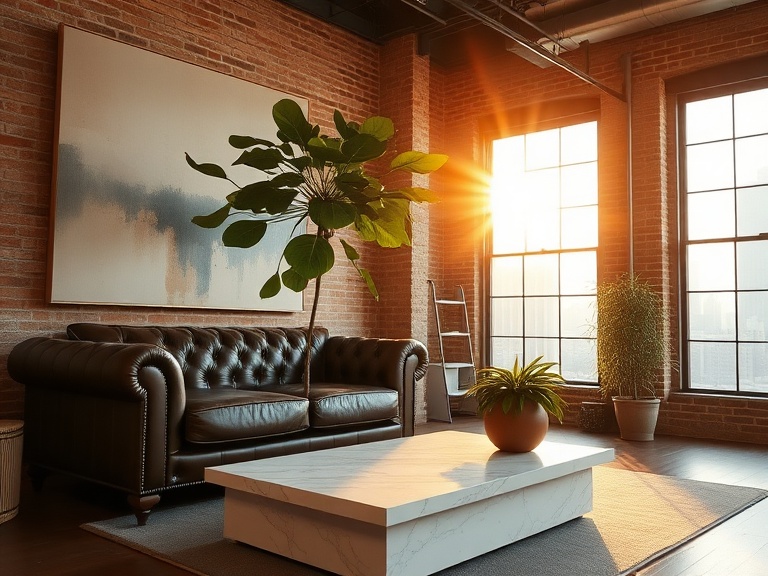
In the ever-evolving landscape of interior design, trends flicker and fade with the seasons. What is en vogue today may feel dated and out of touch tomorrow. Yet, amidst this constant churn, a profound and enduring design philosophy has been steadily gaining traction—one that seeks not to chase the ephemeral, but to embrace the everlasting. This philosophy is encapsulated in the term Eternity Modern, a concept that mergies the enduring principles of classic design with the clean, functional needs of modern life. It is not merely an aesthetic; it is a mindful approach to creating spaces that are as relevant today as they will be for generations to come.
Deconstructing the Concept: What Exactly is Eternity Modern?
At its core, Eternity Modern is the intersection of two powerful design ideologies: the timeless and the modern.
-
The “Eternity” Element: This refers to designs that have proven their worth over decades, even centuries. Think of the elegant curves of a Louis XV armchair, the robust simplicity of a Shaker table, or the organic forms of Mid-Century Modern masters like Hans Wegner and Charles & Ray Eames. These pieces are not defined by a specific era’s fleeting trends but by their impeccable proportions, quality of craftsmanship, and inherent harmony. They possess a soul that transcends time.
-
The “Modern” Element: This is not synonymous with “contemporary.” Instead, it refers to the principles of Modernism that emerged in the early 20th century: clean lines, a lack of superfluous ornamentation, functionalism, and a focus on material honesty. Modern design prioritizes open space, light, and a sense of calm, uncluttered living.
Therefore, Eternity Modern is the conscious curation of these timeless designs within a contemporary context. It’s about selecting a 1950s sofa not as a vintage relic, but for its perfect sculptural form that complements a minimalist apartment. It’s about placing a handcrafted, traditional wooden dining table in a room with polished concrete floors and large industrial windows, creating a dialogue between warmth and coolness, old and new.
The Pillars of the Eternity Modern Aesthetic
Creating an Eternity Modern space is an exercise in intentionality. It rests on several key pillars that distinguish it from mere period-style decoration.
1. Quality Over Quantity: The Heirloom Mentality
The most fundamental principle is an investment in quality. Eternity Modern rejects the disposable culture of fast furniture. Instead, it champions pieces built to last—crafted from solid wood, premium leather, durable metals, and natural stone. These are items designed to age gracefully, acquiring a patina that tells the story of a life well-lived. This heirloom mentality is both sustainable and deeply personal, fostering a connection between the occupant and their environment.
2. Neutral Foundations with Punctations of Character
Eternity Modern interiors typically begin with a neutral, serene foundation. Walls in shades of white, grey, beige, or taupe act as a calm canvas. Floors are often of natural materials like oak hardwood, stone, or high-quality neutral tiles. This backdrop allows the furniture and art to take center stage. Color is not absent but is used strategically—a vibrant painting, a richly colored velvet cushion, or a single statement armchair in a bold hue serves as a punctuation mark of personality against a sentence of calm.
3. The Dialogue of Materials
There is a profound focus on the tactile experience of materials. An Eternity Modern room thrives on textural contrast. Imagine the smooth coolness of marble against the rough, nubby texture of a wool throw. The supple softness of aniline leather on a chair contrasted with the hard, polished chrome of its legs. The organic, irregular grain of a live-edge wood slab juxtaposed with the sleek, manufactured precision of a steel-framed glass door. This layering of textures creates depth, interest, and a sensory-rich environment.
4. Sculptural Forms as Focal Points
In the absence of excessive decoration, the forms of the furniture themselves become the art. A classic Tulip table, a Barcelona chair, a Wegner Wishbone chair—these are not just functional objects; they are sculptures. Their lines, curves, and proportions are studied and celebrated. In an Eternity Modern space, every piece is chosen for its aesthetic merit as much as its utility, contributing to a cohesive and visually harmonious whole.
5. Mindful Curation and “Breathing Space”
This aesthetic abhors clutter. It is about editing your possessions down to what is truly beautiful and useful. This doesn’t mean the space feels cold or sterile; rather, it feels intentional and calm. Negative space, or “breathing room,” is considered an essential design element. It allows the eye to rest and the mind to relax, ensuring that each chosen piece can be appreciated fully.
How to Cultivate an Eternity Modern Home
Integrating this philosophy into your own space is a journey, not a destination. Here are practical steps to begin:
-
Start with the Foundation: Invest in one or two key, high-quality furniture pieces that you truly love—a timeless sofa, a well-made dining table. Build your room around these anchors.
-
Mix Eras Thoughtfully: Don’t be afraid to pair a contemporary lighting fixture with a classic wooden cabinet. The tension between eras is where the magic happens. The key is a unifying element, such as color, material, or form.
-
Embrace Natural Elements: Incorporate wood, stone, linen, cotton, and wool. Plants are also a wonderful way to bring life and an organic, timeless element into a modern space.
-
Lighting as Jewelry: Choose lighting fixtures with care. A sculptural floor lamp or a classic Arco lamp replica can serve as a stunning artistic statement while providing essential function.
-
Art and Personal Artifacts: Adorn your walls with art that speaks to you, regardless of its period. Display personal artifacts, like a vintage globe or a collection of ceramics, that add layers of narrative and personality without contributing to visual noise.
The Enduring Appeal: Why Eternity Modern Resonates
In our fast-paced, hyper-connected world, our homes have become our sanctuaries. The Eternity Modern philosophy responds to a deep-seated human yearning for stability, authenticity, and beauty that endures. It offers an escape from the relentless cycle of consumer trends, advocating for a slower, more considered way of living. It creates environments that are not just visually pleasing, but psychologically restorative—spaces that feel both grounded in history and perfectly suited for the present, truly built for eternity.
Informational FAQ Section
Q1: Is Eternity Modern the same as “Mid-Century Modern” (MCM)?
A: Not exactly. Mid-Century Modern is a specific design period (roughly the 1930s to 1960s) and is a major source of inspiration for Eternity Modern. However, Eternity Modern is a broader philosophy that can incorporate MCM pieces alongside designs from many other eras (e.g., Art Deco, Scandinavian Modern, or even classic 18th-century forms) as long as they meet the criteria of timeless design and quality.
Q2: Doesn’t investing in high-quality, timeless pieces cost a fortune?
A: While initial costs for heirloom-quality furniture are often higher than for mass-produced alternatives, Eternity Modern is a cost-effective philosophy in the long run. You are buying once, for a lifetime, rather than replacing disposable furniture every few years. Furthermore, the philosophy encourages buying fewer, better things, which can reallocate budget effectively.
Q3: How can I avoid my Eternity Modern home looking like a museum or a showroom?
A: The key is personalization. A showroom is defined by a lack of personal artifacts. Infuse your space with things that tell your story: books, family photos in elegant frames, souvenirs from travels, or handmade items. The neutral, quality backdrop of Eternity Modern is designed to make these personal touches shine.
Q4: Can I incorporate technology into an Eternity Modern home without disrupting the aesthetic?
A: Absolutely. The principle of “material honesty” and clean lines can extend to technology. Conceal wires meticulously, choose tech in neutral colors or natural material finishes (like wood-grain speakers), and integrate smart home systems in a way that is invisible, preserving the clean, uncluttered aesthetic.
Q5: Is this style suitable for small spaces or apartments?
A: Yes, it is exceptionally well-suited. The emphasis on uncluttered spaces, functional furniture, and a light, neutral color palette are all techniques that make small spaces feel larger, brighter, and more organized. A single, beautiful piece of furniture can have far more impact in a small room than several mediocre ones.