In the vast and captivating world of aroids, where bold, split-leaved monsters and velvety-textured jewels often steal the spotlight, the Philodendron tortum emerges as a study in elegant minimalism. This extraordinary plant, with its deeply dissected, fern-like foliage, offers a texture and form that is unlike almost any other in its genus. It is a plant for the connoisseur, the one who appreciates intricate detail and architectural grace over sheer size and boldness. This article delves into the origins, characteristics, and care requirements of this remarkable species, providing a comprehensive guide for enthusiasts looking to welcome one into their collection.
Unveiling the Tortum: Origins and Botanical Profile
A Native of the Rainforest Canopy
The Philodendron tortum is not a man-made hybrid but a true species, naturally occurring in the wild. Its native range spans the humid, tropical rainforests of Brazil and parts of the Guiana Shield. In its natural habitat, it is an epiphytic or hemiepiphytic plant, meaning it spends most of its life growing on other trees (epiphytic) or starting its life on the ground and then climbing upwards (hemiepiphytic). This is a crucial piece of information for understanding its care needs, as it is accustomed to having its roots in well-aerated, organic matter rather than dense soil.
Understanding its epiphytic nature is the first key to successfully cultivating a Philodendron tortum. It thrives in conditions that mimic the dappled light, high humidity, and airy root environment of the rainforest canopy.
The Meaning Behind the Name
The specific epithet “tortum” is derived from Latin, meaning “twisted” or “contorted.” This name is a direct and apt reference to the plant’s most striking feature: its wildly contorted and deeply lobed leaves. The name perfectly captures the essence of the plant’s unique morphology, setting it apart from its more conventionally leafed cousins.
The Captivating Aesthetic: Anatomy of the Philodendron Tortum
The beauty of the Philodendron tortum lies in its intricate and almost otherworldly appearance.
The Foliage: A Masterpiece of Dissection
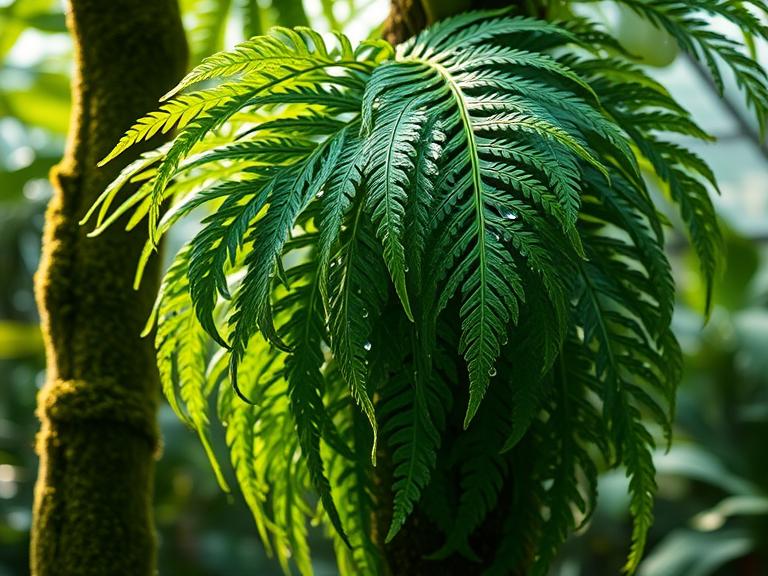
The leaves of the Philodendron tortum are its main attraction. They are incredibly thin, almost skeletal, and are so profoundly dissected that they bear a striking resemblance to a fern or even the skeleton of a leaf. Each leaf can boast between 15 to 20 or more narrow, finger-like lobes that radiate from a central midrib. These lobes are not uniform; they often twist and curl gently, living up to the “tortum” name. The leaf texture is semi-glossy and delicate, lacking the thick, leathery feel of many other Philodendrons.
As the plant matures, the leaves increase in size and complexity. A mature Philodendron tortum can produce leaves that are over a foot long and equally wide, creating a spectacular, wispy canopy.
Growth Habit: Climber by Nature
In its juvenile form, the Philodendron tortum may have a somewhat bushy appearance, but its true nature is that of a climber. It is a hemi-epiphyte that will readily attach itself to a moss pole, coco coir pole, or piece of wood. Providing a support structure is highly recommended, as it encourages the plant to produce larger, more mature leaves and displays its natural growth form to its fullest potential. The internodes (the spaces between leaves on the stem) can be relatively long, giving the plant an open, airy feel.
Flowers and Inflorescence
Like all aroids, the Philodendron tortum is capable of producing an inflorescence, though this is a rare event in cultivation, especially indoors. The flower consists of a spathe (a modified leaf) and a spadix (a spike of tiny flowers). The spathe is typically a creamy green or white color, forming a hood around the spadix. While not as flamboyant as the blooms of some other plants, it is a fascinating botanical structure for those lucky enough to see it.
Essential Care Guide: Cultivating a Thriving Tortum
Caring for a Philodendron tortum is a rewarding experience, as it is generally considered a moderately easy plant if its basic needs are met. The key is to replicate its natural epiphytic environment as closely as possible.
1. Light: The Key to Robust Growth
The Philodendron tortum thrives in bright, indirect light. An east-facing window is ideal, as it provides gentle morning sun. A few feet away from a south or west-facing window, protected by a sheer curtain, also works well. Insufficient light will lead to leggy growth, with longer internodes and smaller, less dissected leaves as the plant stretches for a light source. Conversely, harsh, direct afternoon sun can scorch its delicate foliage.
2. Watering: The Epiphytic Balance
This is where understanding its epiphytic roots is critical. The Philodendron tortum prefers a consistently moist but never waterlogged growing medium. Allow the top inch or two of the substrate to dry out between waterings. The goal is to keep the roots lightly damp, similar to the moist, airy litter of a tree branch in the rainforest. Overwatering is a primary cause of failure, leading to root rot. Underwatering will cause the leaves to wilt and develop dry, brown edges.
3. Soil and Potting: A Recipe for Aeration
A standard, dense potting soil is a death sentence for the Philodendron tortum. It requires an extremely well-draining, chunky, and airy mix. A perfect substrate can be created by combining:
-
Orchid Bark: Provides structure and aeration.
-
Coco Coir or Sphagnum Moss: Retains moisture without becoming soggy.
-
Perlite and/or Horticultural Charcoal: Improves drainage and prevents souring of the mix.
-
A handful of worm castings: For a gentle, organic nutrient source.
Aroid-specific mixes are widely available and are an excellent choice. Always use a pot with ample drainage holes.
4. Humidity and Temperature
As a tropical plant, the Philodendron tortum appreciates high humidity levels of 60% or more. While it can often adapt to average household humidity (around 40-50%), you may see the most vibrant growth and avoid crispy leaf tips in a more humid environment. Using a humidifier, placing the plant on a pebble tray, or grouping it with other plants can help. It prefers temperatures between 65°F and 80°F (18°C – 27°C) and should be protected from cold drafts and sudden temperature drops.
5. Fertilization: Gentle and Consistent
During the active growing season (spring and summer), feed your Philodendron tortum with a balanced, liquid fertilizer diluted to half-strength every 4-6 weeks. A fertilizer formulated for aroids is ideal. Refrain from fertilizing during the fall and winter when growth naturally slows.
Common Challenges and Solutions
-
Yellowing Leaves: Often a sign of overwatering. Check the soil moisture and ensure the pot drains properly.
-
Brown, Crispy Leaf Edges: Typically caused by low humidity or underwatering. Increase humidity and check your watering schedule.
-
Leggy Growth with Small Leaves: A clear indicator of insufficient light. Move the plant to a brighter location.
-
Pests: Like many houseplants, it can be susceptible to common pests like spider mites, mealybugs, and thrips. Regular inspection and prompt treatment with insecticidal soap or neem oil are effective.
Propagation: Sharing the Elegance
The most successful method for propagating the Philodendron tortum is through stem cuttings.
-
Using a clean, sharp blade, cut a section of the stem that includes at least one node (the point on the stem where leaves and roots emerge) and one or two leaves.
-
You can root the cutting in water or directly in a moist sphagnum moss/perlite mix.
-
Place the cutting in a warm, bright location with high humidity (a propagation box or a clear plastic bag can help).
-
Once roots are a few inches long (in water) or well-established (in moss), you can pot the new plant into your standard chunky aroid mix.
Informational FAQs
Q1: Is the Philodendron tortum rare?
A: While becoming more available through specialized nurseries and plant sellers, the Philodendron tortum is still considered a less common and sought-after species compared to mainstream Philodendrons like the Heartleaf or Brasil.
Q2: How fast does a Philodendron tortum grow?
A: Its growth rate is moderate. With ideal conditions (bright light, warm temperatures, and consistent moisture), you can expect several new leaves throughout the growing season. Growth will slow or halt in the winter.
Q3: Is the Philodendron tortum toxic to pets?
A: Yes, like all plants in the Araceae family, the Philodendron tortum contains calcium oxalate crystals, which are toxic to cats, dogs, and humans if ingested. It can cause oral irritation, drooling, and difficulty swallowing. Keep it out of reach of pets and children.
Q4: What is the difference between Philodendron tortum and Philodendron polypodioides?
A: They are very similar and often confused. The main difference is in the finer details of the leaf structure. P. tortum lobes are generally straighter and more numerous, radiating more evenly, while P. polypodioides lobes are often more irregular, contorted, and can have a slightly “messier” appearance. Some botanists consider them the same species, causing ongoing debate.
Q5: Why are the new leaves on my tortum so small and not very divided?
A: This is usually a sign that the plant is not receiving enough light or is lacking a proper support structure to climb. Increase light levels and provide a moss pole to encourage the development of larger, more mature, and intricately dissected leaves.