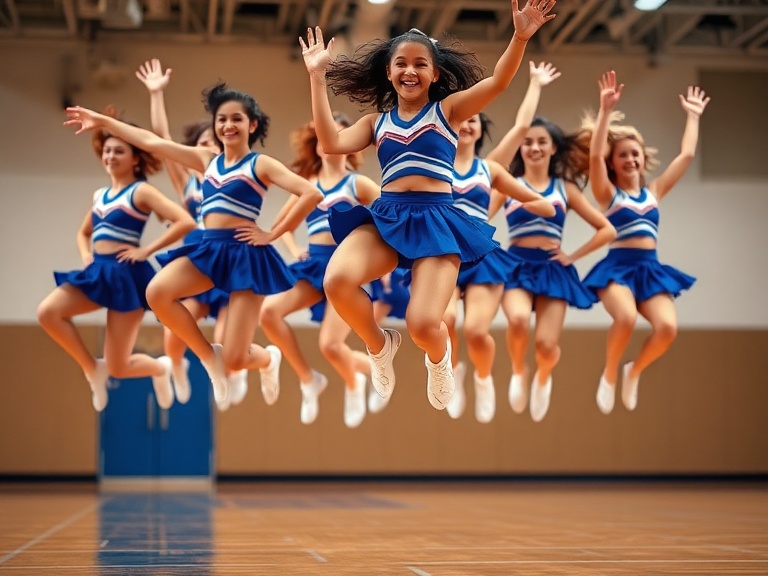
Cheerleader Skirts: The image is iconic: a dynamic, high-flying athlete, mid-motion, with a vibrant skirt flaring against the backdrop of a roaring crowd. The cheerleader skirt is one of the most recognizable garments in modern culture, instantly evoking themes of school spirit, athleticism, and American tradition. Yet, to dismiss it as merely a uniform component is to overlook a rich history of functional design, social symbolism, and ongoing evolution. This article delves into the journey of the cheerleader skirt, from its practical origins to its status as a cultural icon and its place in contemporary discourse.
From Sweaters to Short Skirts: A Historical Pep Rally
To understand the cheerleader skirt, one must first look at the roots of cheerleading itself. The activity began in the late 19th century at the University of Minnesota, pioneered by a male student named Johnny Campbell. In these early days, cheerleading was a male-dominated pursuit. The uniforms were not the coordinated outfits we see today; they were typically the standard collegiate attire of the era—often full-length trousers, sweaters, and blazers.
The transformation began in the 1920s and 1930s. As women began to participate in cheerleading, their attire needed to allow for greater mobility than the restrictive fashions of the day. They started wearing pleated, woolen skirts that fell below the knee, paired with saddle shoes. This was a significant shift, representing a practical adaptation for the physical demands of leading cheers. The skirt was no longer just feminine dress; it was a functional garment for a nascent athletic activity.
The post-World War II era marked a dramatic turning point. With the rise of pop culture and a growing emphasis on youth and vitality, cheerleading squads, now predominantly female, sought uniforms that projected energy and style. This is when the skirt began to shorten and become more stylized. The invention and mass production of synthetic fabrics like polyester and nylon were crucial. These materials were more durable, held pleats better, and were easier to maintain than heavy wool, allowing for the creation of the crisp, flaring silhouette we associate with cheerleading today.
Anatomy of a Skirt: Form Meets Function in Stitching
A modern cheerleader skirt is a marvel of design, meticulously engineered to support athletic performance. Its components are far from arbitrary:
-
The Fabric: Today’s skirts are typically made from a stretchy, durable blend of polyester and spandex. This provides the necessary flexibility for high kicks, jumps, and tumbles while resisting wear and tear. The fabric is also often treated to be moisture-wicking, keeping athletes dry during intense routines.
-
The Pleats: The signature pleats—usually knife pleats or box pleats—are not just for aesthetics. They are fundamental to the skirt’s function. When a cheerleader performs a jump, kick, or spin, the pleats allow the fabric to flare out dramatically, creating a visually striking effect. More importantly, they provide built-in expansion, ensuring the skirt doesn’t restrict movement. When the cheerleader lands, the pleats fall neatly back into place.
-
The Length and The Bloomers: The length of cheer skirts has been a topic of much discussion. Modern skirts are designed to be short to prevent fabric from interfering with complex stunts and tumbling passes. To address modesty concerns, skirts are almost universally worn with matching “spankies” or “bloomers”—tight, compression-style shorts. These essential undergarments provide full coverage and peace of mind, allowing athletes to focus on their performance without worry.
-
The Waistband: A wide, elasticized waistband ensures the skirt stays securely in place during the most rigorous activities, providing comfort and a secure fit.
A Symbol in Motion: The Skirt in Culture and Controversy
Beyond the gym and the football field, the cheerleader skirt holds a powerful place in the cultural imagination. It has become a shorthand for several, often conflicting, ideas:
-
Icon of Americana: In film, television, and advertising, the cheerleader skirt is a potent symbol of high school life, community spirit, and traditional American values. It represents pep rallies, Friday night lights, and youthful optimism.
-
A Focus of Femininity and Empowerment: The skirt is inherently tied to perceptions of femininity. For some, it represents a celebration of a specific, peppy, and traditionally “girly” aesthetic. For the athletes who wear it, however, it is a uniform of strength and skill. This duality places the cheerleader at the center of ongoing conversations about feminism—is the skirt a symbol of objectification or one of athletic empowerment? Many modern cheerleaders argue vehemently for the latter, asserting that their uniform is a badge of their rigorous athleticism.
-
The Center of Debate: The skirt has not been without controversy. Criticisms often focus on its perceived hypersexualization of young athletes. Schools and cheer organizations have grappled with these concerns, with some opting for longer skirts or even switching to athletic shorts for practice and certain competitions. This debate highlights the ongoing tension between tradition, aesthetics, and the desire to prioritize the athlete’s comfort and perception.
The Modern Arena: Innovation and Inclusivity
The world of cheerleading continues to evolve, and so does its iconic skirt. The rise of competitive cheerleading, as seen in organizations like the U.S. All Star Federation, has led to even more specialized uniform designs. These skirts are often part of a one-piece uniform or are cut and constructed to be as aerodynamic and non-restrictive as possible for elite-level tumbling and stunting.
Furthermore, the culture around cheer is shifting towards greater inclusivity. As more co-ed and all-gender squads become prominent, the uniform is adapting. It’s becoming increasingly common to see squad members choosing between skirts and athletic pants based on personal preference and comfort, moving beyond rigid gender norms. This evolution signifies a healthy move towards uniforms that serve the athlete first, celebrating individual identity within a team framework.
Informational FAQs
Q1: Why are cheerleader skirts so short?
The primary reason is functionality. A shorter skirt eliminates fabric that could get in the way during complex stunts, tumbling, and jumps. It allows for a full range of motion without restriction. Modesty is maintained through the mandatory wearing of spankies (compression shorts) underneath.
Q2: What are the shorts worn under cheer skirts called?
They are most commonly referred to as spankies or bloomers. They are form-fitting, bike-style shorts made from the same stretchy material as the uniform, designed to provide full coverage and comfort.
Q3: Have cheerleader skirts always been short?
No. In the early to mid-20th century, cheer skirts were typically long, woolen, and fell below the knee. The shortening of the skirt coincided with the increasing athleticism of the sport and the availability of new, more flexible fabrics in the post-war era.
Q4: What is the purpose of the pleats in a cheer skirt?
Pleats are both functional and aesthetic. Functionally, they allow the skirt to expand and flare dramatically during movements like jumps and kicks, without restricting the athlete. Aesthetically, they create a clean, crisp line when stationary and a dynamic visual effect in motion.
Q5: Are cheerleading skirts being phased out in favor of shorts?
While the skirt remains the dominant uniform for many traditional school sideline cheerleading, shorts are extremely common for practices. In the competitive “All Star” cheerleading world, one-piece uniforms or outfits incorporating shorts are increasingly popular due to their practicality for high-intensity routines. The choice often depends on the specific team, its level of competition, and its tradition.