In the times when digital security is the key, biometrics have been one of the foundations of an authentication system. Since unlocking our phones by scanning our faces to access their contents, and our banking identification by scanning our faces before authorizing transactions, biometric technologies such as facial recognition are part of us. Yet, as the degree of spoofing increases (such as using photos, videos, or 3D masks to deceive the facial recognition systems) so does the necessity of a more defensible system: liveness detection.
This blog talks about the meaning of liveness detection, why it is important, the working mechanism and the existing types of liveness detection that are present today.
What is Liveness Detection?
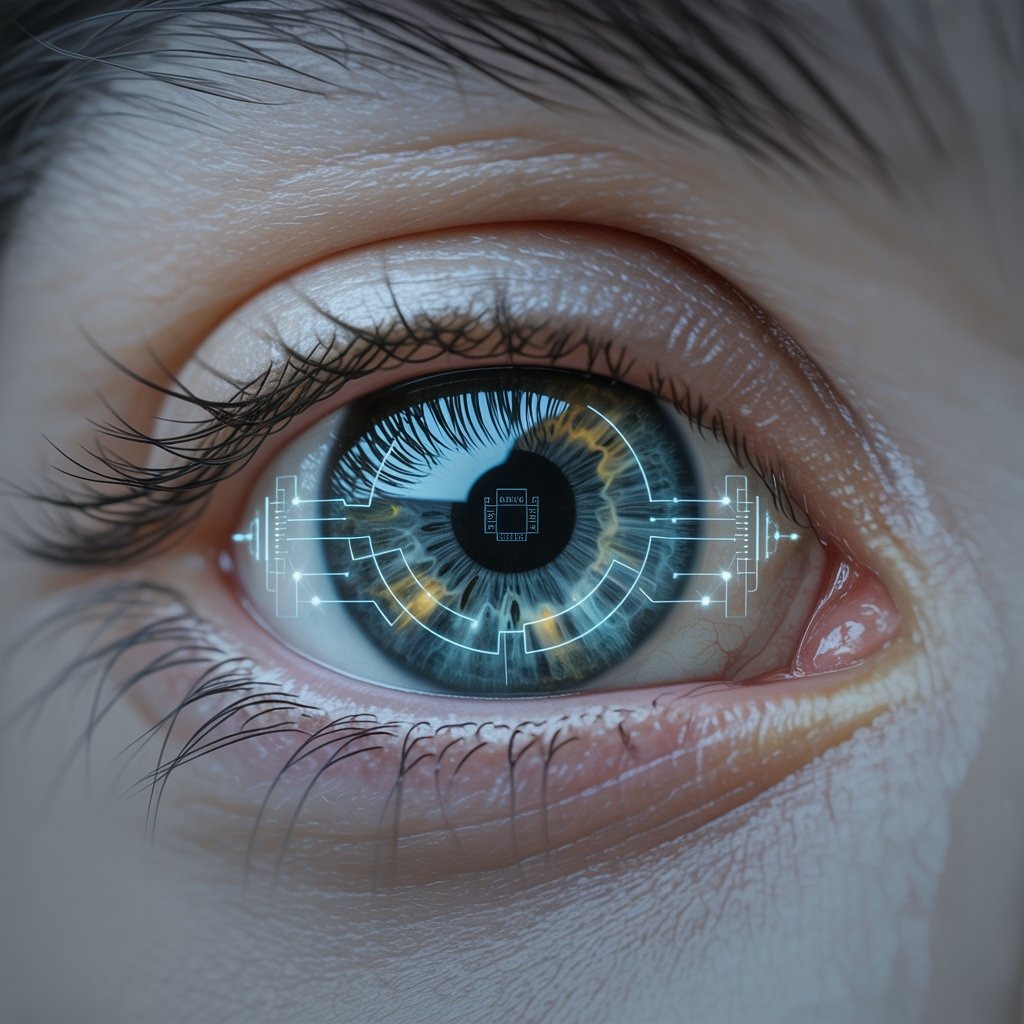
Liveness detection refers to a method of ascertaining the authenticity of a biometric sample, say a fingerprint or facial scan, to be that of a live human being or of a non-living image, video, or mask. It serves as a security measure against spoofing attacks in order to provide the biometric input with a real person who is physically present.
Attackers would find it easy to circumvent facial recognition systems without liveness detection since they can hold a high resolution photo of an authorized user or even play a video of the authorized user.
What is the value of Liveness Detection?
Although the facial recognition systems have been made quick and accurate, they are also susceptible. In a study by the University of Southern California (2020), more than three out of every five facial recognition systems were in fooling mode when unaccompanied by liveness checks using 3D masks or printed photographs.
Major considerations as to why liveness detection is important:
Security: Stops banking applications, identity checks, and mobile logins fraud.
Regulatory: Regulations like GDPR and KYC regulations require an effective identity verification process.
User Trust: Biometric systems have better chances of being adopted by the customers when they are confident that the system is secure.
Less Risk: Covers business against bad publicity and loss of money through identity fraud.
Types of Liveness Detection
Liveness detection can be categorized into two, active and passive.
1. Active Liveness Detection
This is a troublesome technique that needs involvement of the user. The active liveness detection prompts the user to do something such as:
Blinking
Turning the head
Smiling
After watching a dot on the screen.
This interaction makes the subject a living person and does not a motionless image. Nonetheless, it can have a negative effect on user experience because it entails additional actions.
2. Passive Liveness Detection
Passive techniques are in the background and do not need user interaction. They analyze features like:
Skin texture
Lighting and reflections
Depth information
Intravascular movements and blood circulation.
The passive detection method is easier and less obtrusive to use and may demand more sophisticated technology and processing capabilities.
Technologies used in Liveness Detection.
The current liveness detection systems combine both hardware and software:
3D Cameras and Depth Sensors: These scan the depth of a face to establish whether it is real or it is a flat picture.
Infrared Scanning: Checks the heat sources to confirm the presence of a living organism.
AI and Machine Learning: With the large datasets, the algorithms are trained to determine between actual and spoofed faces.
Motion Analysis: Minute involuntary movements such as twitching of the eye or breathing habits can signify signs of life.
Difficulties with Liveness Detection.
Even though it is robust, liveness detection is not invulnerable. Here are a few challenges:
Attacks via adversarial means: Deepfakes and 3D-printed masks are some of the more advanced techniques used by hackers.
False Rejections: There might be false rejection of legitimate users because of low light or camera quality.
Privacy Concerns: On-going examination of the face raises data privacy and ethical concerns.
Applications of Liveness Detection.
Banking and Financial services: To avoid identity theft in the digital onboarding process.
E-commerce and Payments: Face-based payment systems incorporate liveness checks.
Border Control and Travel: Checking the identity of passengers on automated gates.
Access in the workplace: Facial recognition with liveness detection to get access to buildings.
The Future of Liveness Detection.
The potential of liveness detection is to make the technology more accurate, user-friendly, and secure. The systems that detect deepfakes should evolve along with technological advancement of deepfake detection technology. Increased use of multimodal biometrics should be expected, where face, voice, and behavioral patterns all are checked simultaneously and prove who is authentic.
Conclusion
Liveness identification is not a luxury anymore. As we keep on incorporating biometric systems to sensitive fields such as finance, health and national security, it would be important to make sure that the system is not able to be deceived. Liveness detection is the entry barrier to biometric fraud in the digital era by integrating AI with smart sensing technology.