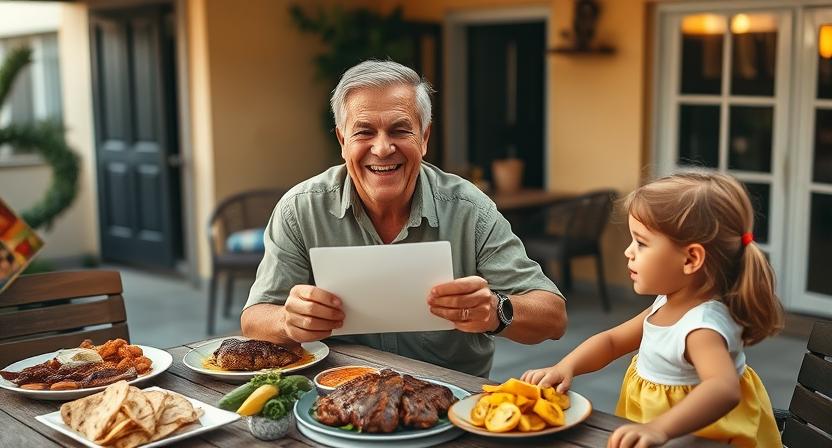
In the heart of Central America, Honduras celebrates family with a passion that is deeply woven into its cultural fabric. While Mother’s Day is a grand public holiday, the observance of Día del Padre en Honduras (Father’s Day) is a more intimate, yet equally heartfelt, affair. It is a day dedicated to honoring the fathers, grandfathers, and father figures who provide unwavering support, guidance, and love. This celebration is not marked by nationwide parades or official days off work, but by the powerful, personal gestures of gratitude within families across the country.
This article explores the traditions, significance, and unique Honduran flavor of Father’s Day, a celebration that underscores the profound respect for paternal figures in Honduran society.
When is Father’s Day Celebrated in Honduras?
Unlike fixed-date holidays like Christmas or Independence Day, Día del Padre en Honduras follows the international tradition observed in many countries, including the United States. It is celebrated on the third Sunday of June each year.
This timing influences the nature of the celebration. Being on a Sunday, it allows for families to gather without the constraints of work and school schedules. It provides the perfect opportunity for long lunches, shared activities, and uninterrupted quality time, making the day truly about family connection.
The Cultural Significance: Honoring the Patriarch
In Honduran culture, the family unit is the cornerstone of society. The father figure is traditionally seen as the pillar of the family—the provider and protector. Día del Padre is a special occasion to acknowledge this role explicitly. It is a day to move beyond the everyday and express gratitude for the sacrifices, hard work, and silent strength that fathers often demonstrate.
The celebration is also evolving. While it honors traditional paternal roles, modern Honduran families use the day to celebrate all forms of fatherhood. This includes single fathers, stepfathers, grandfathers who have stepped into paternal roles, and uncles who provide guidance and support. The core meaning is appreciation for the positive male influences in a child’s life.
Traditions and Celebrations: How Honduran Families Honor Their Fathers
The festivities for Día del Padre en Honduras are characterized by warmth, togetherness, and, of course, delicious food. The celebrations can vary from family to family, but several common threads bind them together.
1. The Family Gathering: The Heart of the Celebration
The most universal tradition is the family gathering. Whether it’s a large extended family or a small nuclear one, the day is spent together. Children, often with the help of mothers, plan the day’s activities to ensure the father feels special and relaxed. The mantra for the dad is typically, “today, you don’t lift a finger.”
2. The Culinary Centerpiece: A Special Meal
Food is a central language of love in Honduras, and Father’s Day is no exception. The meal is a highlight of the celebration. This can take several forms:
-
Home-Cooked Feast: Many families prepare a lavish meal at home. The menu often features the father’s favorite dishes. This could be a classic Honduran breakfast of baleadas (flour tortillas filled with beans, cheese, and cream) or huevos rancheros. For lunch or dinner, popular choices include:
-
Carne Asada: Grilled beef, often marinated in citrus and spices, served with chimol (a fresh tomato and onion salsa), roasted plátanos (plantains), and tortillas.
-
Pollo Frito o Horneado: Fried or roasted chicken, a beloved staple.
-
Sopa de Caracol: A rich and creamy conch soup, a specialty from the Garifuna community on the Caribbean coast, reserved for very special occasions.
-
-
Restaurant Outing: For families who want to give the cook a break and make the day even more special, going to a restaurant is a popular option. Restaurants across Honduras, from San Pedro Sula to Tegucigalpa, are bustling on this day. It’s common to see multi-generational families enjoying a meal together, creating a lively and festive atmosphere.
3. Gift-Giving: Tokens of Appreciation
Giving gifts is a common way for children to show their love. These gifts are usually practical, thoughtful, or sentimental rather than extravagantly expensive.
-
Traditional Gifts: Common gifts include new clothes (a nice shirt or pants), cologne, a favorite book, or tools for fathers who enjoy handiwork.
-
Handmade Gifts: Especially from younger children, handmade cards, drawings, and crafts are treasured by fathers. These personal creations often hold more emotional value than any store-bought item.
-
Modern Gifts: With changing times, gifts like smartphones, accessories for cars, or tickets to a sporting event are also becoming popular.
4. Religious Observances: A Foundation of Gratitude
Honduras is a predominantly Catholic country, and for many families, the day begins with a religious gesture. It is common for families to attend Sunday mass together, offering prayers of thanks for the health and well-being of the father. Some may also visit the graves of deceased fathers or grandfathers to clean the site, leave flowers, and reflect on their memory, ensuring they are included in the day’s remembrance.
Día del Padre vs. Día de la Madre: A Note on Contrast
It is important to note the difference in scale between Father’s Day and Mother’s Day in Honduras. Día de la Madre (Mother’s Day) on the second Sunday of May is a major public holiday. Schools and businesses are closed, and there are large public concerts, school presentations, and extensive media coverage.
Día del Padre, while deeply meaningful, is a more private and low-key celebration. There are no national holidays or large public events. This contrast doesn’t reflect a lesser love for fathers, but rather a cultural distinction in how that love is expressed—one is a national tribute, and the other is a intimate family celebration.
The Commercial Aspect: How Businesses Participate
While not a commercialized event on the scale of Mother’s Day, businesses in Honduras certainly recognize the opportunity. In the weeks leading up to the third Sunday of June, advertisements become more frequent.
-
Department stores and clothing shops promote special discounts on men’s apparel, tools, and electronics.
-
Restaurants advertise Father’s Day specials and encourage families to make reservations early.
-
Card shops and florists also see an uptick in business, though it is less pronounced than in May.
This commercial activity serves as a reminder of the upcoming date and provides families with ideas and options for their celebrations.
Informational FAQs about Día del Padre en Honduras
1. Is Father’s Day a public holiday in Honduras?
No, unlike Mother’s Day, Father’s Day is not an official public holiday in Honduras. Businesses and government offices operate on their normal Sunday schedules.
2. Do schools have special events for Father’s Day?
Some schools, particularly preschools and elementary schools, may hold small classroom events where children create crafts or cards for their fathers. However, these are not as elaborate or widespread as the large-scale presentations and festivals commonly held for Mother’s Day.
3. What is a typical greeting for Father’s Day in Honduras?
The most common greetings are “¡Feliz Día del Padre!” (Happy Father’s Day!) or the more affectionate “¡Felicidades, Papá!” (Congratulations, Dad!). It’s also common to hear “¡Que lo pase bien en su día!” (Have a great day on your day!).
4. How do people honor deceased fathers on this day?
It is a common and respected tradition for families to visit the cemetery where their father or grandfather is buried. They clean the gravesite, lay fresh flowers, and spend a few moments in prayer or quiet remembrance, honoring their legacy and including them in the spirit of the day.
5. Are there any specific regional traditions within Honduras for Father’s Day?
The core traditions of family meals and gatherings are consistent nationwide. However, the specific food served might reflect regional specialties. For example, families on the northern coast might be more likely to include seafood dishes like sopa de caracol or fried fish, while families in the interior might favor carne asada or chicken dishes.
Conclusion
Día del Padre en Honduras is a beautiful testament to the importance of family. Stripped of grandiose national fanfare, it remains a genuine and intimate celebration of paternal love. It is a day defined by the aroma of a special meal grilling on the stove, the sound of laughter filling a family home, and the simple, powerful act of saying “thank you” to the men who help shape lives. In its understated elegance, the Honduran Father’s Day captures the true essence of the holiday: heartfelt gratitude for the pillars of strength within the family.