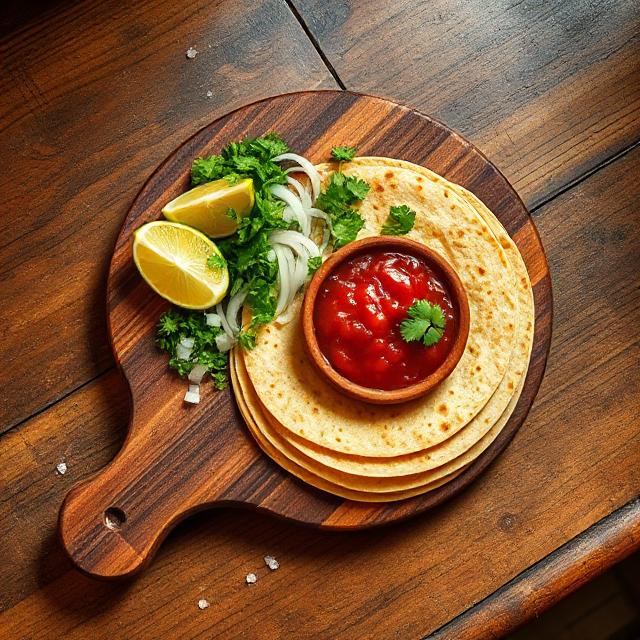
In the rich tapestry of global culinary traditions, certain elements are so fundamental they often escape notice. They are the unsung heroes of the kitchen, the humble tools and techniques that form the bedrock of flavor and community. One such element, particularly across Latin America and the American Southwest, is the tablita. More than just a simple piece of wood, the tablita is a vessel for tradition, a catalyst for social connection, and a key to unlocking some of the world’s most vibrant flavors.
At its most basic, the Spanish word “tablitas” translates to “small board” or “little plank.” However, to define it merely by its literal meaning is to miss its profound cultural significance. A tablita is a cutting board, but it is also a serving platter, a culinary workstation, and a centerpiece for gathering.
The Culinary Workhorse: Types and Traditions
The use of tablitas is deeply ingrained in food preparation, especially in contexts where fresh, hands-on cooking is paramount. They come in various forms, each suited to a specific purpose.
1. The Butcher’s Tablita (Tablita de Carnicero):
In many carnicerías (butcher shops) and home kitchens, a large, sturdy tablita is essential. Made from dense, hardwoods like mesquite, oak, or acacia, these boards are designed to withstand the impact of cleavers and the weight of large cuts of meat. This is where primal cuts are broken down into steaks for asado, where meat is trimmed for stews like birria, and where chicken is portioned for pollo a la brasa. The wood is naturally antimicrobial and gentle on knife blades, making it a superior choice for this heavy-duty work.
2. The Vegetable Prep Tablita:
A smaller, often more decorative tablita is used for the mise en place—the preparation of all other ingredients. This is where onions are diced for salsas, cilantro is chopped, garlic is minced, and tomatoes are sliced. The sound of a knife rhythmically tapping against a wooden tablita is the soundtrack to a million family meals being prepared from Mexico to Argentina.
3. The Serving Tablita (Tablita de Servir):
This is perhaps the most iconic and social use of the tablita. Instead of transferring food to individual plates, a large, beautiful wooden board is brought directly to the table, heaped with food for everyone to share. This practice fosters a sense of community and intimacy around the meal.
Common uses include:
-
Cheese and Charcuterie: A tablita might be arranged with queso fresco, panela, or cotija cheese, alongside cured meats like salchichón or chorizo seco, nuts, and fruits.
-
Antojitos: For appetizers like flautas, taquitos, or empanadas, a tablita serves as a communal platter, often accompanied by small bowls of salsa, guacamole, and crema.
-
The Centerpiece: At a barbecue or asado, the main event—the grilled meats—is often presented on a massive tablita, allowing the asador (grill master) to showcase their work before the meat is carved and served.
The Material and The Care: Honoring the Tool
The choice of wood for a tablita is not arbitrary. Different woods impart different qualities.
-
Hardwoods (Maple, Oak, Walnut): Durable and non-porous, they resist knife scars and moisture, making them ideal for heavy cutting.
-
Bamboo: An eco-friendly, fast-growing grass that is harder than many woods and highly resistant to moisture.
-
Acacia: Popular for its beautiful grain, natural water resistance, and durability.
Caring for a tablita is a ritual in itself, ensuring its longevity and hygiene. Proper care involves hand-washing with mild soap and warm water, immediate drying, and occasional seasoning with food-grade mineral oil to prevent the wood from drying out and cracking. This maintenance is a small act of respect for a tool that gives so much.
Tablitas in Culture and Celebration
The tablita transcends its functional role. It is a symbol of hospitality. Presenting food on a beautiful wooden board is a way of saying to guests, “What I have is yours; let’s share this together.” It removes the formality of individual plates and encourages conversation and interaction.
In some regions, the tablita is also part of celebratory traditions. For instance, during the Christmas season, a tablita might be used to serve buñuelos (fried dough fritters) with syrup or a selection of holiday candies and nuts. It becomes part of the festive tableau, a marker of special occasions.
The Modern Tablita: From Tradition to Trend
In recent years, the concept of the tablita has dovetailed beautifully with modern culinary trends. The global popularity of “charcuterie boards” and “grazing tables” is, in essence, a celebration of the tablita philosophy—communal, abundant, and aesthetically pleasing. While often associated with European styles, the roots of sharing food from a central board are deeply embedded in many cultures, including Latin American ones.
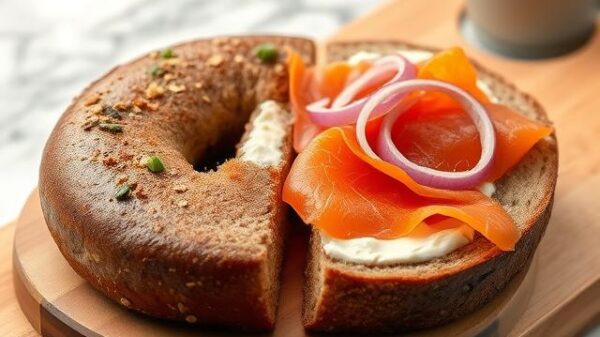
The modern home cook might use a tablita not just for traditional dishes but also for artisanal cheeses, international tapas, or even as a base for a beautifully arranged breakfast with avocado toast, fruits, and yogurt. Its versatility is its strength, proving that this ancient tool is perfectly suited to contemporary dining.
Conclusion
The tablita is a beautiful paradox: it is both a utilitarian object and a cultural artifact. It is a piece of a tree, carved and smoothed, that becomes the stage for countless meals and memories. It represents a way of cooking that is hands-on, a way of serving that is generous, and a way of eating that is communal. The next time you see a well-worn wooden board in a kitchen or a beautifully arranged platter of food at a gathering, you’ll see more than just a “small board.” You’ll see a tablita—a timeless symbol of flavor, family, and fellowship.
Informational FAQs About Tablitas
Q1: What is the difference between a tablita and a regular cutting board?
A: While all tablitas can function as cutting boards, not all cutting boards are used as tablitas. The term “tablita” carries cultural connotations, specifically within Latin American contexts, and often implies a dual use for both preparation and communal serving. A “cutting board” is a more generic, functional term.
Q2: What is the best wood for a tablita?
A: The best wood depends on its primary use. For heavy-duty cutting (like butchering), dense hardwoods like maple or oak are excellent. For general-purpose prep and serving, acacia, teak, or bamboo are popular choices due to their durability, beauty, and moisture resistance.
Q3: How do I clean and maintain my wooden tablita?
A: Never put a wooden tablita in the dishwasher. Hand-wash it with warm, soapy water immediately after use, scrub it clean, and dry it thoroughly with a towel. To maintain it, periodically rub it with food-grade mineral oil or a conditioner made specifically for wood cutting boards. This prevents the wood from drying out, cracking, or absorbing odors.
Q4: Can I use a tablita for cutting meat and vegetables?
A: Yes, but it is highly recommended to have separate tablitas or to meticulously clean the board between uses to prevent cross-contamination. Many home cooks have one dedicated tablita for raw meats and another for produce, bread, and ready-to-eat foods.
Q5: Is a tablita the same as a charcuterie board?
A: In function and form, they are very similar. The difference is primarily cultural and semantic. “Charcuterie board” is a French-derived term specifically for a board of cured meats and accompaniments. A “tablita” is a Spanish-derived term that is broader, encompassing any use of a wooden board for preparation or serving of food, from cheeses to grilled meats to chopped vegetables.
Q6: Where can I find an authentic tablita?
A: Authentic tablitas can be found in Latin American markets, specialty kitchenware stores, artisanal craft fairs, and online retailers that feature handcrafted goods from Latin America. Look for ones made from solid wood, not thin or composite materials.