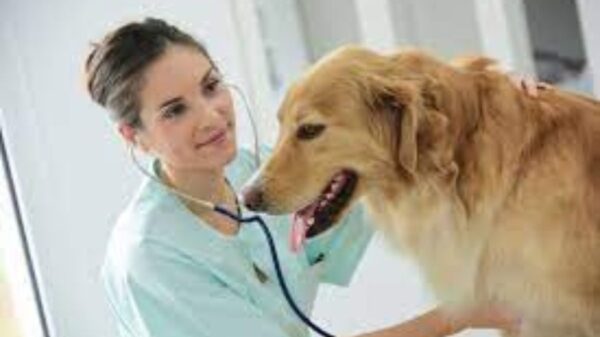
Taking care of a pet involves understanding their health needs. When illness strikes, knowing the signs helps you act quickly. You might wonder how veterinarians identify pet illnesses. In North Augusta, SC vet clinics, skilled professionals use specific methods to diagnose conditions. Pets cannot say when they feel unwell. You observe their behavior and report changes. Vets then use experience and tools to find the problem. From checking temperature to listening to heartbeats, these actions reveal much about a pet’s health. Blood tests and X-rays often provide further insight. Routine visits also help catch issues early. By learning how vets diagnose illnesses, you stay informed and prepared. This knowledge strengthens the bond with your pet by keeping them safe. Understanding these processes gives you confidence and peace of mind. Pets deserve the best care, and knowing what happens during a vet visit ensures they get it.
Common Pet Illnesses
Pets suffer from various illnesses, some more common than others. Recognizing these illnesses early helps in managing them effectively. Below are some common pet illnesses:
- Ear Infections: Common in dogs, symptoms include shaking head and scratching ears.
- Vomiting: Can affect both dogs and cats. Observe frequency and consult a vet.
- Diarrhea: Monitor duration as it can lead to dehydration.
- Fleas and Ticks: Causes itching and discomfort. Regular checks are essential.
- Obesity: Leads to other health issues. Maintain a healthy diet and exercise.
Diagnosis Methods
Veterinarians use several techniques to diagnose these illnesses. Understanding these methods helps in appreciating the complexity and care involved in veterinary diagnostics. Some common diagnostic methods include:
- Physical Examination: Vets perform a thorough check of your pet’s body for signs of illness.
- Blood Tests: These reveal problems like infections or organ issues.
- X-rays and Ultrasounds: Help in viewing internal organs and detecting abnormalities.
- Urinalysis: Used to check for kidney and urinary tract infections.
- Skin Scrapings: Identify skin conditions or parasites.
Comparison of Diagnostic Tools
| Diagnostic Tool | Purpose | Conditions Detected |
|---|---|---|
| Blood Tests | Check for infections and organ function | Infections, liver or kidney issues |
| X-rays | View bones and internal organs | Fractures, tumors |
| Ultrasounds | Soft tissue imaging | Organ conditions |
Importance of Routine Care
Routine care plays a significant role in keeping pets healthy. Regular vet visits ensure early detection of illnesses. Vets provide vaccinations, dental care, and advice on diet and exercise. A study by The American Veterinary Medical Association highlights the benefits of regular check-ups. Early detection often means simpler treatment and better outcomes.
Empowering Pet Owners
Knowledge empowers you to make informed decisions about your pet’s health. Understanding common illnesses and diagnostic methods enables you to recognize when something is amiss. This awareness helps you communicate effectively with your vet and provides peace of mind. Your dedication to your pet’s health strengthens your bond and enhances their quality of life. Remember, your pet relies on you for their well-being.
In conclusion, being informed about common pet illnesses and how vets diagnose them equips you to provide the best care. By observing changes in your pet and maintaining routine vet visits, you provide a strong foundation for their health. Your commitment to understanding and addressing these issues ensures a happy and healthy life for your furry friend.