In the ever-evolving landscape of digital technology, where clarity and immersion are paramount, the term “high definition” has become a fundamental expectation. While most consumers are familiar with mainstream acronyms like HD, Full HD, and 4K UHD, a more niche term occasionally surfaces in tech forums and product spec sheets: HydraHD. Unlike a branded product, HydraHD represents a conceptual approach to multimedia technology, embodying the multi-faceted and interconnected nature of modern high-definition experiences. This article explores what HydraHD signifies, the technology it alludes to, and its implications for the average user.
What is HydraHD? Unpacking the Metaphor
The name “HydraHD” is not an official technical standard issued by bodies like the HDMI Forum or the ITU. Instead, it is a portmanteau and a powerful metaphor derived from the mythical Lernaean Hydra—a multi-headed serpent known for its resilience and complexity. In a technological context, HydraHD symbolizes an ecosystem where multiple high-definition data streams, sources, and outputs converge and are managed simultaneously.
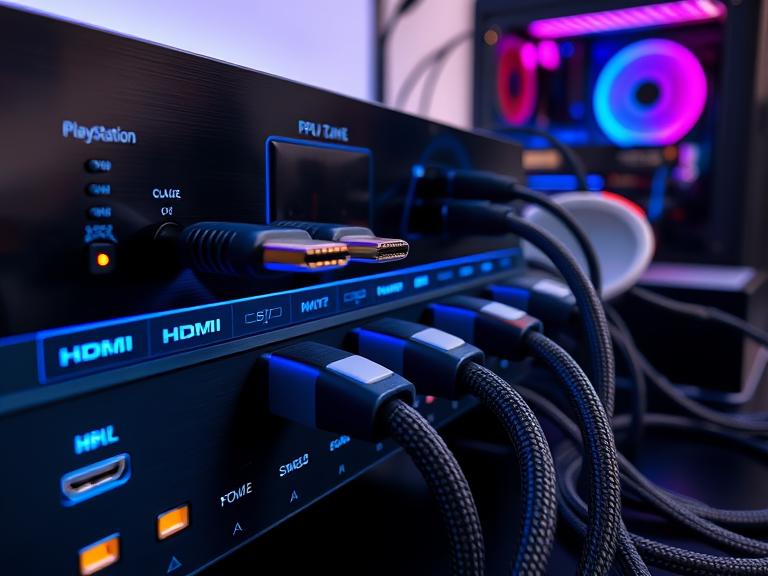
The “Hydra” represents the multitude of connections and feeds—multiple HDMI inputs on a receiver, various video streams in a production studio, or several gaming consoles connected to a single high-end display. The “HD” firmly anchors this concept in the realm of high-definition video and audio. Therefore, HydraHD is best understood as a holistic concept describing an advanced, multi-source HD environment.
The Technological Pillars of a HydraHD Ecosystem
A true HydraHD setup relies on several key technologies working in concert to manage the “heads” of the hydra without loss of quality or performance.
1. High-Speed HDMI and DisplayPort Cables: The veins of this system are the cables. Standard HDMI cables can handle up to 4K resolution, but a HydraHD setup, potentially dealing with 4K HDR at high refresh rates or even 8K content, requires premium high-speed HDMI cables (often labeled as “HDMI 2.1”) or DisplayPort 1.4 and above. These cables provide the necessary bandwidth (often 48 Gbps for HDMI 2.1) to transmit vast amounts of data without compression artifacts, ensuring the signal from each source remains pristine.
2. Advanced Switching and Matrix Systems: The heart of HydraHD is the switch or AV receiver. A simple HDMI switch might allow you to connect three PlayStation consoles to one TV port. However, a HydraHD-grade switch or an AV receiver is far more sophisticated. It features:
-
Multiple High-Bandwidth Inputs: Numerous ports that support the latest HD standards.
-
Seamless Switching: The ability to change sources instantly without handshake delays or blank screens.
-
Matrix Functionality: This is a key differentiator. A matrix switch doesn’t just select one source for one display; it can route any source to any display independently. For example, you could send a gaming PC to a monitor in one room and a Blu-ray player to a projector in another, all from a central unit.
3. High-Bandwidth Sources and Displays: The heads and the body of the hydra are the sources and displays. This includes:
-
Sources: 4K Blu-ray players, next-generation gaming consoles (PS5, Xbox Series X|S), high-end gaming PCs, 8K streaming sticks, and professional media players.
-
Displays: Modern televisions with 120Hz+ refresh rates, high-end computer monitors with G-Sync/FreeSync, and 4K/8K projectors. These devices must have the ports (HDMI 2.1) and processing power to accept and display the high-fidelity signals being sent their way.
4. Robust Audio Support: HD isn’t just about video. A HydraHD system inherently supports immersive, high-definition audio formats like Dolby Atmos and DTS:X. The central switching unit must be capable of passing through or processing these complex audio signals without downgrading them to a standard format.
Real-World Applications of the HydraHD Concept
Understanding HydraHD is easier when seen in action. Here’s how this concept applies in different scenarios:
-
The Home Theater Enthusiast: A user has a PlayStation 5, an Xbox Series X, an Apple TV 4K, and a 4K Blu-ray player. They want to connect all these to a single 8K-capable AV receiver, which then outputs to a premium 4K OLED TV and simultaneously sends a second independent audio signal to a multi-channel amplifier for a 7.2.4 Dolby Atmos speaker setup. This entire, complex web of connections and high-fidelity signals is a HydraHD system.
-
The Professional Video Editor: In a production studio, an editor might have multiple high-resolution video feeds from cameras, a color grading monitor, a client review screen, and their main editing interface. A professional video matrix switch that allows any feed to be sent to any screen with zero quality loss is a professional-grade manifestation of HydraHD.
-
The Competitive Gamer: A streamer uses a powerful PC to game in 4K at 144Hz. They also have a dedicated capture card to record gameplay and a second PC to handle streaming software. Managing the video signal from the gaming PC to the primary monitor, the capture card, and potentially a secondary alert monitor for the streaming PC requires a HydraHD-like setup to ensure no latency is added to the primary gaming signal.
Challenges and Considerations
Managing a multi-headed HD beast is not without its challenges. Users must be aware of:
-
HDMI Handshake Issues: With more devices in the chain, the potential for communication errors between sources, switches, and displays increases, sometimes leading to black screens or format mismatches.
-
Bandwidth Bottlenecks: Using an older switch or cable with a new 4K/120Hz console will create a bottleneck, forcing the console to downgrade its output, defeating the purpose of the setup.
-
Cost: High-bandwidth matrix switches, premium cables, and compatible AV receivers represent a significant investment compared to simple, consumer-grade solutions.
The Future Beyond HydraHD
As technology pushes into higher resolutions (8K), higher dynamic range, and faster refresh rates, the principles of HydraHD will only become more critical. The concept will evolve to handle even greater data loads, potentially incorporating new standards like DisplayPort 2.1 and future wireless HD transmission technologies that can manage multiple streams reliably. The hydra will grow new, more powerful heads, and the systems that manage them will need to be equally advanced.
Informational FAQs
Q1: Is HydraHD a specific brand or product I can buy?
A: No, HydraHD is not a specific brand or a product you can purchase off the shelf. It is a conceptual term used to describe a complex, multi-source, high-definition audiovisual setup.
Q2: What’s the most important component for building a HydraHD system?
A: The most critical component is the central switching unit—be it a high-quality AV receiver or a dedicated matrix switch. This device must have sufficient high-bandwidth ports (HDMI 2.1 is currently the standard) and robust processing to handle multiple HD signals without degradation.
Q3: Are all HDMI cables suitable for a HydraHD setup?
A: No. For modern setups involving 4K at 120Hz, VRR, or 8K, you need certified “Ultra High Speed” HDMI cables (for HDMI 2.1) or high-quality DisplayPort 1.4 cables. Standard or High-Speed HDMI cables will not have the necessary bandwidth and will become a bottleneck.
Q4: Can I achieve a wireless HydraHD setup?
A: While wireless video transmission technology (like WiGig and newer wireless HDMI kits) is improving, it currently lacks the reliability and ultra-low latency required for a robust, multi-stream HydraHD environment, especially for gaming. Wired connections are still the recommended standard for zero-compromise performance.
Q5: Does HydraHD only apply to video?
A: Primarily, yes, as video requires immense bandwidth. However, the concept inherently includes high-fidelity audio, as the two are intertwined in modern home theater and gaming systems. A true HydraHD system manages lossless audio formats like Dolby TrueHD and DTS-HD Master Audio alongside the video streams.