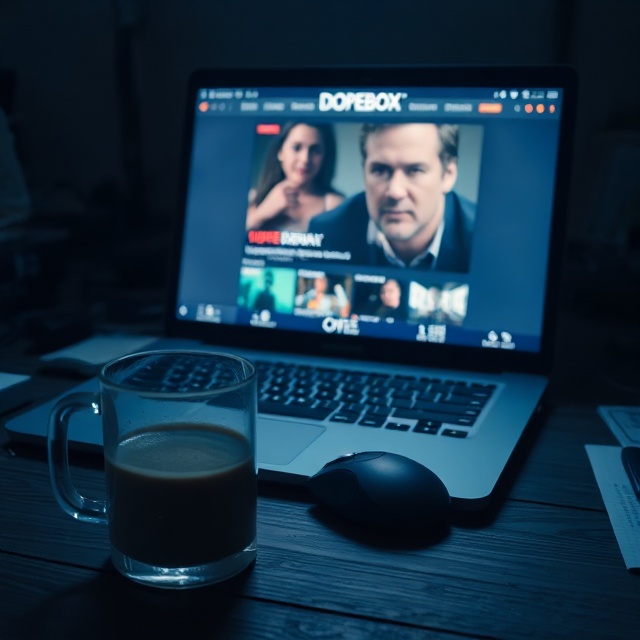
In the ever-expanding universe of digital entertainment, the quest for convenient and cost-effective content consumption has led to the rise and fall of countless platforms. Among the myriad of options, a particular category exists in a legal and ethical grey area: free streaming websites. One name that frequently surfaces in forums and casual searches is “Dopebox.” This article delves into the phenomenon of Dopebox, exploring what it represents, the significant risks it carries, and the legitimate alternatives available to viewers.
What Exactly is Dopebox?
At its core, Dopebox is a website that offers free, on-demand streaming of a vast library of movies and television shows, often including content that is currently playing in theaters or exclusively available on premium subscription services like Netflix, HBO Max, or Disney+. It positions itself as a portal to a wealth of entertainment without the monthly fees, making it an attractive lure for budget-conscious viewers.
It is crucial to understand that Dopebox is not a licensed or authorized content distributor. It does not hold the rights to the films and shows it makes available. Instead, it operates by hosting content on third-party servers or by providing links to content hosted elsewhere. These sites are typically ad-supported, generating revenue through often intrusive and malicious advertising. The domain for such sites frequently changes, hopping from one URL to another (e.g., dopebox.to, dopebox.net) to evade legal action and domain takedowns.
The Allure and the Illusion: Why People Are Tempted
The appeal of platforms like Dopebox is undeniably straightforward:
-
Cost: It’s free. In an era where the average household subscribes to multiple streaming services, the prospect of accessing content without another monthly charge is powerful.
-
Content Library: It often boasts a surprisingly comprehensive and updated library. New releases can appear on the site shockingly fast, sometimes within hours of their theatrical debut.
-
Convenience: There’s no need to create an account, input payment details, or commit to a subscription. For many, it represents the “ease of use” that early streaming promised.
However, this allure is built on a fragile and dangerous illusion. The “free” cost comes at a different, much steeper price.
The Significant Risks of Using Dopebox
Engaging with unauthorized streaming sites like Dopebox is fraught with numerous risks that extend far beyond the legal ramifications.
1. Cybersecurity Threats:
This is the most immediate and personal danger. To stay profitable, these sites rely on aggressive advertising, which is a common vector for malware.
-
Malware and Viruses: Clicking on the wrong pop-up or ad can lead to inadvertently downloading malicious software that can steal personal data, log keystrokes (including passwords and credit card information), or hijack your computer for botnet activities.
-
Phishing Scams: Pop-ups often mimic system alerts or login pages for legitimate services like your bank or email, tricking you into surrendering your credentials.
-
Ransomware: Some malware can encrypt your files, holding them hostage until you pay a ransom.
2. Legal and Ethical Implications:
While the legal focus is often on the operators of these sites, users are not entirely in the clear.
-
Copyright Infringement: Streaming copyrighted material without permission is illegal in most countries, including the United States under the Digital Millennium Copyright Act (DMCA). While individual users are rarely prosecuted due to the sheer volume, it remains a violation of the law.
-
Supporting a Black Market: Using these sites supports an ecosystem that deprives creators—from actors and directors to cinematographers and set designers—of their rightful earnings. This financial loss can impact the entire industry, potentially affecting the quality and quantity of content produced in the future.
3. Poor User Experience:
Beyond the dangers, the actual experience of using these sites is often subpar.
-
Unreliable Streams: Videos can buffer constantly, be of low resolution, or cut out entirely.
-
Incorrect Content: It’s not uncommon to click on a movie title only to be led to a completely different film or a poorly edited version.
-
Intrusive Ads: The screen can be bombarded with pop-ups, auto-playing videos with loud audio, and redirects that make navigation a frustrating chore.
4. Data Privacy Concerns:
Even if you avoid clicking on ads, your data may not be safe. These sites are often riddled with tracking scripts that harvest your IP address, browsing habits, and device information, which can then be sold to third-party data brokers or used for more targeted malicious campaigns.
Legitimate and Safe Alternatives
The good news is that you don’t have to choose between your wallet, your security, and your entertainment. Several safe and legal alternatives provide access to vast content libraries.
-
Free Ad-Supported Streaming TV (FAST): Legitimate platforms like Tubi, Pluto TV, Crackle, and The Roku Channel offer thousands of movies and shows for free. They are legal, safe, and ad-supported, but the ads are non-intrusive and vetted for safety.
-
Library Services: With a free library card, you can access services like Kanopy and Hoopla, which offer a fantastic selection of films, documentaries, and indie titles.
-
Subscription Sharing & Rotating: Instead of paying for everything at once, consider rotating subscriptions month-to-month or taking advantage of family plans with friends or family.
-
Rental Services: For the occasional new release, renting from YouTube Movies, Google Play, or Apple TV is an affordable and instant way to watch content legally and in high quality.
Conclusion
Dopebox, and sites like it, represent a high-risk, low-reward approach to entertainment. The momentary gratification of free content is vastly outweighed by the potential for severe cybersecurity breaches, the ethical cost to the creative community, and the generally poor user experience. The digital landscape offers a wealth of legitimate, affordable, and safe alternatives that respect both the viewer and the creators. By choosing these authorized pathways, you invest not only in your own digital safety but also in the future of the stories you love to watch.
Informational FAQ
Q1: Is it illegal to just watch a movie on Dopebox, not download it?
A1: The legality is complex and varies by country. In many jurisdictions, streaming copyrighted content without authorization is considered a form of copyright infringement, even if you don’t download a permanent copy. While enforcement against individual viewers is rare, it does not make the activity legal.
Q2: Can I get a virus from Dopebox just by streaming?
A2: Yes, it is possible through a tactic called “malvertising.” You don’t necessarily have to click on anything; some malicious ads can trigger downloads or initiate attacks simply by loading on the page. Using an ad-blocker may mitigate but not eliminate this risk, and many of these sites will block you from viewing content unless you disable your ad-blocker.
Q3: How do these sites exist if they are illegal?
A3: They often operate from countries with lax copyright enforcement laws. Their operators use complex networks of servers and frequently change domain names to avoid being shut down. The process of taking down one site is often met with several new ones popping up, creating a frustrating “whack-a-mole” scenario for copyright holders.
Q4: What should I do if I’ve used such sites in the past?
A4: It is highly recommended to run a full antivirus and anti-malware scan on your device using reputable security software. Consider changing passwords for important accounts (email, banking) as a precaution, especially if you reused passwords anywhere. Moving forward, adopting the legitimate alternatives mentioned above is the safest course of action.
Q5: Are there any safe “free” movie sites?
A5: Absolutely. The key is to stick to licensed and reputable services. Tubi, Pluto TV, Crackle, Peacock’s free tier, IMDb TV, and Kanopy (via your library) are all completely legal, safe, and offer a huge amount of content for free with ads.