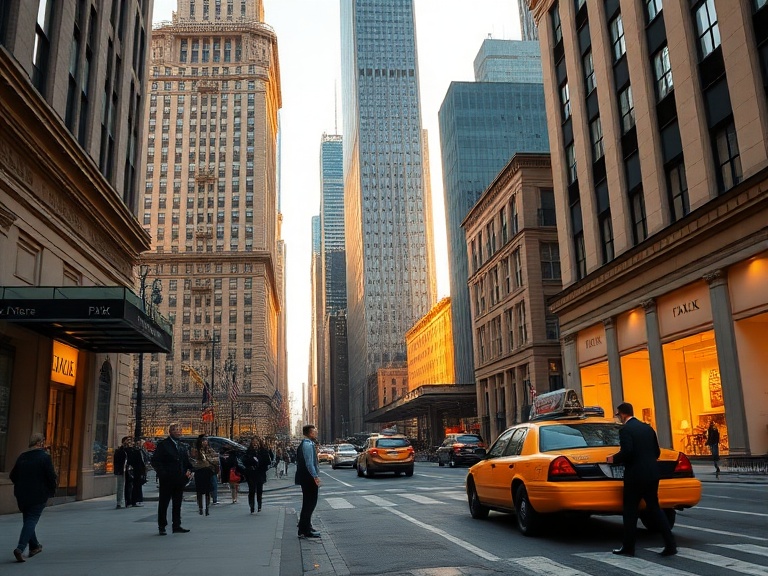
In the vast, grid-like tapestry of Manhattan, certain zip codes carry a weight far beyond their geographical boundaries. They are not merely locations; they are statements, symbols of a particular lifestyle, history, and ambition. The address East 57th Street New York NY 10022 is one such place. More than just a street in the borough’s center, this specific stretch, anchored by its iconic zip code, represents a rarefied world of luxury, culture, and architectural grandeur. It is a microcosm of the city’s highest aspirations, a corridor where old-world money seamlessly intersects with contemporary global influence.
This article delves into the multifaceted identity of East 57th Street within the 10022 zip code, exploring its historical roots, architectural marvels, cultural significance, and the unique atmosphere that makes it one of the most prestigious addresses on the planet.
The Lay of the Land: Understanding the 10022 Zip Code
Before focusing on the street itself, it’s crucial to understand the territory. The 10022 zip code is a relatively compact area primarily encompassing the eastern half of 57th Street and its immediate surroundings, stretching from Park Avenue to the East River. It sits at the southern tip of the Upper East Side, blurring the lines with Midtown Manhattan. This unique positioning grants it a dynamic character: the serene, residential feel of the Upper East Side combined with the pulsating energy of Midtown’s commercial and cultural hubs.
The heart of this zip code, and the subject of our focus, is the block of East 57th Street between Park Avenue and Lexington Avenue, often extending eastward. This is the epicenter of prestige, where the address itself becomes a powerful brand.
A Walk Through History: From The Gilded Age to Global Capital
The story of East 57th Street’s ascent to prominence is deeply intertwined with the history of New York City’s elite. In the late 19th and early 20th centuries, during the so-called Gilded Age, Fifth Avenue and its cross streets became the preferred location for the mansions of industrial tycoons, railroad magnates, and banking families. While Fifth Avenue held the prime spot, its cross streets, like 57th Street, became home to the churches, clubs, and cultural institutions that served this wealthy class.
As the 20th century progressed, the great mansions made way for a new form of urban living: the luxury high-rise apartment building. This transformation cemented 57th Street’s status. It was no longer just a street of townhouses; it was becoming a vertical neighborhood for the wealthy, offering breathtaking views and unparalleled services. The construction of iconic buildings throughout the mid-20th century established an architectural pedigree that continues to attract the world’s most discerning residents and businesses.
Architectural Icons: The Skyline of Wealth
The skyline along East 57th Street is a museum of modern and post-modern architecture. These are not merely buildings; they are statements of power and design.
-
Fuller Building (595 Madison Avenue): Often considered the gateway to East 57th Street from Madison Avenue, this iconic 1929 Art Deco skyscraper is a historic landmark. Known for its distinctive triangular shape and ornate bronze detailing, it was originally built for the Fuller Construction Company and today houses some of the world’s most prestigious art galleries and boutiques.
-
The Crown Building (730 Fifth Avenue): Standing majestically on the corner of 57th and Fifth, this 1921 Gothic- and Renaissance-inspired tower is a quintessential part of the city’s skyline. Its distinctive green copper crown, illuminated at night, is a beacon of old New York glamour. After recent renovations, it now hosts luxury brands and ultra-exclusive condominiums.
-
The Ritz Tower (465 Park Avenue): Located just off 57th Street on Park Avenue, this 1926 residential hotel was, upon its completion, the tallest residential building in the world. Its elegant, tiered design set the standard for luxury high-rise living and remains a highly sought-after address.
-
Modern Glass Towers: Interspersed among these historic landmarks are sleek, contemporary glass condominiums that represent the new wave of luxury. Buildings like One57 (157 West 57th Street, influencing the area’s prestige) and others nearby have redefined the skyline with their shimmering facades and billionaires’-row status, further amplifying the global allure of the 57th Street corridor.
The Culture of Commerce and Refinement
East 57th Street is not a sleepy residential lane; it is a vibrant thoroughfare of high culture and high commerce.
The Art Gallery Scene:
The stretch of East 57th Street, particularly in and around the Fuller Building, has been a legendary center for the fine art world for decades. Here, you will find blue-chip galleries representing some of the most celebrated artists of the 20th and 21st centuries. Walking into these hushed, elegantly appointed spaces is like visiting a museum where every piece is for sale. It is a destination for serious collectors, curators, and art aficionados from across the globe.
Luxury Retail and Bespoke Services:
While Fifth Avenue boasts flagship stores for the masses, East 57th Street offers a more curated and discreet shopping experience. Here, you are more likely to find bespoke tailors, high-end antique dealers, exclusive jewelers, and the flagship boutiques of niche luxury designers. The commerce here is often conducted by appointment, catering to a clientele that values privacy and personalized service.
Fine Dining and Culinary Excellence:
The area is a haven for gastronomes. From legendary steakhouses and power-lunch spots favored by CEOs to Michelin-starred temples of gastronomy offering innovative tasting menus, the culinary offerings are as refined as the surroundings. These establishments are not just restaurants; they are social hubs and extensions of the boardrooms and residences that populate the neighborhood.
The Atmosphere: An Unspoken Code of Exclusivity
What does it feel like to walk down East 57th Street in the 10022 zip code? The atmosphere is one of controlled, understated energy. The sidewalks are bustling, but not with the chaotic rush of Times Square. The pace is purposeful. You see well-dressed doormen hailing taxis for residents, art handlers carefully transporting priceless works, and executives stepping out for a meeting.
There is an unspoken code of exclusivity. It’s in the polished brass of the building entrances, the discreet signage of the galleries, and the impeccable maintenance of the public spaces. It is a neighborhood that demands a certain level of attainment to inhabit but offers a fascinating spectacle of urban sophistication for any visitor to observe and appreciate.
Informational FAQs About East 57th Street, NY 10022
1. Is 10022 a good zip code?
From a real estate and prestige perspective, 10022 is considered one of the best and most desirable zip codes not just in New York City, but in the entire world. It signifies luxury, security, and a central location.
2. What famous landmarks are near East 57th Street?
The area is surrounded by iconic New York landmarks, including Central Park (just a few blocks north), the Plaza Hotel, the Museum of Modern Art (MoMA), Bergdorf Goodman, and Tiffany & Co. on Fifth Avenue.
3. Is East 57th Street primarily residential or commercial?
It is a highly mixed-use area. The street level is dominated by high-end commercial establishments (galleries, boutiques, restaurants), while the upper floors of the buildings are almost exclusively luxury residential condominiums and co-ops.
4. Can the public visit the art galleries on East 57th Street?
Yes, the vast majority of the art galleries on East 57th Street are open to the public, free of charge. They operate similarly to small, private museums and welcome anyone with a genuine interest in art.
5. What is the architectural style of the buildings?
The architecture is a diverse mix. You will find historic pre-war buildings in Beaux-Arts and Art Deco styles (e.g., the Fuller Building) standing alongside mid-century modern towers and gleaming, contemporary glass skyscrapers, creating a visually compelling streetscape.
6. Why is this area so associated with wealth?
Its history as a Gilded Age enclave, the replacement of mansions with ultra-luxury high-rises, the concentration of global art markets, and the presence of bespoke retail and dining have collectively created a feedback loop of exclusivity and high cost that has sustained its wealthy character for over a century.