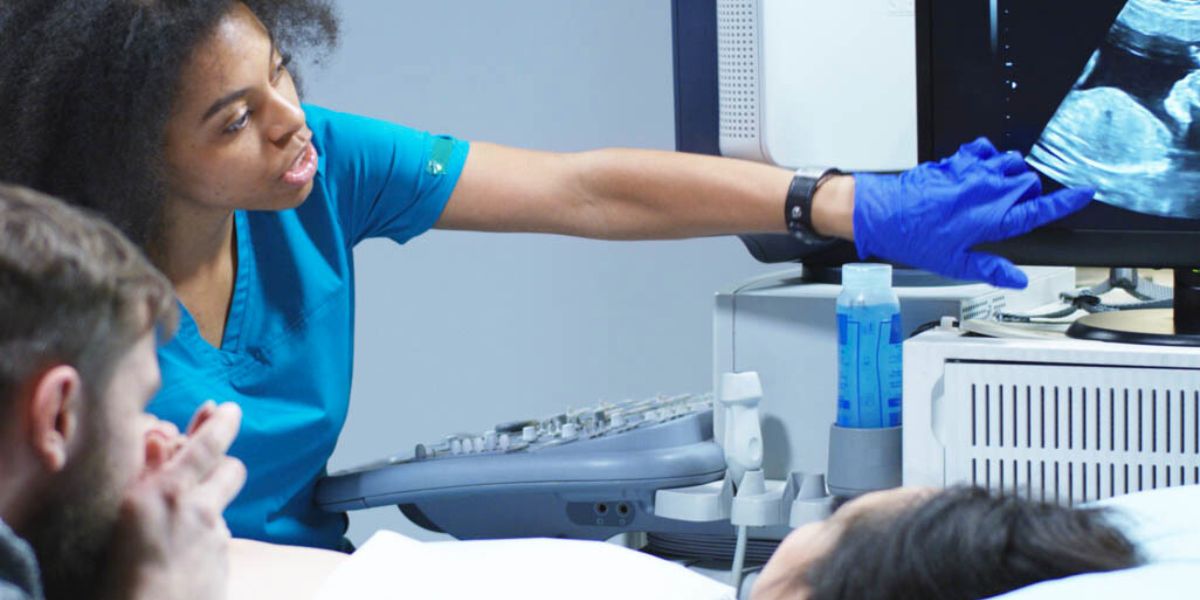
The 20-week scan, often called the mid-pregnancy or anomaly scan, is a major milestone in any pregnancy. It’s a time of excitement and anticipation — parents often look forward to seeing their baby and, in many cases, learning their baby’s sex. But this scan is also a detailed medical check designed to detect any potential health issues in the developing fetus.
Understandably, many expectant parents worry: How common is bad news at a 20-week scan? This article explores the likelihood of abnormal findings, what they might mean, and how to prepare yourself emotionally and practically for the results.
1. What Is the 20-Week Scan?
The 20-week scan is a routine ultrasound offered to pregnant women between 18 and 22 weeks of gestation. Its main purpose is to assess the baby’s development and look for signs of structural abnormalities or congenital conditions.
During the scan, the technician or sonographer will:
-
Measure your baby’s size and growth.
-
Examine the brain, spine, heart, kidneys, and limbs.
-
Check the placenta, amniotic fluid, and umbilical cord.
-
Determine the baby’s position and physical development.
2. What Does “Bad News” at the 20-Week Scan Mean?
Bad news at a 20-week scan typically refers to the discovery of:
-
Structural anomalies (e.g., spina bifida, cleft lip, heart defects).
-
Growth restrictions (baby is smaller than expected).
-
Soft markers for chromosomal conditions (e.g., Down syndrome).
-
Placental or amniotic fluid issues.
-
Fetal demise (very rare, but the most serious outcome).
It’s important to remember that not all findings are life-threatening or require intervention. Some may resolve on their own, while others may need further testing.
3. How Common Is Bad News at a 20-Week Scan?
Most 20-week scans show that everything is developing normally. However, around 2% to 5% of scans detect something that may require further investigation.
General Statistics:
-
95% to 98% of pregnancies show no major abnormalities.
-
2% to 5% may have anomalies ranging from minor to serious.
-
1 in 100 pregnancies may result in a serious condition that could affect the baby’s life expectancy or quality of life.
Keep in mind that many “abnormal” results turn out to be false positives or non-issues after further scans or tests.
4. Common Conditions Detected at the 20-Week Scan
Some of the more common issues that might be identified include:
1. Heart Defects
Congenital heart defects are among the most common findings. Some may be minor and manageable after birth, while others require closer monitoring or surgery.
2. Brain or Spinal Cord Abnormalities
Conditions like spina bifida can often be spotted during this scan. Early detection allows for better planning and possible in-utero treatment options.
3. Kidney or Urinary Tract Issues
Dilated kidneys are a common finding but are often harmless and resolve on their own.
4. Cleft Lip or Palate
Facial anomalies can be detected and treated surgically after birth.
5. Skeletal Dysplasia
This refers to issues with bone development and may require further genetic testing.
5. What Happens If Something Abnormal Is Found?
If your 20-week scan reveals a potential issue:
-
You’ll likely be referred to a fetal medicine specialist.
-
Additional tests may be recommended, such as:
-
A more detailed Level II ultrasound.
-
Fetal echocardiogram (to examine the heart).
-
Amniocentesis or non-invasive prenatal testing (NIPT).
-
-
A multidisciplinary team may discuss care plans, prognosis, and delivery options.
It’s important to stay calm and ask questions. Not all anomalies are severe, and many babies born with detected conditions go on to live full, healthy lives.
6. How to Prepare for Your 20-Week Scan Emotionally
While the odds are in your favor, it’s completely normal to feel nervous before the scan. Here are a few tips to help manage anxiety:
-
Educate yourself about the scan’s purpose and common findings.
-
Bring your partner or support person to the appointment.
-
Write down questions you want to ask the technician or doctor.
-
Understand that many findings are not definitive and often need follow-up.
7. Dealing with Bad News: What to Do Next
Receiving difficult news during your scan can be emotionally overwhelming. Here’s how you can cope:
-
Ask for clarity: Don’t hesitate to ask for an explanation or a second opinion.
-
Take your time: You don’t have to make any immediate decisions.
-
Seek support: Talk to your OB-GYN, a counselor, or a parent support group.
-
Research treatment options: Many conditions can be treated or managed with modern medicine.
-
Lean on loved ones: Emotional support can make a huge difference.
8. The Importance of Early Detection
Even though it’s scary to hear that something might be wrong, the 20-week scan offers the benefit of early diagnosis. This allows:
-
Better planning for the birth.
-
Early medical or surgical interventions, if needed.
-
A chance to prepare emotionally and practically.
9. Final Thoughts: Should You Be Worried?
While it’s natural to be concerned, remember that the vast majority of 20-week scans show no serious problems. For the small percentage that do, modern healthcare offers a wide range of resources and treatments.
So, how common is bad news at the 20-week scan? Not very common — but the scan is a vital step in ensuring the health and safety of both you and your baby. Approach it with hope, preparedness, and trust in your medical team.