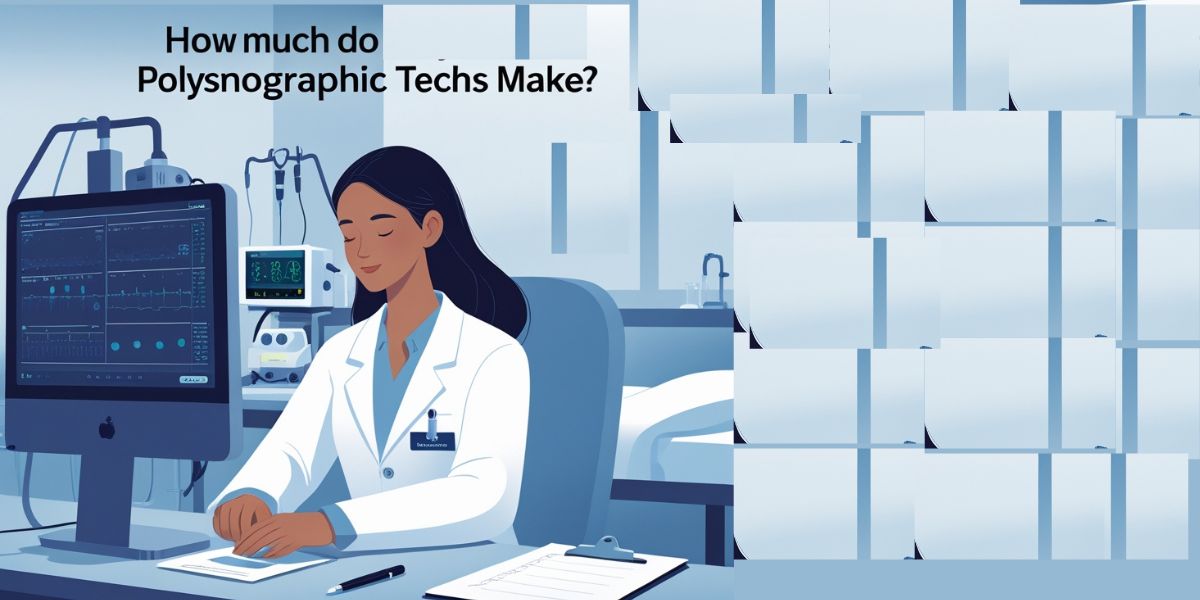
Polysomnographic technologists—often known as sleep techs—play a crucial role in diagnosing sleep disorders by conducting overnight sleep studies (polysomnograms). But how does that impact earnings, and what can professionals expect to make? This article tackles salary benchmarks, influencing factors, and career prospects in this specialized healthcare role.
1. National Average Salary
In the U.S., sleep tech salaries are solidly mid-range:
-
Indeed reports an average of $66,016 per year, with a range from $40,185 to $108,451 .
-
SalarySolver estimates $55,000–$75,000, breaking down further by experience:
-
Entry-level (0–2 yrs): $50K–$60K
-
Mid-career (3–5 yrs): $60K–$70K
-
Experienced (5+ yrs): $70K–$80K, sometimes exceeding $85K .
-
Takeaway: Average base salary centers around $60K–$70K, with potential to exceed that with time and location.
2. Hourly Wages and Regional Differences
-
WiFiTalents lists the national average hourly wage as roughly $25.23/hr, with entry pay at ~$20/hr and mid-career at ~$25.60/hr .
-
Location impacts salaries:
-
California: ~$72K/year; Texas: ~$58K; Florida: ~$54K; New York: ~$65K .
-
Oklahoma average: ~$70,102/year (OKC ~ $73K; rural to $85K+) .
-
Michigan: ~$52,824/year, with metropolitan highs near $87K .
-
Florida state avg: ~$61,500/year; San Francisco pays ~25% above national ($76.9K), Miami
3.5% below ($59K) .
-
Bottom line: High cost-of-living regions tend to pay more; rural or lower-cost regions pay less.
3. Education & Certification Influence
Primary entry paths:
-
On-the-job training or certificate programs; associate degrees are typical .
-
The RPSGT credential (Registered Polysomnographic Technologist) is the gold standard; another option is CPSGT or CST.
Impact on pay:
-
Bachelor’s degree holders earn around $66,600/year; Master’s degree holders can earn ~$129K—nearly double .
-
Entry-level pay increases from ~$20/hr (pre-certified) to mid-20s after certification; experienced (5+ years) may make $27–$38/hr .
Key insight: Advanced education and certification consistently boost earning potential.
4. Experience & Advancement
Salary progression mirrors experience:
-
Entry-level: $50K–$60K annually.
-
Mid-career: $60K–$70K.
-
Senior techs or team leads may earn $70K–$80K+ .
Redditors share real-world examples:
“I make $180k between two jobs…with RPSGT/RST/CCSH.”
“In the midwest, new registered techs make in the low‑mid $20s/hr; experienced make $30‑38/hr.”
Techs often work multiple roles or night shifts with premiums to boost earnings.
5. Employer Types and Work Settings
Different environments bring varying pay and conditions:
-
Hospitals and large medical centers tend to pay more and offer richer benefits.
-
Standalone sleep clinics and private labs may offer lower base pay but more flexible opportunities.
-
Travel sleep tech jobs include stipends (housing/meals) that inflate nominal weekly income; base pay may be modest .
6. Job Outlook and Demand
The field enjoys strong outlook:
-
BLS forecasts an 11% growth for related diagnostic roles through 2030 .
-
There’s growing demand for sleep disorder diagnostics; still, some labs may shrink as home-based testing and scoring software proliferate .
-
Sleep tech shortage is real: many areas report a lack of registered professionals .
7. Career Path and Upside
Opportunities for advancement exist but often require further education:
-
Roles: supervisor, manager, technical director, clinical educator .
-
Other options: sales or technical support for equipment vendors, teaching at training programs.
-
Many sleep techs move into nursing or respiratory therapy for broader scope and higher pay .
8. Pros & Cons
Pros:
-
Good work-life balance—often 3 nights/week or standard shifts.
-
Rewarding: directly improving patients’ quality of life.
-
Solid base salary with potential bonuses/premium pay.
Cons:
-
Night shifts can disrupt health and social life .
-
Advancement may require further credentials.
-
Some labs offer low pay pre-certification or under-staff.
Salary at a Glance (U.S. averages)
| Experience / Setting | Hourly Rate | Annual Salary |
|---|---|---|
| Entry-level (non-certified) | $20–$25 | $50K–$60K |
| Certified (RPSGT) mid-career | $25–$35 | $60K–$80K+ |
| Senior / Lead / Night premiums | $30–$40+ | $80K–$100K+ |
Top earners in high-cost states or dual-employed situations can reach $100K+ or even $180K .
Conclusion: Worth It?
Polysomnographic technology offers stable salaries, strong demand, and potential for advancement. With certification (RPSGT), experience, and strategic employment choices (hospitals, high-cost areas, night shifts), total earnings can be lucrative—especially when combined with shift differentials or moonlighting.
For those prioritizing work-life balance, direct patient connection, and career growth without extensive schooling, this field is a compelling option. Future paths into leadership, broader healthcare roles, and education also keep it open-ended.
Let me know if you’d like salary comparisons to ultrasound or respiratory therapy, or guidance on entering the field!