In a world that thrives on speed and precision, even the way we wash our clothes has transformed. Gone are the days when scrubbing a shirt with soap and warm water was the only way to deal with tough stains. Today’s modern laundry services blend technology, efficiency, and fabric science to deliver spotless garments—without compromising on fabric integrity.
Yes, you can. This guide will walk you through the safest, most effective ways to remove stubborn stains without damaging your clothes, using both home-friendly solutions and modern techniques trusted by professionals.
Understanding Stain Types: Know Your Enemy
Before treating a stain, it’s essential to identify its type. Each kind of stain responds best to a specific method—and using the wrong approach might worsen the problem.
These are a few of the most frequently encountered types of stains:
- Protein-based stains: blood, sweat, dairy, eggs
- Oil-based stains: makeup, butter, motor oil, cooking grease
- Tannin-based stains: tea, coffee, red wine, fruit juices
- Dye-based stains: ink, grass, mustard, tomato sauce
Common Mistakes That Can Damage Your Clothes
Even with good intentions, stain removal can go wrong quickly. Avoid these common errors:
- Scrubbing too aggressively: This frays the fabric, especially delicate ones like silk or rayon.
- Using hot water on protein : based stains can cause the proteins to bond with the fabric, making the stains harder to remove.
- Ignoring the fabric care label: Always check it before applying any chemicals or heat, as it provides crucial guidance for proper treatment.
- Bleaching blindly: Bleach can weaken fabric fibers, cause yellowing, and remove color.
- Drying stained clothes: Heat sets the stain, making it nearly impossible to treat later.
Modern Methods to Remove Stains Effectively
1. Start With Cold Water
Rinsing a stain with cold water helps flush out the particles without setting them. It works particularly well on protein-based and dye-related stains.Blot—don’t rub—the fabric gently.
2. Enzyme-Based Detergents
These are powerful yet fabric-safe.You’ll find many enzyme-based products available in grocery stores or online.
3. Tech-Smart Laundry Solutions
Professional laundry facilities now use AI-powered machines that detect stain type, measure detergent amounts, and optimize wash cycles. This ensures deep cleaning while protecting fabric structure.
Modern laundry services also use:
- Fabric-sensitive wash cycles
- Temperature-controlled systems
- Stain pretreatment jets
- Chemical-free, ozone-based sanitization
Safe & Natural DIY Remedies That Work
Sometimes, the best stain-fighting remedies are already in your kitchen. These natural options are gentle on fabrics and environmentally friendly:
- Baking Soda Paste (baking soda + water)
Great for deodorizing and lifting mild stains on cottons and linens. - White Vinegar + Dish Soap
A powerful combination that removes grease and food stains without relying on harsh chemicals. - Hydrogen Peroxide + Dish Soap (3:1 ratio)
Ideal for removing blood and wine stains from white or colorfast fabrics. Avoid dark or delicate materials. - Cornstarch or Talcum Powder
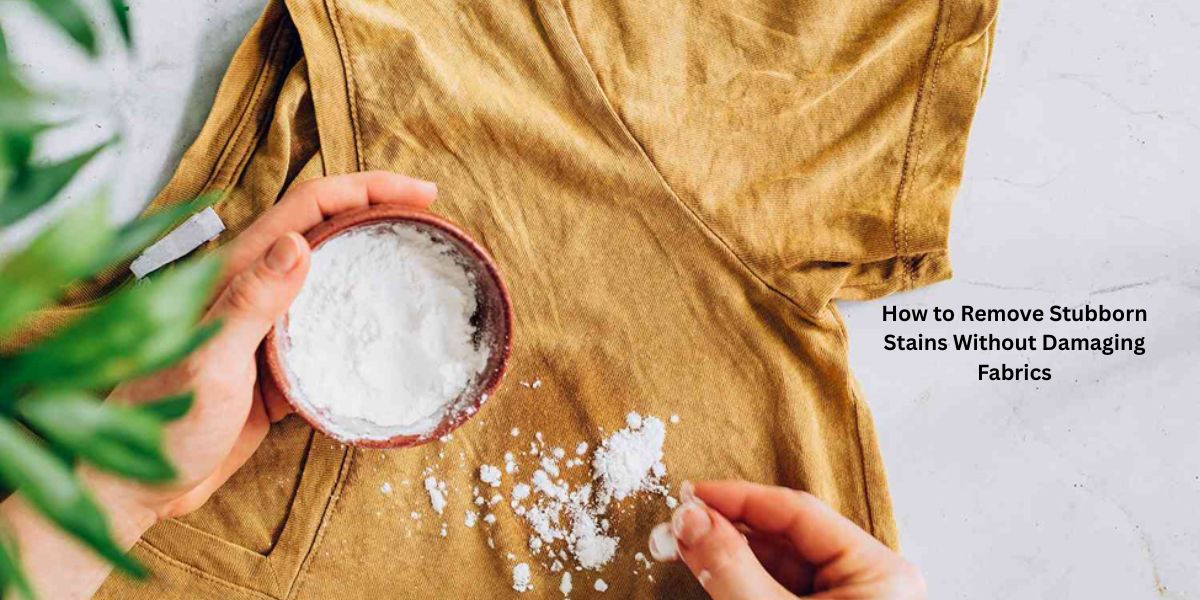
Sprinkle on fresh oil stains to absorb the grease before washing.
Fabric-Specific Stain Removal Tips
Every fabric behaves differently under stress. Here’s how to treat them safely:
- Cotton: Durable and washable—good candidate for most home remedies.
- Silk: Always spot treat gently; never wring. Dry clean if needed.
- Wool: Avoid hot water. Use gentle, wool-safe detergents.
- Polyester: Resistant but holds oily stains longer. Pre-soaking is essential.
- Rayon & Blends: Weak when wet. Avoid heavy scrubbing or wringing.
How to Prevent Damage While Removing Stains
You don’t just want the stain gone—you want your clothes intact too. Here’s how to ensure both:
- Blot instead of rub to avoid spreading or tearing fibers.
- Opt for microfiber cloths or soft, old T-shirts when applying cleaning solutions.
- Keep heat sources (such as ironing) away until the stain is completely gone.
- Avoid combining chemicals like bleach and ammonia—they can be hazardous and severely damage fabrics.
- Read care labels every time—fabric type determines your treatment method.
When to Call in the Professionals
Sometimes, it’s best not to risk it.
Consider professional help if:
- The stain is old or deeply set, such as ink, wine, or grease.
- The garment is expensive or delicate (sarees, wedding dresses, formal wear).
- You’ve already tried multiple treatments without success.
Professional facilities use advanced fabric-safe treatments, and many offer pickup and delivery for convenience.
If you want expert help without stepping out, consider using trusted laundry services that specialize in stain removal and fabric care. It’s convenient, professional, and damage-free.
Sustainable & Safe Stain Removal Practices
In today’s eco-conscious world, treating stains doesn’t have to mean harming the planet.
Here are some sustainable laundry practices:
- Use eco-friendly detergents (plant-based, biodegradable)
- Opt for reusable cloth rags instead of single-use paper towels.
- Air-dry garments to save energy and prevent fabric shrinkage
- Avoid over-washing—spot clean where possible
- Use cold water whenever possible to save energy and preserve fibers
Modern laundry is also embracing water recycling systems, ozone cleaning, and biodegradable packaging.
Conclusion
Stain removal doesn’t have to mean fabric damage. By understanding stain types, using gentle techniques, and avoiding common mistakes, you can keep your clothes fresh and intact.
Whether you prefer natural remedies or tech-smart laundry solutions, what matters most is choosing the right method for your fabric.
And when in doubt, don’t risk it—reach out to a professional laundry service that understands the science of stain removal and respects the delicacy of your wardrobe.