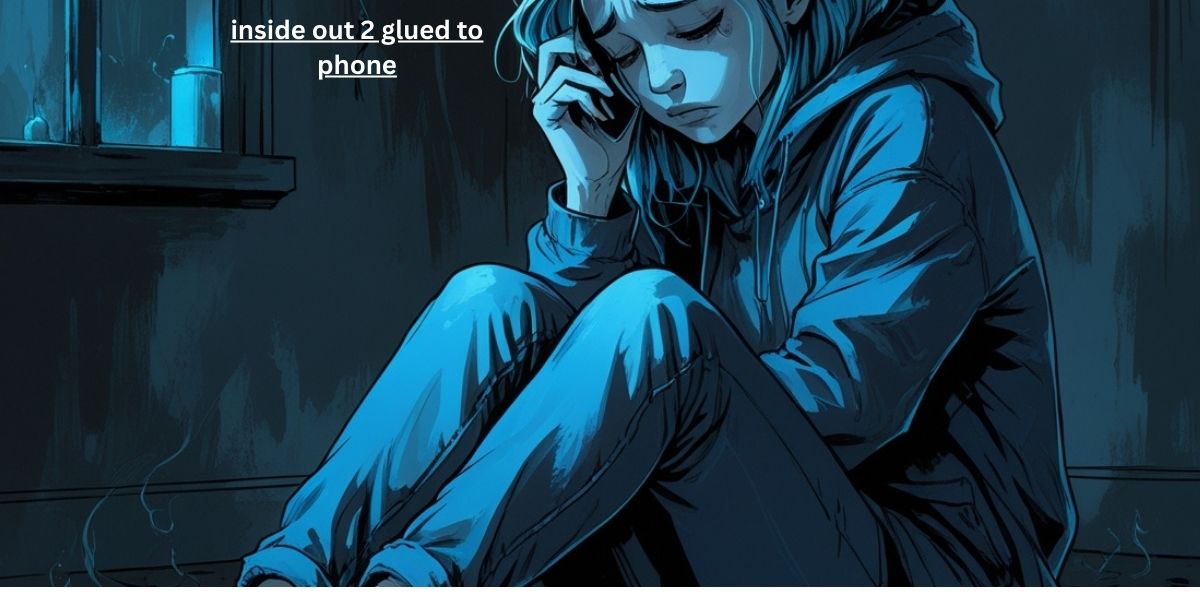
Pixar’s Inside Out 2 deepens its portrayal of teenage emotion by introducing Ennui, a new character who’s literally glued to her phone, serving as a powerful symbol of modern-day adolescent disconnection and boredom.
1. Who Is Ennui—and Why Her Phone Matters
In Inside Out 2, Riley is now 13, navigating the maelstrom of puberty and teenage life. Joining Joy, Fear, Anger, Sadness, and Disgust are four new emotions—Anxiety, Envy, Embarrassment, and Ennui (boredom). Among them, Ennui stands out: a lethargic, French-accented sloth-like figure permanently slumped over her smartphone in headquarters.
Her constant phone use isn’t just a gag—it’s an artistic choice that echoes real teens who retreat into digital spaces to escape inner conflict and external pressures.
2. A Thoughtful Omission: Why Riley Lacks Her Phone
Interestingly, Riley’s own smartphone is nowhere to be seen—she starts a weekend hockey camp phone-free, a choice that feels narratively forced given today’s inseparable teen-and-phone norm. But that absence underscores Ennui’s function: she is the device—a coping mechanism that distracts Riley from anxiety and social stress.
As The Dispatch notes, the film “somewhat clumsily avoids acknowledging the Instagram-scrolling elephant in the corner”. That intentional sidestep gives space to Ennui’s symbolic role and highlights how reliance on screens can actually dull engagement with real emotions.
3. Ennui’s Role: Commentary on Teen Distraction
This creative gambit portrays modern adolescents with more nuance than the trope of doom‑scrolling or social scroll hang-ups. Instead, Ennui’s smartphone becomes a tool of emotional management—dulling complexity and bypassing discomfort:
-
She controls Headquarters via phone, unlike other emotions who directly interact with the console.
-
When the phone is stolen, Ennui snaps into action—revealing how tethering emotions to devices can bend rather than soothe inner turmoil.
This creative choice invites viewers to reflect on how digital addiction, though comforting, may heighten rather than solve emotional distress.
4. How Critics Reacted
-
The Dispatch applauded the film’s honest depiction of adolescent anxiety but criticized the absence of Riley’s smartphone as too sanitized.
-
TIME Magazine echoed this sentiment, noting the script “smartly dispatches with Riley’s phone early in the film,” sparking talk about anxiety without actual social media.
-
Good Housekeeping pointed out Ennui’s constant phone usage, aptly describing her as “glued to her phone throughout the film”
These insights suggest that Pixar’s omission is deliberate: to let Ennui carry the metaphor of digital avoidance.
5. Visual Symbolism & Emotional Depth
From a storytelling perspective, Ennui is a visual embodiment of emotional disconnection:
-
Her smartphone isn’t just an accessory—it’s her control panel, representing distraction as a coping strategy Goover.
-
The moment she loses the phone, Ennui becomes animated—showing that emotions don’t disappear, they find other channels.
This aligns with Pixar’s theme: the mind is a dynamic network of competing feelings, and Ennui’s screen use is a symptom, not a solution.
6. Relatability for Modern Audiences
Teens today are more tethered to their phones than ever. Reddit commenters captured this vividly:
“I kept trying to doom scroll my phone during the movie to escape…”
“They even start scrolling Instagram…” in theaters
The shared experience of phone distraction resonates with Ennui’s portrayal, making her instantly recognizable—even in an animated allegory.
7. Ennui vs. Anxiety: Contrasting Distraction and Paralyzation
The film juxtaposes Ennui’s passive avoidance with Anxiety’s active hijacking:
-
Anxiety, voiced by Maya Hawke, physically storms Headquarters and rewrites Riley’s identity, paralyzing her with self-doubt.
-
Ennui withdraws—passively scrolling, disengaging, avoiding action.
It’s a potent reminder: while anxiety spells overthinking, boredom leads to under-engagement—both harming Riley’s emotional equilibrium.
8. A Conversation Starter for Families
Inside Out 2 opens valuable dialogue:
-
Families can explore whether scrolling is making them feel or hide.
-
Parents can ask teens: Is your phone Ennui or Anxiety? Sometimes distraction is defense.
By visualizing distraction as a sloth glued to a phone, the film provides a tool to talk about digital boundaries and emotional health.
9. Closing Thoughts: Digital Distraction in the Inner World
Ennui—slumped, bored, phone in hand—is more than a comedic presence; she’s Pixar’s subtle critique of smartphone reliance. Even as Inside Out 2 underplays social media’s role in teenage anxiety, Ennui foregrounds it as a coping mechanism—even if a hollow one.
Her character urges viewers to consider:
| Question | Reflection |
|---|---|
| When do you reach for your phone? | Is it to escape or engage? |
| Can distraction replace growth? | Ennui reminds us that avoiding emotion isn’t emotional health. |
While Riley’s phone isn’t on screen, Ennui’s phone is—a bold visual metaphor rooted in modern life, representing the emotionally numb calm that screens often bring.
Final Take
Inside Out 2 Glued to Phone uses Ennui’s phone-bound character to powerfully explore how teenagers—and all of us—may use screens to sidestep emotional growth. In a world shaped by digital distraction, Ennui is not just a screen-slouched sloth—she’s a mirror reflecting a common habit. And just like every other emotion in Headquarters, she deserves attention, understanding, and thoughtful conversation.
Next time you catch yourself scrolling out of boredom, think: is your own inner Ennui logging in?