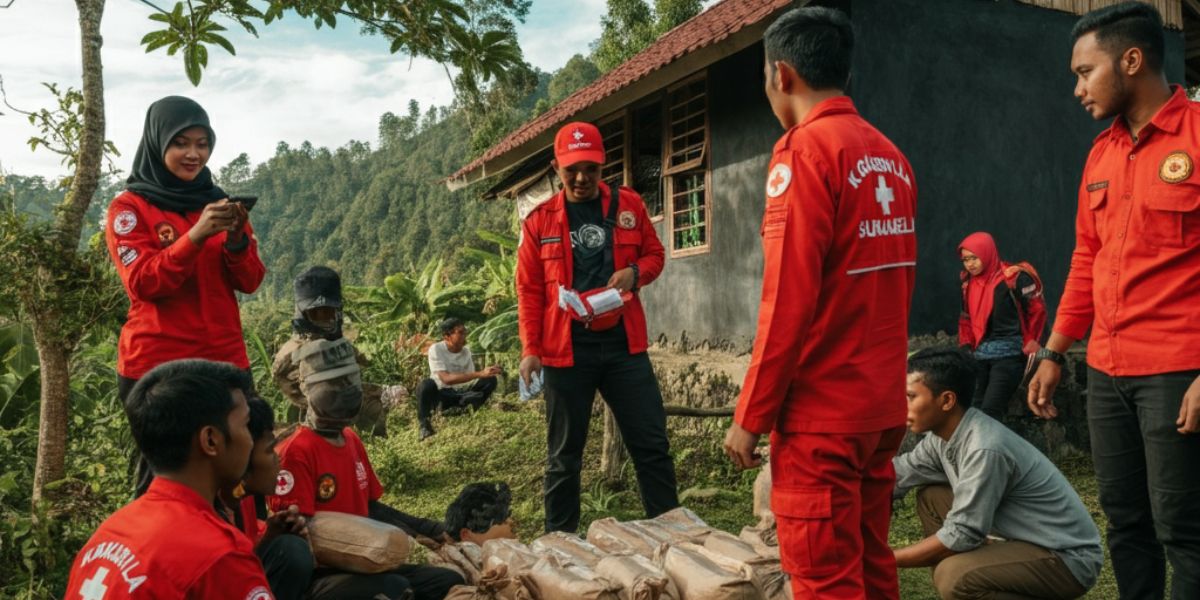
In many parts of the world, community-based volunteer groups play a critical role in disaster response, humanitarian aid, and social development. In Indonesia, one such organization known for its dedication to voluntary service is the Korps Sukarela (KSR), which translates to “Voluntary Corps.” This corps is an essential component of the Indonesian Red Cross (Palang Merah Indonesia or PMI), and its contributions span across health care, emergency response, public education, and more.
This article provides an in-depth look into what Korps Sukarela is, its objectives, structure, functions, and its importance in society today.
What is Korps Sukarela (KSR)?
Korps Sukarela is a division of trained volunteers under the Indonesian Red Cross (PMI) who are committed to humanitarian service. It is composed mainly of students, professionals, and community members who have a strong sense of social responsibility and a desire to contribute to their community.
KSR members are often seen during natural disasters, social events, health campaigns, and other community-driven initiatives. They operate based on the fundamental principles of the Red Cross and Red Crescent Movement: Humanity, Impartiality, Neutrality, Independence, Voluntary Service, Unity, and Universality.
The Mission and Objectives of KSR
The primary mission of Korps Sukarela is to provide humanitarian aid and support wherever it is needed, especially during emergencies. Their objectives include:
-
Assisting PMI in implementing its programs and activities.
-
Offering first aid and medical support during disasters or mass gatherings.
-
Conducting public awareness campaigns on health, safety, and disaster preparedness.
-
Supporting blood donation drives and health outreach programs.
-
Training the public in basic first aid and emergency response.
These goals emphasize community empowerment, resilience, and a spirit of selfless service.
Structure and Membership
Korps Sukarela is structured within PMI’s organizational framework and is divided into two main types:
-
KSR Unit Perguruan Tinggi – Formed in universities and higher education institutions.
-
KSR Unit Umum – Formed within communities or other institutions outside academic settings.
Membership is open to anyone aged 18 and above who meets certain criteria, including a willingness to volunteer, a commitment to PMI’s values, and the completion of basic training (Diklat KSR). After training, members are assigned roles based on their skills, such as logistics, health care, communication, and disaster response.
Training and Development
One of the hallmarks of KSR is its commitment to skill development. New members undergo rigorous training that covers:
-
Basic first aid
-
Disaster management
-
Psychological first aid
-
Search and rescue
-
Community-based health and hygiene
-
Public communication and advocacy
These skills not only prepare members for real-life emergencies but also equip them with lifelong competencies useful in personal and professional settings.
Advanced training programs and workshops are also offered to experienced volunteers, enhancing their capabilities and enabling them to take leadership roles within the organization.
Key Activities of Korps Sukarela
KSR units are highly active and visible across Indonesia. Their activities include:
1. Disaster Relief and Emergency Response
During natural disasters such as earthquakes, floods, and volcanic eruptions, KSR members are often on the front lines, offering aid, medical assistance, and logistical support.
2. First Aid and Medical Services
KSR volunteers provide first aid services at public events such as sports tournaments, concerts, and religious gatherings.
3. Blood Donation Campaigns
KSR units help in organizing and promoting blood drives, registering donors, and supporting PMI’s blood banks.
4. Health and Hygiene Promotion
Members visit communities to educate the public on hygiene practices, disease prevention, and reproductive health.
5. Environmental Campaigns
Some units are involved in environmental conservation activities like tree planting, clean-up drives, and climate change awareness.
Impact on Society
Korps Sukarela plays a vital role in strengthening community resilience. Their presence ensures quicker emergency response, better-prepared communities, and increased public awareness on crucial issues. Moreover, their activities often bridge the gap between government services and community needs, especially in remote areas.
Beyond their direct services, KSR fosters a culture of empathy and active citizenship among Indonesian youth. Many volunteers report increased confidence, leadership skills, and a greater sense of purpose after joining KSR.
Challenges and Opportunities
Despite its success, KSR faces challenges such as limited funding, logistical hurdles in remote areas, and volunteer fatigue. However, with better integration of digital tools, stronger partnerships, and increased public support, KSR has the potential to expand its impact even further.
There is also a growing opportunity to involve more youth and professionals through social media outreach and community-based programs. By doing so, KSR can continue to evolve and remain a cornerstone of Indonesia’s humanitarian efforts.
Conclusion
Korps Sukarela represents the heart of voluntary service in Indonesia. Through its selfless volunteers, the organization has proven time and again that ordinary people can make an extraordinary difference. As the country continues to face various social and environmental challenges, the role of KSR becomes even more vital.
By empowering individuals, educating communities, and responding with compassion, Korps Sukarela continues to uphold the humanitarian values that not only define the Red Cross movement but also reflect the true spirit of Indonesia.