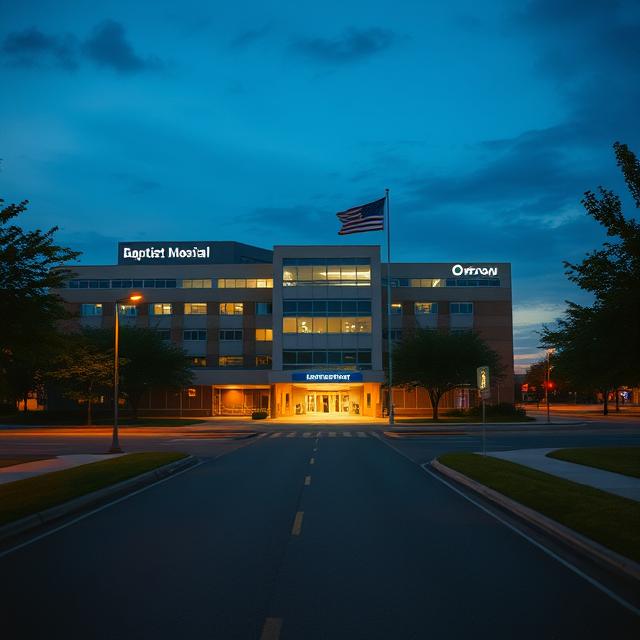
The phrase “Rowdy Oxford Integris” evokes a unique and specific intersection of two powerful forces: the vibrant, energetic, and sometimes chaotic life of a renowned university town and the critical, steady presence of a major healthcare provider. It’s not the name of a single entity but a descriptor of an environment. This article explores the dynamic relationship between a community known for its spirited academic and social scene and the healthcare infrastructure that supports it, with Integris Health as a central pillar in Oxford, a town synonymous with the University of Mississippi, or “Ole Miss.”
The Heartbeat of Oxford: Understanding the “Rowdy” Spirit
Oxford, Mississippi, is far more than a dot on the map. It’s a cultural icon, immortalized by literary giant William Faulkner and energized by the relentless pulse of a major Southeastern Conference (SEC) university. The term “rowdy” in this context is multifaceted.
On one hand, it refers to the electrifying atmosphere of game days. When the Ole Rebels play at Vaught-Hemingway Stadium, the population of Oxford swells exponentially. The Square buzzes with tailgating fans, the sound of cheering echoes through the Grove, and the community comes together in a powerful display of school spirit. This “rowdiness” is a celebrated part of the culture—a tradition of passion and camaraderie.
On the other hand, “rowdy” can also hint at the challenges that come with a large student population. Like any college town, Oxford experiences the typical ebbs and flows of student life, which can include late-night social gatherings and the occasional need for public safety resources. This constant cycle of calm weekdays and energetic weekends defines the rhythm of the city.
This duality is the essential context for understanding the role of any major institution in Oxford, especially healthcare.
The Anchor of Care: Integris Health’s Presence
While “Integris Health” is a name primarily associated with Oklahoma’s largest healthcare network, the term “Integris” in the context of “Rowdy Oxford Integris” likely serves as a stand-in for the actual local healthcare providers, most notably Baptist Memorial Hospital-North Mississippi (BMH-NM), which is the primary acute-care hospital serving Oxford and the surrounding region.
For the purpose of this exploration, we will consider “Integris” as a conceptual placeholder for the robust healthcare infrastructure that exists to serve everyone in the Oxford community—from the lifelong resident to the incoming freshman.
This healthcare system acts as the anchor amidst the town’s rowdy charm. Its responsibilities are vast and complex:
-
Game Day Readiness: On Saturdays in the fall, the hospital must be prepared for a range of medical situations, from treating heat exhaustion and minor injuries in the massive crowds to being ready for more serious trauma incidents. Emergency Department staff are acutely aware of the calendar and plan accordingly for these surges in patient volume.
-
Student Health Services: Beyond emergencies, the healthcare system supports the university’s own health services. When student clinics are closed or a case requires more advanced care, students are directed to the local hospital for everything from severe flu cases and broken bones to mental health crises. The providers must be adept at addressing the specific health concerns of the 18-22 demographic.
-
Serving the Permanent Community: The hospital is not just for students. It provides essential services to the faculty, staff, and families who call Oxford home year-round. This includes maternity care, cancer treatment, cardiac surgery, and routine medical procedures. The institution must balance its identity as a trauma-ready center for big events with its role as a trusted community hospital for everyday health needs.
The Delicate Balance: Managing the Ebb and Flow
The real challenge and expertise lie in managing the stark contrast between these two realities. A typical Tuesday in July demands a different operational tempo than a home game Saturday in October.
Healthcare administrators and staff in Oxford become experts in predictive planning. They work closely with university officials, local law enforcement, and emergency medical services to ensure seamless coordination. This might involve:
-
Staffing Flexibility: Scheduling additional nurses, doctors, and support staff for high-volume weekends.
-
Resource Management: Ensuring adequate supplies, from IV fluids and bandages to available beds, are on hand.
-
Communication Protocols: Establishing clear lines of communication between campus security, city police, paramedics, and the hospital ER to streamline patient intake during chaotic events.
This ability to scale operations up and down is a critical skill that defines healthcare delivery in a unique environment like Oxford.
Beyond the Emergency Room: A Community Partner
The relationship between the “rowdy” town and its healthcare “integrator” extends far beyond the emergency room. A strong hospital system is a major employer, contributing significantly to the local economy. It attracts top medical talent to the area, which in turn raises the standard of care for all residents.
Furthermore, community health initiatives—such health fairs, vaccination drives, and public health education—are often partnerships between the university and the hospital. They work together to promote wellness not just as a response to illness, but as a foundational community value.
Conclusion: A Symbiotic Relationship
“Rowdy Oxford Integris” is not an oxymoron; it’s a perfect description of a symbiotic relationship. The vibrant, sometimes rowdy energy of Oxford is what makes it a magnet for talent, culture, and growth. This energy necessitates a strong, resilient, and adaptable healthcare system. Conversely, the presence of a high-quality hospital makes it possible for the community to thrive safely. It allows parents to feel secure sending their students to Ole Miss, enables residents to receive top-notch care without traveling far, and ensures that whether it’s a quiet morning or a rowdy night, the health and well-being of the entire community are in capable hands.
The next time you hear the phrase, consider it a tribute to the complex, well-orchestrated dance between celebration and safety, between tradition and modernity, that defines life in this exceptional college town.
Informational FAQs
Q1: Is there actually an “Integris Health” hospital in Oxford, Mississippi?
A1: No, Integris Health is a large nonprofit healthcare network based in Oklahoma. The primary hospital in Oxford, Mississippi, is Baptist Memorial Hospital-North Mississippi (BMH-NM). The term “Integris” in the phrase is likely used conceptually to represent the local healthcare infrastructure.
Q2: What kind of medical services does the main hospital in Oxford offer?
A2: Baptist Memorial Hospital-North Mississippi is a full-service, acute-care hospital. It offers a wide range of services including a 24/7 Emergency Department, heart and vascular care, cancer treatment, women’s services (including a NICU), orthopedics, surgery, and rehabilitation services.
Q3: How does the hospital handle the massive influx of people on football game days?
A3: The hospital employs extensive surge planning. This includes increasing staff levels in the Emergency Department, coordinating closely with local EMS and law enforcement to manage patient flow, and ensuring they have ample supplies to handle a higher volume of patients, from minor injuries to more serious emergencies.
Q4: Where do Ole Miss students typically go for healthcare?
A4: Students have access to the University Health Services on campus for primary care, wellness visits, and minor illnesses. For more serious conditions, emergencies, or specialized care, students are referred to or seek treatment at the local hospital, Baptist Memorial Hospital-North Mississippi.
Q5: Why is having a strong hospital so important for a college town like Oxford?
A5: A strong hospital is vital for several reasons. It provides essential emergency care for a large, transient population (students). It serves as a key health resource for permanent residents, faculty, and staff. It also acts as a major employer, contributes to the local economy, and makes the town more attractive to prospective students, families, and businesses by ensuring a high quality of life.