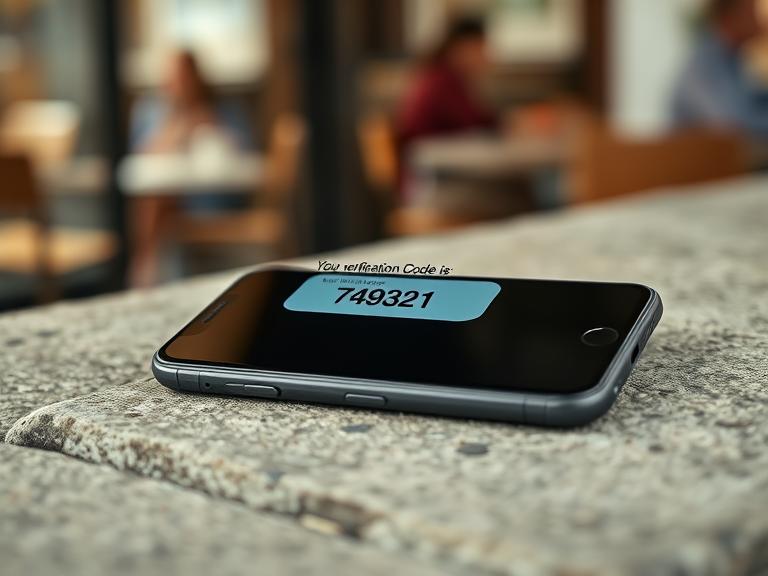
Non VOIP Number Free: In our increasingly digital world, the need for a phone number extends far beyond making simple calls. From signing up for new social media accounts and messaging apps to verifying access to online banking or securing a two-factor authentication (2FA) code, a phone number is often the key that unlocks the digital door. However, using your personal, primary number for every online service can feel risky, exposing you to spam, targeted advertising, and potential privacy breaches.
This is where the search for a free non-VOIP number begins. It’s a term you’ve likely encountered, but understanding what it means, why it’s valuable, and how to navigate the landscape of “free” options is crucial for protecting your digital identity.
What Exactly is a Non-VOIP Number?
To understand a non-VOIP number, we must first define its opposite: a VOIP number.
-
VOIP (Voice Over Internet Protocol): A VOIP number is a telephone number that is not directly tied to a specific physical phone line. Instead, it uses the internet to make and receive calls and texts. Services like Google Voice, Skype, and various other online apps provide VOIP numbers. They are incredibly flexible, often free or low-cost, and can be used on any internet-connected device.
-
Non-VOIP Number (Traditional Landline/Mobile): A non-VOIP number is a traditional telephone number assigned by a recognized carrier (like Verizon, AT&T, Vodafone, etc.) that is linked to a specific, physical device. This could be a classic copper landline or a SIM card in a mobile phone. The key distinction is its direct connection to the physical telecommunications infrastructure rather than existing solely in the digital cloud.
The Critical Importance of a Non-VOIP Number for Verification
Why does this technical distinction matter so much? Because automated systems and platforms have become very good at detecting the difference.
Many online services, especially those concerned with security, fraud prevention, or maintaining a single user per account, have implemented systems to reject VOIP numbers during the sign-up or verification process. They do this because:
-
Ease of Acquisition: A VOIP number can be obtained instantly, anonymously, and in bulk. This makes them the tool of choice for spammers, bots, and bad actors looking to create fake accounts.
-
Lack of Permanence: VOIP numbers can be discarded as easily as they are created, allowing users to bypass bans or avoid accountability.
-
Carrier Lookup: Services can perform a quick check to see which carrier owns the number’s prefix. If the carrier is a known VOIP provider (like Bandwidth.com, a backend for many VOIP services), the system can flag or reject it.
A non-VOIP number, by contrast, is harder to obtain anonymously. It typically requires a identity check, a contract, or at least purchasing a physical SIM card. This layer of friction makes it a more trustworthy identifier in the eyes of websites like:
-
Social Media Platforms (Facebook, Instagram, Twitter/X, Telegram)
-
Messaging Apps (WhatsApp, Signal)
-
Financial and Cryptocurrency Exchanges (PayPal, Coinbase)
-
Email Services (Gmail, Outlook for new account recovery)
-
Ride-Sharing and Gig Economy Apps (Uber, DoorDash)
The Landscape of “Free” Non-VOIP Numbers: Realistic Expectations
This is where the promise of “free” meets reality. It is essential to approach this topic with a clear understanding.
Is a truly, permanently free non-VOIP number realistic?
In most cases, no. Acquiring a legitimate, carrier-owned mobile number requires a subscription plan or paying for a prepaid SIM card. The infrastructure and regulatory costs involved mean someone has to pay for it.
However, the term “free non-VOIP number” typically refers to one of two scenarios:
-
Temporary or Burner Numbers: These are services that provide you with a real, non-VOIP number for a very short period—often just enough time to receive a single verification SMS. The number is then recycled. These are “free” but come with significant limitations.
-
Freemium Models: Some apps offer a free number but monetize through premium features. You might get a free number, but outgoing calls or texts cost credits, or you see advertisements.
Methods for Obtaining a Free Non-VOIP Number (Temporary Solutions)
If you need a number for a one-time verification, these methods can be viable. Exercise caution and never use them for highly sensitive accounts like banking.
-
Prepaid SIM Cards: The most legitimate way to get a free number is often to get a free SIM card. Many mobile carriers offer promotional prepaid SIMs for free (you might just pay for shipping). Once activated, you have a fully functional, non-VOIP number. You may need to add a small amount of credit to keep it active, but the number itself is free to receive calls and texts.
-
Friends and Family: The simplest and most secure method is to ask a trusted friend or family member if you can use their number to receive a single verification code. This is a truly free and non-VOIP solution, though not a permanent one for your own use.
-
Online SMS Reception Websites: Sites like receive-sms-free.cc, sms-online.co, and others list publicly available phone numbers you can use to receive SMS. Major Warning: These numbers are public and used by countless people. They are absolutely not private and should only be used for testing or accessing very low-stakes websites. Do not use them for any service that contains your personal information.
-
Mobile Apps: Certain apps in app stores promise free numbers. Scrutinize these carefully. Many are simply front-ends for the same public number databases or are ad-supported freemium models. Check reviews and privacy policies meticulously.
The Risks and Limitations of Free Services
“Free” almost always comes with a trade-off. When dealing with free number services, be aware of these risks:
-
Privacy and Security: Using a public number for a private account is a severe security risk. Anyone else who has access to that number could potentially intercept your verification codes.
-
Reliability: Free services can be unreliable. The number might not work when you need it most, or it could be banned by the service you’re trying to sign up for between the time you get the number and the time you use it.
-
Data Harvesting: The business model of many free services is to collect user data. Your IP address, device information, and the services you verify could be tracked and sold.
-
Not for Long-Term Use: These are not solutions for a permanent secondary number. They are temporary, disposable tools.
A More Secure Alternative: Low-Cost Prepaid Plans
For a more reliable and secure solution, consider investing a small amount of money. Purchasing a cheap prepaid SIM card from a local store (often for under $10) gives you a private, secure, and legitimate non-VOIP number that you control. This is the recommended method for anyone who needs a stable number for 2FA or a secondary contact method without using their primary number.
Informational FAQs
Q1: Can I get a completely free permanent non-VOIP number?
A: It is highly unlikely. Permanent numbers require ongoing carrier costs. The closest you can get is a long-term prepaid SIM that you top up minimally to keep active, or a freemium app where the number is free but features are limited.
Q2: Why did my verification fail with a “VOIP number not allowed” error, even though I used a free app?
A: The verification system detected that the number you provided is assigned to a VOIP carrier. Many apps that advertise “free numbers” are, in fact, providing VOIP numbers, or the number you received has already been flagged as a VOIP number by the service you’re signing up for.
Q3: Is it safe to use my personal number for online verifications?
A: For trusted, established services (like your bank or primary email), it is generally safe. However, for less reputable websites, apps, or online marketplaces, using a secondary number (like a prepaid SIM) is a safer practice to avoid spam and protect your privacy.
Q4: What’s the difference between a burner app and a non-VOIP number?
A: Many “burner” apps provide VOIP numbers, which are useful for calling and texting but often fail at verifications. A true non-VOIP burner number would be a physical prepaid SIM card that you use temporarily.
Q5: Are free online SMS reception sites legal?
A: The sites themselves operate in a legal gray area, but using them to verify an account may violate the Terms of Service of the platform you’re signing up for. It is not recommended for anything important.