In the vast and ever-evolving lexicon of the internet, new terms emerge from the digital ether with startling regularity. Some are born from memes, others from typos that take on a life of their own, and a select few are deliberately crafted to signify a specific niche or community. The term “okfrut” falls intriguingly into this latter category, representing a fascinating case study in how online communities cultivate their own unique language and identity. This article delves into the world of Okfrut, exploring its potential origins, its cultural significance, and its role within the digital landscapes it inhabits.
To understand Okfrut, one must first abandon the search for a direct, dictionary-style definition. It is not a product, a company, or a place. Instead, Okfrut is best understood as a conceptual label, a digital flag flown by a specific community to signify a particular aesthetic or ethos. The term is most prominently associated with a specific style of digital and abstract art that thrives on platforms like TikTok, Reddit, and niche online forums.
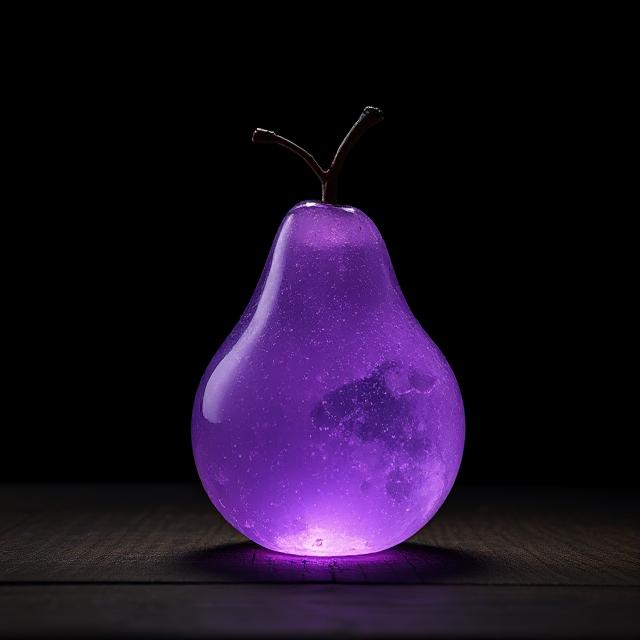
The aesthetic commonly tagged with #okfrut is characterized by a surreal, often glitchy, and nostalgically tinged visual language. Imagine early 2000s web graphics colliding with vaporwave sensibilities, filtered through a dreamlike, sometimes slightly eerie, lens. Common motifs include low-poly 3D models, distorted textures, mundane objects placed in impossible spaces (like a fruit bowl floating in a starry void), and a color palette that leans heavily into pastels, neons, and deep, moody blues and purples. The name itself, “Okfrut,” seems to be a deliberate misspelling or amalgamation of words, possibly “okay” and “fruit,” which aligns with the community’s penchant for the absurd and the recontextualization of the ordinary.
The Cultural Significance of a Niche Label
The rise of terms like Okfrut is a testament to the internet’s power to foster micro-communities. In an age of algorithmic content delivery, users with highly specific interests can find each other with ease. The #okfrut tag acts as a beacon, drawing together artists, collectors, and enthusiasts who share an appreciation for this particular brand of surreal digital art.
For creators, using the Okfrut label is a way to signal their work’s alignment with a certain creative philosophy. It’s less about technical mastery and more about evoking a specific feeling—a blend of nostalgia, curiosity, and digital dissonance. This creates a shared vocabulary that allows for collaboration, inspiration, and mutual support without the need for rigid formal definitions.
For the audience, engaging with Okfrut content is an act of participatory culture. Liking, sharing, and commenting on these posts helps to curate the aesthetic’s boundaries and propagate its themes. The ambiguity of the term is its strength; it invites interpretation and personal connection, allowing each viewer to project their own meaning onto the art.
The Artistic Process Behind the Aesthetic
Creating art that fits the Okfrut vibe often involves a mix of modern and retro techniques. Artists might use contemporary 3D modeling software like Blender alongside older image-editing tools or filters that mimic the look of early computer graphics. The process is highly experimental, embracing “happy accidents” like rendering glitches or texture errors and incorporating them into the final piece.
Thematic elements are crucial. Recurring subjects include:
-
Fruit and Organic Forms: Rendered in unnatural colors or materials (e.g., a crystalline apple, a fuzzy grape).
-
Geometric Shapes: Primitive 3D shapes like spheres, cubes, and cylinders are common, often with imperfect, slightly distorted surfaces.
-
Everyday Objects: Items like CRT monitors, vintage telephones, or household appliances are placed in abstract environments, stripping them of their function and turning them into sculptural objects.
-
Ambient and Lo-Fi Music: While primarily visual, the Okfrut aesthetic is often paired with ambient, drone, or lo-fi music in video formats, enhancing the dreamlike and immersive quality.
This blend of the familiar and the utterly alien is what gives Okfrut art its distinctive and captivating power.
Okfrut and the broader “Core” Aesthetic Movement
Okfrut did not emerge in a vacuum. It is part of a larger trend online often referred to as the proliferation of “core” aesthetics—think of cottagecore, normcore, or weirdcore. These are micro-aesthetics that bundle a set of related visual, auditory, and cultural elements into a recognizable, though fluid, package. Okfrut shares DNA with movements like vaporwave (for its nostalgia and critique of consumerism), weirdcore (for its surreal and often amateur-digital feel), and traumacore (though it is generally less intense and more focused on abstract melancholy than personal trauma).
What sets Okfrut apart is its specific, almost inside-joke quality. The term itself is obscure enough that discovering it feels like finding a secret club. This obscurity is a valued feature, not a bug, within the community.
Conclusion: The Future of a Digital Micro-Aesthetic
The lifespan of internet-born aesthetics can be fleeting. What is trendy today may be forgotten tomorrow. However, the significance of phenomena like Okfrut lies not in their permanence, but in their existence as proof of vibrant, creative subcultures.
Okfrut represents a collective creative endeavor to find beauty in the digital strange, to forge connections through shared but obscure references, and to build a world that exists purely for artistic expression and community enjoyment. It is a reminder that the internet, for all its noise and chaos, remains a powerful canvas for human imagination. Whether the term “Okfrut” itself endures or evolves into something new, the creative spirit it represents will undoubtedly continue to flourish in the corners of the web where the weird and wonderful are celebrated.
Informational FAQ
Q1: Is Okfrut a brand or a company?
A: No, Okfrut is not a commercial brand, company, or product. It is an informal term used to describe a specific niche aesthetic and community centered around a style of surreal digital art.
Q2: Where did the name “Okfrut” come from?
A: The exact origin is unknown, as is common with many internet subcultures. It appears to be a purposeful and quirky misspelling or combination of words, likely “okay” and “fruit,” which aligns with the aesthetic’s use of ordinary objects in extraordinary contexts.
Q3: Where can I find Okfrut content?
A: The best places to explore Okfrut art are on social media platforms that are visual and community-driven. Searching the hashtag #okfrut on TikTok, Instagram, and sometimes Reddit or Tumblr will yield the most results. Be aware that content under this tag can be varied due to its interpretive nature.
Q4: Can I create Okfrut-style art?
A: Absolutely. The aesthetic is open to interpretation and experimentation. There are no strict rules. If you’re interested, you can start by using accessible 3D software like Blender, playing with glitch art filters, and focusing on creating surreal, moody, and often nostalgic digital scenes that juxtapose mundane objects with abstract environments.
Q5: Is there a meaning or message behind Okfrut art?
A: The meaning is largely subjective and up to the viewer and creator. Generally, it is not overtly political or commercial. It tends to evoke feelings of nostalgia, curiosity, dreamlike wonder, and sometimes a gentle, abstract melancholy. The primary purpose is often aesthetic exploration and emotional resonance rather than delivering a specific message.