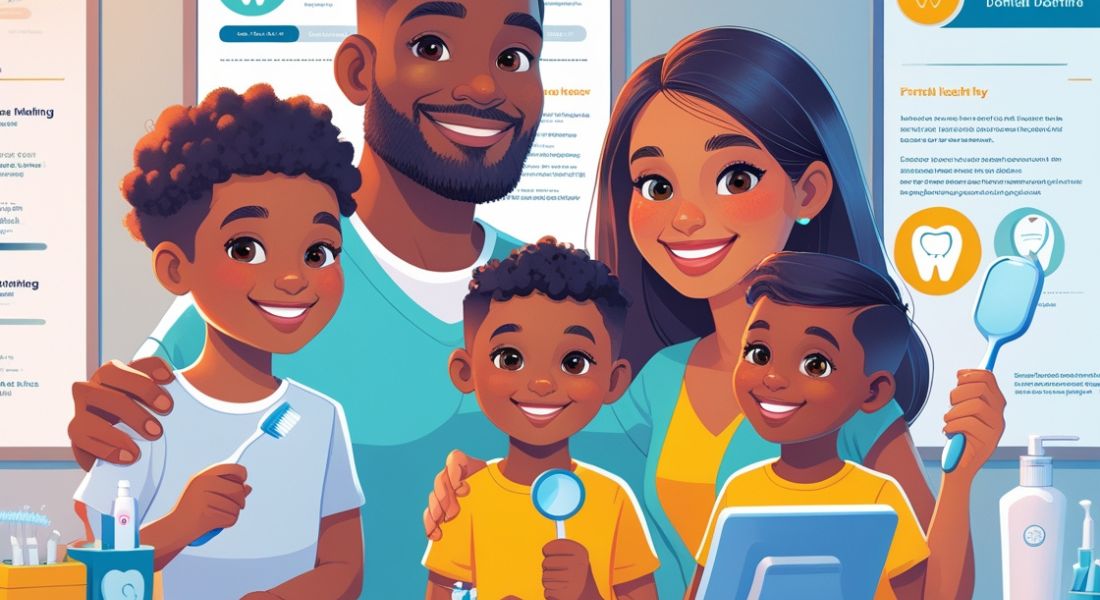
You play a crucial role in maintaining your family’s dental health. Preventive care is essential. It helps avoid painful and costly dental problems. Regular check-ups are vital. They help catch issues early. At Ventura family dental, you’ll find services focused on prevention. This includes cleanings and exams for every family member. Prevention often means fewer fillings and healthier smiles. You also practice basic habits at home. Brushing twice a day and flossing once daily are simple yet powerful. These steps prevent plaque and cavities. The benefits extend beyond just teeth. Healthy gums support overall health too. When you prioritize prevention, you foster a lifetime of good habits. Plus, it’s about more than physical health. A healthy smile boosts confidence and well-being. You give your family the tools they need to thrive. Start with regular visits and good daily habits. You build a strong foundation for lasting dental health.
Understanding Preventive Care
Preventive care in dentistry is about stopping issues before they start. It focuses on keeping your teeth and gums healthy through regular check-ups and cleanings. You might wonder why preventive care is emphasized so much. This approach is less about fixing problems later and more about maintaining health continuously.
Essential Daily Habits
Your daily habits are the first line of defense. Consistent brushing and flossing remove food particles and bacteria. These routines prevent plaque buildup. You also need to use fluoride toothpaste. It strengthens the tooth enamel, making it more resistant to decay. Teach these habits to your children early. They will likely carry them into adulthood.
Regular Dental Visits
Your family should see a dentist every six months. These visits include professional cleanings and exams. They help catch small issues before they turn into big problems. X-rays might also be taken to detect unseen issues. A dentist provides personalized advice on maintaining oral health. These regular visits are an investment in your family’s future health.
Comparing Preventive and Reactive Care
| Aspect | Preventive Care | Reactive Care |
|---|---|---|
| Focus | Prevention and maintenance | Treatment after problems arise |
| Cost | Lower over time | Higher due to advanced treatments |
| Comfort | Less painful procedures | Can involve discomfort |
Benefits Beyond Oral Health
Dental health is connected to overall health. Gum disease is linked to heart disease and diabetes. Maintaining good oral hygiene can reduce these risks. Oral health is also linked to mental well-being. A healthy smile improves self-esteem and social interactions. It is about more than appearance. Dental health supports a healthy life.
Creating a Family Plan
Discussing a plan with your family dentist is helpful. Together, you can set up a schedule for regular check-ups. This includes deciding on fluoride treatments or sealants for children. These discussions ensure everyone in your family receives the care they need. A proactive approach strengthens your family’s dental health journey.
Utilizing Community Resources
Many communities offer resources for families looking to improve dental health. Local health departments and schools may provide information or free screenings. You can also contact the National Institute of Dental and Craniofacial Research for educational resources. These resources make dental care more accessible for everyone, regardless of financial status.
Conclusion
Preventive care is a powerful tool for your family’s dental health. It saves money and reduces discomfort. More importantly, it fosters a lifetime of healthy habits. You create a supportive environment by encouraging regular visits and maintaining daily routines. It’s more than just avoiding cavities. It’s about supporting overall health and confidence. With informed choices and a proactive mindset, you guide your family towards a future of good dental health.