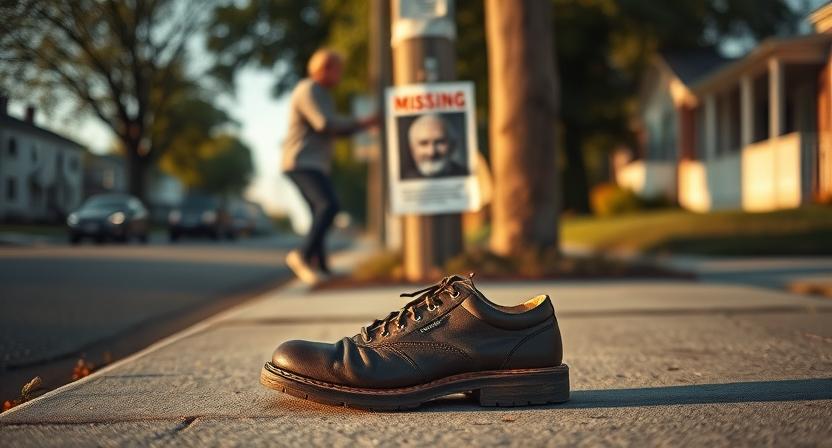
The city of Everett, Massachusetts, a vibrant and densely populated community just north of Boston, is defined by its tight-knit neighborhoods and a strong sense of civic pride. But beneath the familiar hum of city life, a chilling event can unfold that unites residents in a shared mission of concern and urgency: the disappearance of an elderly loved one. When an Everett Massachusetts missing elderly man is reported, it triggers a complex and emotional chain of events that highlights the vulnerabilities of some of our most cherished community members and the incredible power of a community mobilized.
This article delves into the critical process that follows such a disappearance, the specific challenges faced in an urban environment like Everett, and the essential resources available to families in crisis. It is an informational guide to understanding the response, the challenges, and the hope that persists in the face of uncertainty.
The Critical First 24 Hours: A Race Against Time
When an elderly individual is reported missing, there is no waiting period. Law enforcement agencies, including the Everett Police Department, immediately initiate a search protocol. The first 24 hours are universally recognized as the most critical. During this window, the chances of locating the individual safe and sound are highest.
Immediate Actions by Law Enforcement:
Police will swiftly gather essential information: a recent photograph, a detailed physical description (including clothing last worn), any medical conditions (such as dementia, Alzheimer’s, diabetes, or a heart condition), and known routines or favorite locations. They will also work to obtain any critical identifiers like scars, tattoos, or medical bracelets.
Activating Silver Alerts:
In cases involving seniors with cognitive impairments, the Massachusetts State Police can issue a Silver Alert. This public notification system, similar to an AMBER Alert for children, broadcasts details of the missing person to the public via highway signs, media outlets, and wireless emergency alerts. This system is instrumental in engaging millions of eyes across the state in the search effort.
The Unique Challenges of an Urban Search in Everett
Searching for a missing person in a city like Everett presents a distinct set of challenges not always present in suburban or rural areas.
-
High Population Density: Everett is one of the most densely populated cities in New England. While this means more potential witnesses, it also creates a complex web of streets, multi-family homes, apartment complexes, and commercial areas to canvass thoroughly.
-
Public Transportation Access: Everett is served by the MBTA bus system and is adjacent to major transit hubs. A disoriented individual could easily board a bus or train, rapidly expanding the search radius to all of Greater Boston and beyond in a short amount of time.
-
Numerous Hiding Places: An urban landscape offers countless nooks and crannies—alleys, stairwells, parking garages, and abandoned lots—where a confused or frightened person might seek shelter, making them extremely difficult to spot from the street.
-
Environmental Stressors: The constant noise, traffic, and visual stimuli of a city can be overwhelming and disorienting for anyone, but especially for an elderly person with cognitive issues. This can cause them to become more confused and less likely to seek help or respond to their name being called.
The Community Rallies: The Power of Grassroots Efforts
While law enforcement leads the official investigation, the role of the community is irreplaceable. In Everett, it is common to see an outpouring of support that includes:
-
Organized Search Parties: Family, friends, and volunteers often coordinate with police to conduct systematic ground searches of parks, walking paths, and neighborhoods.
-
Flyer Distribution: Volunteers blanket the city with flyers containing the missing person’s photo and information, ensuring local businesses, libraries, and community centers are aware.
-
Social Media Mobilization: Community Facebook groups, neighborhood apps like Nextdoor, and Twitter become vital tools for sharing information rapidly and organizing efforts. A single post can be shared thousands of times, reaching corners of the city that official alerts might miss.
This collective action is not just practical; it provides emotional support to the grieving family, demonstrating that they are not alone in their ordeal.
Understanding the “Why”: Common Reasons for Wandering
To prevent and effectively respond to these incidents, it’s crucial to understand why an elderly person might go missing. It is rarely a simple case of getting lost.
-
Dementia and Alzheimer’s Disease: This is the most common factor. Conditions like Alzheimer’s can cause confusion, memory loss, and a phenomenon known as “wandering,” where the individual may leave their home with a purpose in mind (like going to a former workplace or childhood home) but become disoriented and unable to return.
-
Medical Events: A sudden medical issue, such as a stroke, diabetic shock, or a urinary tract infection (UTI)—which can cause sudden confusion in the elderly—can lead to disorientation and disappearance.
-
Undiagnosed Cognitive Decline: Sometimes, a disappearance is the first major indicator that an individual is experiencing significant cognitive impairment that may have gone unnoticed by family members.
-
Stress or Change in Routine: A disruption in their daily routine or an unfamiliar, stressful environment can trigger anxiety and an attempt to return to a place they perceive as safe.
Prevention is Paramount: Proactive Safety Measures
While not every situation can be prevented, families can take proactive steps to reduce the risk of a loved one going missing.
-
Communication and Routine: Maintain a consistent daily routine. Inform neighbors and close friends of any potential issues and provide them with your contact information.
-
Identification: Ensure the individual always carries ID. This can be a simple ID card in their wallet, a medical bracelet engraved with their name and an emergency contact number, or even temporary tattoos with contact information.
-
Technology Aids: Consider GPS tracking devices designed for seniors. These can be worn as a watch, pendant, or attached to clothing, allowing caregivers to locate the individual quickly via a smartphone app.
-
Home Safety: Simple measures like placing alarms on doors or using baby monitors can alert caregivers if a loved one is attempting to leave unsupervised during the night.
Conclusion: A Story of Hope and Resilience
The disappearance of an Everett Massachusetts missing elderly man is a heart-wrenching event that tests the strength of a family and a community. It is a scenario that underscores the fragility of life and the profound importance of community connections. While each case is unique, the response is consistently characterized by the swift action of law enforcement, the powerful mobilization of volunteers, and the unwavering hope of loved ones. By understanding the challenges, supporting prevention efforts, and knowing how to respond, the community of Everett stands ready to bring its missing home.
Informational FAQs
Q1: I think I see the missing person. What should I do?
A1: Do not approach them yourself, as this could startle them and cause them to flee. Instead, immediately call 911 or the non-emergency number for the Everett Police Department that was provided on the alert or flyer. Provide your exact location and a detailed description of what the person is wearing and doing. Stay on the scene if it is safe to do so until law enforcement arrives.
Q2: Why is there sometimes no Silver Alert issued for a missing elderly person?
A2: The Silver Alert system has specific criteria that must be met. Generally, the person must be 60 or older, have a confirmed cognitive impairment (like dementia), and there must be enough descriptive information to believe an alert will assist in locating them. If these criteria are not fully met, law enforcement may use other methods to publicize the search.
Q3: How can I volunteer to help in a search effort?
A3: The best way to volunteer is to monitor the official social media channels of the Everett Police Department and local community groups. Families often coordinate volunteer efforts through these platforms. It is crucial to follow the instructions of official organizers to ensure searches are conducted safely and effectively without interfering with the police investigation.
Q4: What should I do if my elderly loved one with dementia has a tendency to wander?
A4: Be proactive. Speak with their doctor about your concerns. Implement safety measures at home (door alarms, etc.). Explore technology like GPS devices. Most importantly, inform neighbors and local police about your loved one’s condition and provide them with a recent photo and a description. This “pre-alert” can save critical time if an incident occurs.
Q5: Are there local resources in Everett for families dealing with Alzheimer’s or dementia?
A5: Yes. The Massachusetts Chapter of the Alzheimer’s Association is a vital resource. They offer support, education, and guidance for caregivers. You can contact them for local support group information and safety resources.