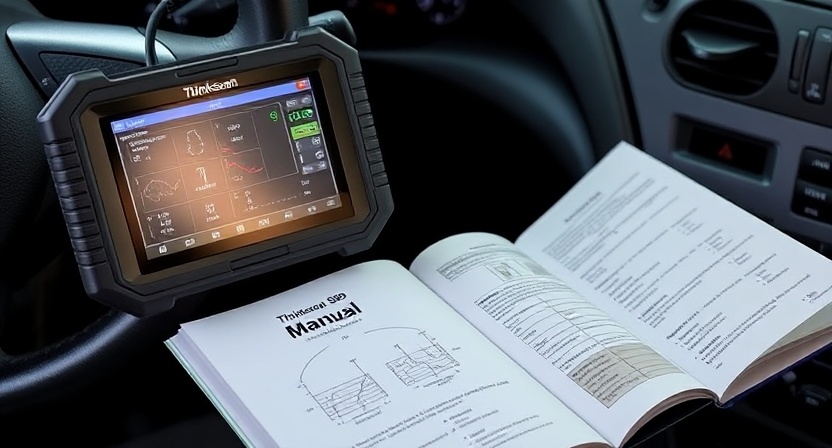
When it comes to modern automotive diagnostics, professional and at-home users alike rely on effective and user-friendly tools. One of the increasingly popular devices in this space is the Thinkscan S99. For anyone who has purchased this diagnostic scanner or is planning to use one, the Thinkscan S99 manual becomes an essential companion. It does not just provide instructions for operation but also offers a deeper understanding of how to interpret the data, maintain the device, and apply it effectively to real-world vehicle troubleshooting.
This article will walk you through everything you need to know about the Thinkscan S99 manual, from its structure and purpose to practical tips on getting the most out of the tool.
Understanding the Thinkscan S99
Before diving into the manual itself, it’s useful to understand what the Thinkscan S99 is. The device is a professional-grade OBD2 scanner that provides vehicle diagnostics across multiple systems. Unlike basic OBD2 readers that only detect engine trouble codes, the Thinkscan S99 is designed to read, clear, and interpret data from advanced vehicle modules such as ABS, SRS (airbag systems), transmission, and even certain manufacturer-specific systems.
Because it covers so many areas, users may find themselves overwhelmed when first interacting with the device. This is exactly why the Thinkscan S99 manual is crucial. It breaks down functions step by step, ensuring that users not only understand the technical aspects but also how to apply them during real diagnostic processes.
Structure of the Thinkscan S99 Manual
The Thinkscan S99 manual is generally structured to guide the user through the entire lifecycle of use, from setup to advanced diagnostics. While editions of the manual may vary slightly, the core sections usually include:
-
Introduction and Safety Information
-
Provides an overview of the device, warranty notes, and important safety tips to prevent misuse.
-
-
Device Overview
-
Includes labeled diagrams of the Thinkscan S99, explaining each button, port, and feature.
-
-
Setup Instructions
-
Steps for charging, connecting cables, updating firmware, and pairing the scanner with vehicles.
-
-
Basic Operations
-
Instructions for powering on, navigating menus, and reading/clearing codes.
-
-
Advanced Functions
-
Detailed guidance on advanced diagnostics such as ABS reset, battery management system checks, SAS (Steering Angle Sensor) calibration, and live data graphing.
-
-
Troubleshooting and Maintenance
-
Provides solutions to common errors, connectivity problems, and device care.
-
-
Glossary and Appendices
-
Explains technical jargon and offers reference charts for trouble codes and system abbreviations.
-
By following this structure, the manual makes the device approachable, even for beginners.
Key Features Explained in the Manual
The Thinkscan S99 comes with several functions, and the manual provides detailed instructions for each:
1. Reading and Clearing Trouble Codes
The most fundamental feature is reading Diagnostic Trouble Codes (DTCs). The manual explains how to connect to the OBD2 port, retrieve the codes, and interpret them. It also shows how to clear them once repairs have been completed.
2. Live Data Monitoring
For mechanics and enthusiasts who want deeper insights, the S99 allows real-time monitoring of parameters like fuel trim, oxygen sensor readings, and RPM. The manual explains how to switch between numeric and graphical displays, making analysis easier.
3. Service Reset Functions
The Thinkscan S99 supports multiple service resets, including oil light resets, throttle matching, injector coding, and more. Each of these is explained step-by-step in the manual to prevent errors during execution.
4. Multi-System Diagnostics
Unlike entry-level scanners, the S99 checks transmission, ABS, SRS, and other systems. The manual provides details on how to access these modules and what the readings mean.
5. Updates and Connectivity
Because automotive technology evolves rapidly, the S99 requires periodic firmware updates. The manual explains how to connect to Wi-Fi, register the device, and perform updates to keep compatibility with newer vehicle models.
Why the Thinkscan S99 Manual is Essential
1. Clarity for Beginners
For those new to diagnostic tools, the manual removes the guesswork. It ensures the user doesn’t misinterpret data or apply incorrect resets that could harm the vehicle.
2. Efficiency for Professionals
Even seasoned mechanics benefit from having quick-reference instructions and reset procedures in one place.
3. Avoiding Costly Mistakes
Incorrect handling of diagnostic tools can cause further issues. The manual emphasizes safety and proper use, reducing the risk of damaging vehicle electronics.
4. Learning Tool
The manual doubles as an educational resource. By explaining diagnostic codes and functions, it allows users to better understand how vehicles operate.
Practical Tips from the Thinkscan S99 Manual
-
Always ensure proper connection: The manual stresses plugging the device firmly into the OBD2 port to avoid communication errors.
-
Update regularly: Keeping the firmware current ensures compatibility with the latest vehicle models.
-
Document results: The manual encourages users to save or print reports for future reference.
-
Cross-check codes: Don’t rely solely on generic codes; the manual highlights the importance of looking at manufacturer-specific data.
-
Use safety precautions: For procedures like ABS or airbag diagnostics, the manual advises precautions to prevent accidental deployment or harm.
Common Issues Addressed in the Manual
Like any diagnostic device, users may face challenges. The manual often includes a troubleshooting section that addresses issues such as:
-
Device not powering on: Often caused by poor connection or a blown vehicle fuse.
-
No communication with ECU: May require checking compatibility or updating firmware.
-
Unclear data results: The manual explains how to adjust settings for clearer data presentation.
-
Update errors: Steps to reconnect Wi-Fi or restart the update process are covered.
Conclusion
The Thinkscan S99 manual is far more than just a booklet of instructions—it is a comprehensive guide for using the scanner effectively and safely. Whether you are a beginner learning about diagnostic tools or a professional looking for a quick-reference guide, the manual ensures accuracy, efficiency, and confidence in diagnosing and maintaining vehicles.
By understanding its structure and following its recommendations, users can maximize the value of their Thinkscan S99 while minimizing errors and risks.
FAQs About the Thinkscan S99 Manual
Q1: Is the Thinkscan S99 manual beginner-friendly?
Yes, it is written in clear, simple language with diagrams, making it accessible to first-time users.
Q2: Can I download the Thinkscan S99 manual online?
In most cases, manufacturers provide digital copies on their official website or via email after registration.
Q3: Does the manual cover advanced vehicle systems like ABS and SRS?
Yes, it explains how to access, diagnose, and reset advanced modules safely.
Q4: What should I do if my Thinkscan S99 does not connect to my vehicle?
The manual suggests checking the OBD2 port, updating firmware, and confirming vehicle compatibility.
Q5: How often should I refer to the manual?
Anytime you perform a new procedure, face an unfamiliar code, or need to troubleshoot issues, the manual is the go-to resource.