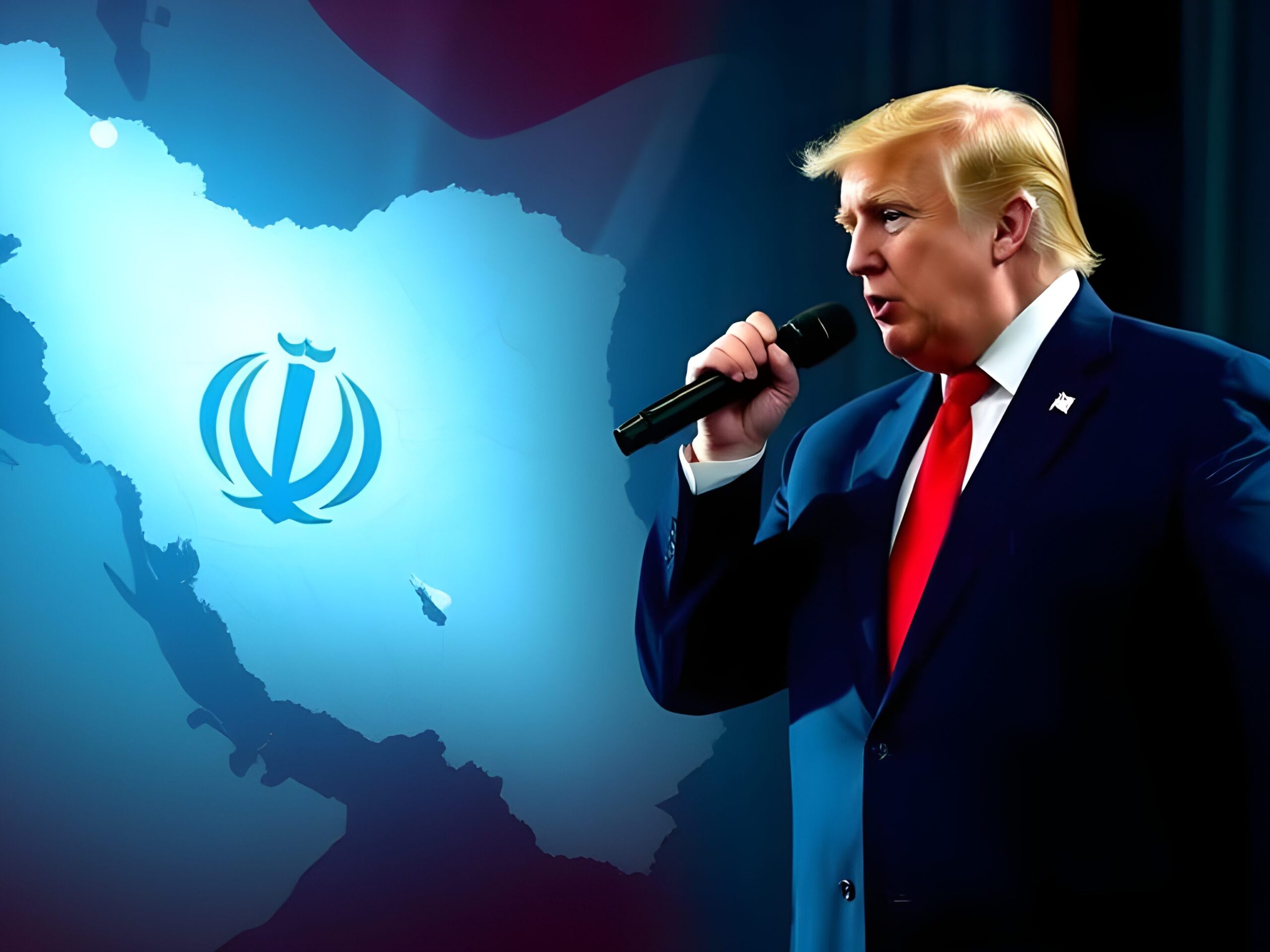
President Donald Trump’s strikes on Iran’s nuclear sites, his claims of a “monumental” victory, and hints at regime change have left the world grappling with uncertainty. His bold actions, underscored by round-the-world raids using “bunker-busting” bombs, mark one of the most dramatic moments in US-Iranian relations. But has this display of force truly unravelled Iran’s nuclear ambitions? And could it spark a broader agenda of regime change in the Islamic Republic?
This blog aims to unpack the events, the intentions behind them, and the potential implications for global geopolitics.
Background on US-Iran Tensions
The United States and Iran have had a contentious relationship for over four decades, marred by ideological opposition, conflicts over regional dominance, and nuclear proliferation concerns. Tensions escalated after the Trump administration unilaterally withdrew from the 2015 Iran nuclear deal, re-imposing sanctions on Tehran.
Iran’s response was to gradually abandon its commitments under the nuclear agreement, increasing uranium enrichment. This cycle of escalation has culminated in Trump’s weekend strikes on key atomic sites, reigniting old questions about the region’s stability and US foreign policy objectives.
Trump’s Claims of Success and Hints of Regime Change
President Trump celebrated the strikes as an overwhelming success, asserting that the damage inflicted on critical Iranian nuclear facilities was both “hard and accurate.” He argued that the operation drastically hindered Iran’s ability to develop atomic weapons and positioned the US as a force to reckon with.
However, his rhetoric didn’t stop there. On social media, Trump raised the provocative question, “Why wouldn’t there be a regime change???” This statement, whether a genuine proposal or a calculated provocation, has fed mounting concerns about whether the US is veering toward deeper involvement in Iran’s internal politics.
Expert Opinions: How Successful Were the Strikes?
Despite Trump’s optimistic portrayal, the actual impact of the strikes remains uncertain. Experts and officials have expressed scepticism, urging caution in accepting claims of a “mission accomplished.”
- Damaged Infrastructure: Early assessments have revealed that while surface structures at some sites were destroyed, the underground uranium stockpiles remain intact. Jeffrey Lewis, a weapons expert, described it as “an incomplete strike.”
- Risks of Retaliation and Reconstitution: Critics, including Democratic Representative Jim Himes, warn Iran could salvage its nuclear materials and fast-track its program in response. Some believe this operation could push Tehran closer to building a nuclear weapon rather than deter it.
- Strategic Consequences: Richard Haass of the Council on Foreign Relations suggested the raids might have inadvertently incentivized Iran to pursue nuclear weapons to avoid future attacks. This uncertainty clouds Trump’s narrative of a decisive victory.
Iran’s Response and Threats of Retaliation
Tehran has strongly condemned the strikes, with officials warning of a proportionate response. Amir-Saeid Iravani, Iran’s envoy to the United Nations, emphasized that Iran’s armed forces would determine the timing and scale of their retaliation.
Potential responses could include:
- Targeting US military assets in the region.
- Closing the Strait of Hormuz to disrupt global energy supplies.
- Missile attacks on allied oil fields or other provocative moves.
These threats underscore the growing danger of escalating hostilities, with the Middle East bracing for potential military actions.
US Intentions on Regime Change Amid Conflicting Signals
The Trump administration’s official position on regime change remains ambiguous. Vice President JD Vance has stated the US does not seek to overthrow Iran’s leadership, insisting the mission was solely focused on curbing its nuclear program.
Yet Trump’s comments have repeatedly floated the notion of regime change, generating confusion and fueling speculation about the administration’s broader objectives. The inconsistency has sparked debates about whether the US aims for strategic military gains or a political reordering within Iran.
Analysis of Nuclear Site Damage
The effectiveness of the strikes depends mainly on the state of Iran’s nuclear infrastructure post-attack. Preliminary surveillance indicates significant portions of enriched uranium may have been relocated or stored underground in facilities untouched by the raids.
These findings suggest that while the strikes disrupted Iran’s nuclear activities, they fell short of eliminating the threat. This raises an ominous possibility that instead of neutralizing Iran’s nuclear ambitions, the US may have provoked a more dangerous escalation.
FAQs About Trump’s Iran Actions
1. Did the strikes eliminate Iran’s nuclear threat?
Not entirely. While the strikes targeted key locations, early reports suggest stockpiles of enriched uranium and some underground facilities remain intact. This leaves Iran with the capacity to rebuild its program.
2. Is the US pursuing regime change in Iran?
The messaging from US officials has been inconsistent. While Vice President Vance denies any intention for regime change, Trump’s public musings suggest it may be part of his broader agenda.
3. What are the implications of a regime change in Iran?
Political upheaval in Iran could lead to increased domestic repression or even state collapse, potentially creating a power vacuum with widespread regional and global consequences.
4. What could Iran’s retaliation look like?
Iran has multiple options for retaliatory action, from targeting US assets in the Middle East to disrupting global energy markets by closing the Strait of Hormuz. Each response carries the risk of escalating the conflict further.
5. Will there be further US strikes on Iran?
The decision likely hinges on Iran’s next moves and reports on the actual damage inflicted on its nuclear program. Any significant retaliation could provoke additional US military actions.
The Uncertain Path Forward
The lack of clarity surrounding Trump’s strikes on Iran and his rhetoric on regime change leaves more questions than answers. While the immediate impacts of the attack are becoming clearer, the long-term ramifications remain highly uncertain. Will this operation lead to meaningful progress in curbing Iran’s nuclear ambitions, or will it plunge the region into deeper conflict?
The world watches and waits to see whether this moment will mark a turning point in US-Iran relations or another chapter in a long history of mistrust and turmoil.