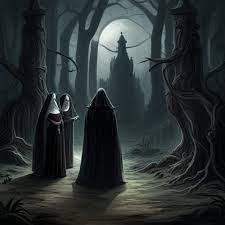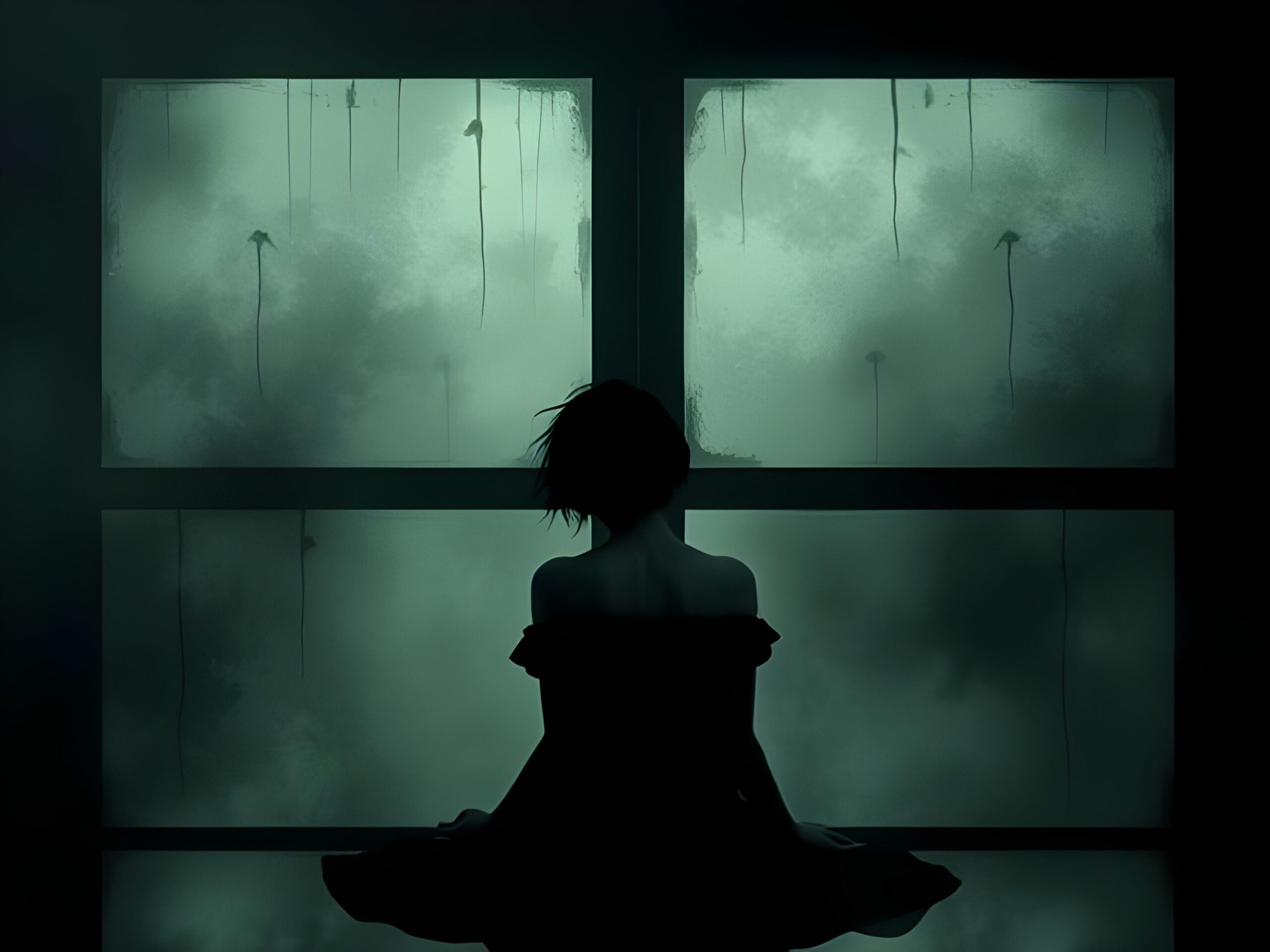
Poetry has an extraordinary ability to capture emotions that are often too complex or profound to be expressed in straightforward terms. Among these emotions lies poetic sadness, an artistic exploration of grief, melancholy, and introspection that transforms personal sorrow into a universal experience. But what makes poetic sadness so enthralling? And how do poets skillfully craft their words to reflect the depths of human emotion?
This blog delves into the essence of poetic sadness, examines its various manifestations, and showcases examples of how poets have historically conveyed this sentiment.
Manifestations of Poetic Sadness
Poetic sadness manifests in various ways within poetry, primarily through the exploration of emotions, language, introspection, and thematic elements. Let’s take a closer look at how it manifests.
Exploration of Emotion
At the heart of poetic sadness lies an unfiltered exploration of raw emotions, such as grief, despair, and loss. Poets often use intensely emotional expressions to connect with readers on a profound level.
- Metaphors and Imagery bring these emotions to life. For instance, sadness may be painted as a vast ocean of longing or as a fleeting shadow that vanishes as quickly as it appears, evoking deep resonance with readers.
- Edgar Allan Poe’s “Annabel Lee“ encapsulates grief and longing through powerful images of eternal love and an angelic yet unattainable presence.
Vivid Language
The language used in expressions of poetic sadness often relies on sensory details, allowing readers to feel the anguish or melancholy being described.
- Personification is a common literary device that gives sadness a face, voice, or presence that lingers and interacts with the speaker. Philip Larkin’s “Home is So Sad” personifies a home as holding the memories and echoes of a past life, intensifying the weight of nostalgia.
Introspection and Reflection
Many poems about sadness offer a window into the speaker’s internal world. These poems often chronicle self-examination, deeply exploring thoughts, feelings, and experiences tied to sorrow.
- Robert Frost’s “Acquainted with the Night“ reflects isolation and despair as the speaker wanders through a city, embodying detachment and inner turmoil.
Different Forms of Sadness Expression
Poetic sadness finds its voice in many forms:
- Elegies mourn the loss of loved ones or cherished times.
- Dirges laments in musical, almost chant-like tones.
- Free verse provides poets with the flexibility to express sorrow unrestricted by structure.
Connection to Broader Themes
Sadness in poetry often ties into themes of mortality, isolation, and loss of innocence. For example:
- Dylan Thomas’s “Do Not Go Gentle Into That Good Night“ explores defiance in the face of mortality, urging readers to rage against death’s inevitability.
Iconic Examples of Poetic Sadness
To illustrate the breadth and impact of poetic sadness, here are some renowned examples that have mastered the craft of expressing sorrow:
“We Wear the Mask“ by Paul Laurence Dunbar
This poem uses the metaphor of a mask to convey the pain of concealing genuine emotions behind a facade of happiness and societal expectations.
“Dirge Over A Nameless Grave“ by Thomas Hardy
Hardy reflects on the universal nature of grief, mourning an unknown individual whose life, despite its unknown nature, carried meaning nonetheless.
“Do Not Go Gentle Into That Good Night“ by Dylan Thomas
Urging his father to fight against death, Thomas’s villanelle brilliantly exemplifies controlled chaos and defiance.
“Annabel Lee“ by Edgar Allan Poe
This haunting narrative of enduring love and devastating loss leaves readers with a sense of transcendent sadness.
“Home is so sad“ by Philip Larkin.
Larkin’s exploration of nostalgia and the passage of time captures the bittersweet, irrevocable feeling of change.
Common Themes and Imagery
Poetic sadness draws many of its themes and symbols from universal human emotions and experiences.
Recurring Themes
- Loss and Grief: Poems like “Annabel Lee“ and “Funeral Blues“ by W.H. Auden explore the pain of saying goodbye.
- Heartbreak and Unrequited Love: Sara Teasdale’s “The Kiss“ reflects on the ache of unreturned affection.
- Isolation and Loneliness: “Acquainted with the Night“ vividly renders detachment and solitude.
- Despair and Hopelessness: Emily Dickinson’s “There’s a Certain Slant of Light” conveys a perspective devoid of hope.
Imagery in Poetic Sadness
Nature is a recurring muse. Gloomy weather, barren landscapes, and changing seasons often symbolize melancholy and the transience of happiness.
Literary Devices That Convey Sadness
Poets masterfully employ various literary devices to evoke emotional ties with their readers. Some tools frequently associated with poetic sadness include:
- Metaphor: Comparing sadness to unending rain or a falling star.
- Personification: Making sadness a companion, present and relentless.
- Symbolism: Using objects like wilting flowers or empty chairs to capture sadness.
- Tone: Manipulating tone, whether sombre or reflective, to reinforce the theme.
- Enjambment and Caesura: Playing with pauses and line breaks to evoke fragmented thoughts.
- Pathetic Fallacy: Using weather or nature to reflect sadness.
Forms and Styles of Poetic Sadness
Sadness finds expression in many forms:
- Elegy: Poignant and formal, this style laments loss deeply, often incorporating solace or acceptance.
- Free Verse: Offers emotional flexibility, allowing creativity to flow freely, unshackled by strict rhyme or meter.
- Traditional Forms: The carefully structured sonnet or intricate villanelle often holds sadness within rigid boundaries, amplifying its poignancy.
Informational FAQs
What is poetic sadness?
Poetic sadness is the emotional depth and sorrow expressed through poetry. It often uses vivid imagery, metaphors, and introspection to capture universal feelings of grief and melancholy.
Why do poets frequently write about sadness?
Sadness is a universal experience that often catalyzes deeper reflection and vulnerability. Poetry provides an outlet for expressing these complex emotions artistically.
What is an elegy?
An elegy is a type of poem that mourns a death or significant loss, often reflecting themes of mortality and acceptance.
Can sadness in poetry evoke positive emotions?
Yes, poems about sadness often remind readers that they’re not alone, offering comfort, catharsis, and even hope despite the melancholy.
The Undeniable Power of Poetic Sadness
Poetry allows sadness to transcend its nature, transforming it into something raw, beautiful, and universally understood. Across cultures and centuries, poets have harnessed sadness to connect with readers on a deeply emotional level, often leaving behind hauntingly memorable works.
Whether you’re a poet or an avid reader, turning to poetry for the exploration of sorrow can reveal profound truths about life, love, and the human condition. The question is—what will you discover?