In the rapidly evolving world of artificial intelligence, particularly in the realm of AI art generation, the ability to communicate effectively with the machine is the new currency of creativity. While powerful AI models like Midjourney, DALL-E, and Stable Diffusion possess near-limitless potential, they require precise instructions to bring a user’s vision to life. This is where the concept of a “prompt” becomes paramount. You may have encountered the Vietnamese phrase “prompt hay cho veo3” circulating in creative communities. Translating to “good prompt for drawing O3,” this phrase is a key that unlocks a specific, vibrant, and highly sought-after aesthetic. But what does it truly mean, and how can you master it? This article delves deep into the philosophy and mechanics behind crafting exceptional prompts, using the “O3” style as a central case study.
Deconstructing the Keyword: What is “Prompt Hay Cho VeO3”?
To understand the goal, we must first break down the keyword itself.
-
Prompt: In AI art, a prompt is a text description that guides the AI model. It can be a simple phrase or a complex sentence filled with keywords relating to style, subject, composition, and mood.
-
Hay: This Vietnamese word means “good” or “excellent.” In this context, it signifies a prompt that is effective, well-structured, and capable of producing high-quality, aesthetically pleasing results.
-
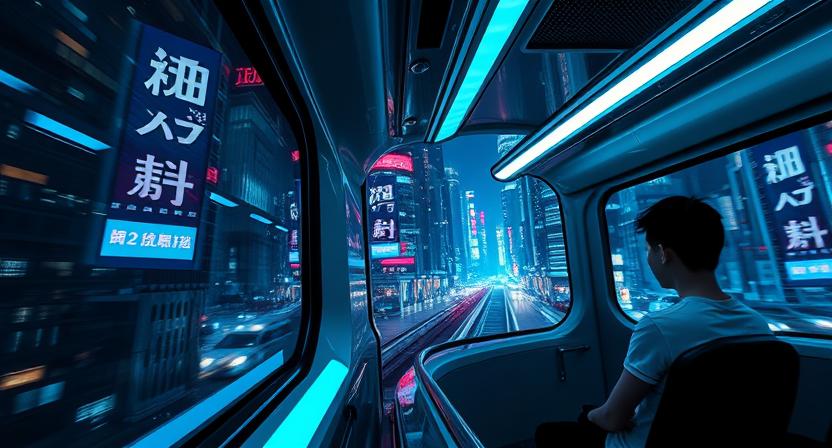
Cho Ve O3: This translates to “for drawing O3.” “O3” is not a formal artistic term but has emerged as a popular label within online AI art communities, especially in Vietnam. It refers to a specific visual style characterized by its vibrant, neon-drenched, cyberpunk-inspired, and often futuristic or sci-fi aesthetic. Think of sprawling cityscapes at night, glowing neon signs, sleek technological interfaces, and a general atmosphere that blends the organic with the synthetic.
Therefore, “prompt hay cho ve o3” is a search for the perfect recipe—the ideal combination of words—to generate artwork that embodies this distinct, high-energy, and visually stunning “O3” style.
The Anatomy of a “Hay” (Good) Prompt: Beyond Basic Descriptions
A good prompt is more than just a subject label. It’s a detailed blueprint. Moving from a basic command to a “prompt hay” involves incorporating several layers of detail. Here’s a breakdown of the essential components, applicable not just to the O3 style but to any AI art generation.
1. The Foundation: Subject and Setting
This is the “who” and “where” of your image. Be as specific as possible.
-
Basic:
a city street -
Good:
a bustling cyberpunk city street -
Hay (Excellent):
a lone figure standing on a rain-slicked cyberpunk city street, towering neon-lit skyscrapers
2. The Soul: Style and Aesthetic Keywords
This is where you define the visual language. For the “O3” style, certain keywords are indispensable.
-
Core O3 Keywords:
cyberpunk, synthwave, retro-futurism, neon-noir, vibrant, glowing, sci-fi. -
Artistic Styles: You can reference specific art movements or artists.
in the style of Blade Runner, concept art, digital painting, hyperdetailed illustration.
3. The Atmosphere: Lighting and Mood
Lighting is arguably the most critical element for setting the mood. The O3 style is defined by its lighting.
-
Lighting Keywords:
neon glow, cinematic lighting, volumetric lighting, bioluminescent, dark and moody, contrasting shadows, ultraviolet light. -
Mood/Weather Keywords:
rainy night, foggy, atmospheric, mysterious, energetic, lonely, futuristic.
4. The Frame: Composition and Camera Settings
Think like a photographer or cinematographer. How is the scene framed?
-
Composition:
wide shot, close-up, low angle, dynamic angle, panoramic view. -
Camera/Lens Effects:
depth of field, bokeh, motion blur, anamorphic lens flare, 8K resolution.
5. The Polish: Technical Details and Quality Boosters
These keywords help ensure the output is high-fidelity.
-
Quality/Detail:
highly detailed, intricate, sharp focus, professional, photorealistic (or stylized illustration if that's the goal). -
Technical Terms (often used with Midjourney):
octane render, Unreal Engine, ray tracing, --ar 16:9 (for aspect ratio), --v 5.2 (to specify the model version).
Crafting Your Own “O3” Masterpiece: A Step-by-Step Guide
Let’s apply the principles above to construct a “prompt hay” from the ground up.
Step 1: Define the Core Idea.
You want an image of a futuristic vehicle.
Step 2: Layer the O3 Aesthetic.
Add the core style keywords: a cyberpunk flying car.
Step 3: Establish the Scene and Mood.
Set the scene and lighting: a cyberpunk flying car hovering above a rain-slicked street at night, illuminated by vibrant neon signs from crowded noodle shops, volumetric fog.
Step 4: Refine the Composition and Details.
Specify the view and detail level: dynamic low-angle shot of a sleek, futuristic flying car hovering above a rain-slicked cyberpunk street at night, illuminated by vibrant pink and blue neon signs from crowded noodle shops, volumetric fog, intricate details, cinematic lighting.
Step 5: Add Technical Polish.
Finalize with quality boosters: dynamic low-angle shot of a sleek, futuristic flying car hovering above a rain-slicked cyberpunk street at night, illuminated by vibrant pink and blue neon signs from crowded noodle shops, volumetric fog, intricate details, cinematic lighting, hyperdetailed, 8K, concept art, trending on ArtStation.
This final prompt provides the AI with a rich, multi-layered description, dramatically increasing the chances of generating a stunning piece of O3-style art.
The Philosophy of Prompt Crafting: It’s a Dialogue
The most important lesson for any aspiring AI artist is that prompt engineering is a dialogue, not a command. Your first result is rarely your last. The “hay” (good) prompt is your starting point. The real magic happens in the iteration.
-
Analyze the Output: Look at the image generated. What do you like? What’s missing? Is the color not vibrant enough? Is the composition wrong?
-
Refine and Iterate: Use your observations to tweak your prompt. Add
ultraviolet glowif the neon isn’t bright enough. Changewide shottoclose-upto focus on a detail. Swapcyberpunkforsolarpunkif you want a brighter, eco-futurist take. -
Use Negative Prompts: Many AI generators allow for negative prompts—words that tell the AI what to exclude. If your image has blurry elements, adding
--no blur, out of focuscan help clean it up.
This iterative process is where you develop an intuition for how the AI interprets language, transforming you from a simple user into a collaborative artist.
FAQs: Frequently Asked Questions
Q1: Is the “O3” style only for cyberpunk themes?
A1: While heavily associated with cyberpunk, the core elements of the O3 style—vibrant neon colors, high contrast, and a futuristic feel—can be applied to other genres. For example, you could create a fantasy scene with bioluminescent plants and magical neon-like glows, effectively creating “fantasy O3.”
Q2: I’m using a free AI art generator with limited capabilities. Can I still achieve the O3 look?
A2: Yes, but you may need to focus on the most impactful keywords. Prioritize neon, cyberpunk, night, and vibrant colors. The results might be less detailed than those from advanced models, but the core aesthetic can still be achieved.
Q3: Why does my prompt sometimes produce unexpected or low-quality results?
A3: AI models can be sensitive to word order and conflicting keywords. Ensure your prompt is coherent. Avoid mixing opposites like photorealistic and cartoon unless you’re aiming for a specific hybrid style. Start simple and add complexity gradually.
Q4: Where can I find inspiration for good prompts?
A4: Online communities are invaluable. Platforms like Discord (especially Midjourney’s community), Reddit (r/midjourney, r/dalle2), and Pinterest are filled with artists sharing their prompts and results. Studying these can teach you effective keyword combinations.
Q5: Are there ethical concerns about using AI art?
A5: Yes, and it’s a crucial conversation. Key concerns include the use of copyrighted artwork in training data without explicit permission and the potential impact on human artists. It’s important to use these tools responsibly, be transparent about their use, and support human artists whenever possible.