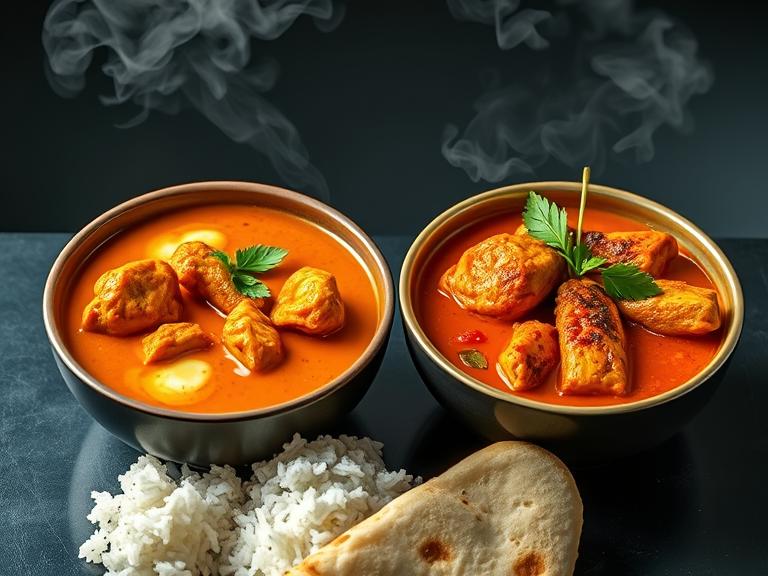
To the uninitiated, a glance at two plates of orange-hued, creamy Indian curries might suggest they are the same dish. Both are globally beloved, feature tender chicken, and are staples on restaurant menus from London to Los Angeles. However, to conflate Chicken Tikka Masala Vs Butter Chicken is to overlook a fascinating tale of origin, ingredient, and technique. While they share a culinary DNA, they are distinct entities, each with its own rich history and unique flavor profile. This is a journey into the heart of two of the world’s most popular dishes, dissecting what sets them apart and why both deserve a place in the pantheon of great foods.
The Origins: A Tale of Two Histories
The story of Butter Chicken, or Murgh Makhani, is one of ingenuity and tradition rooted in the heart of Old Delhi. The most widely accepted origin story credits Kundan Lal Gujral, the founder of the legendary Moti Mahal restaurant in the 1950s. Seeking to avoid waste, he supposedly created a sauce to rejuvenate leftover tandoori chicken from the previous night. He simmered the dry chicken pieces in a rich, creamy tomato-based gravy enriched with butter and cream. The result was an instant classic—a dish that was luxurious, mild, and incredibly satisfying. Its invention was a natural evolution within the Mughlai culinary tradition of North India.
The story of Chicken Tikka Masala, on the other hand, is shrouded in more mystery and international intrigue. While its components are undeniably Indian, its status as a “true” Indian dish is often debated. The most popular (and apocryphal) tale places its invention in a Glasgow kitchen in the 1970s. A customer, allegedly, found the traditional Chicken Tikka too dry and sent it back. To salvage the dish, the quick-thinking chef supposedly whipped up a creamy tomato soup from canned tomatoes, spices, and cream, poured it over the grilled chicken, and thus, a British national dish was born. While its exact origins are contested, its status as a quintessential dish of the British-Indian culinary fusion is undeniable. In fact, a British foreign secretary once famously declared it “Britain’s true national dish.”
The Flavor Profile: A Study in Subtlety and Strength
This difference in origin is directly reflected in their taste.
Butter Chicken (Murgh Makhani) is the epitome of comfort. Its flavor profile is rich, creamy, and subtly sweet. The gravy is a masterclass in balance. The tomatoes are cooked down until they lose their sharp acidity, often with the addition of onions, cashews, or almonds, which are then pureed into a silky-smooth base. The spices are warm and aromatic—think garam masala, fenugreek (kasuri methi), and a hint of cumin—but they are never overpowering. The primary sensations are the luxuriousness of butter (makhan), the richness of fresh cream (malai), and the gentle sweetness of tomato and onion. It’s designed to be mild, making it a perfect introduction to Indian cuisine and a favorite among those who prefer less heat.
Chicken Tikka Masala boasts a more robust, tangy, and often spicier character. While also creamy, its tomato base is typically more pronounced and sharper. The tang can come from tomato paste, lemon juice, or even a touch of vinegar, giving it a brighter, more assertive kick. The spice blend is generally more forward, frequently featuring a stronger presence of paprika, cayenne, or other red chilies to provide a noticeable heat that builds with each bite. The cream and yogurt are used to temper this heat and add body, but they don’t dominate the flavor landscape as they do in Butter Chicken. It’s a dish that aims to excite the palate rather than simply comfort it.
The Preparation: Where the Magic Happens
The journey of both dishes begins identically: with Chicken Tikka. Boneless chicken chunks are marinated in a mixture of yogurt, lemon juice, garlic, ginger, and spices like turmeric, cumin, and coriander. This marinade tenderizes the meat and infuses it with flavor. The chicken is then skewered and cooked in a blazing-hot tandoor (a cylindrical clay oven), acquiring its signature smoky flavor and charred edges.
It is after this point that the paths diverge.
For Butter Chicken, the cooked tikka is added to a pre-prepared, slow-simmered gravy. This gravy is the soul of the dish. It starts with a base of fried onions and tomatoes, blended with nuts and spices into a smooth paste. This paste is then cooked with butter, cream, and more spices until it reaches a velvety consistency. The tandoori chicken is gently folded into this gravy just before serving, allowing it to soak up the flavors without continuing to cook and become tough.
For Chicken Tikka Masala, the process is often more integrated. The sauce is frequently built in a pan after the chicken has been removed from the tandoor. Spices are tempered in oil or butter, to which tomato puree, cream, and other ingredients are added. The cooked chicken tikka is then simmered in this sauce for a longer period, allowing the smoky flavors from the tandoor to meld directly into the gravy, creating a deeper, more unified dish.
At a Glance: The Key Differences
| Feature | Butter Chicken (Murgh Makhani) | Chicken Tikka Masala |
|---|---|---|
| Origin | Delhi, India (1950s) | Likely UK (1970s) |
| Primary Flavor | Rich, creamy, subtly sweet, mild | Tangy, robust, spicier, brighter |
| Base & Color | Smooth, velvety gravy; deeper orange-red | Often slightly grainier; brighter red-orange |
| Spice Level | Very mild, aromatic | Mild to medium, more pronounced heat |
| Key Ingredients | Butter, cream, tomatoes, cashews/almonds, fenugreek | Tomatoes, cream, spices, often tomato paste & lemon for tang |
| Chicken Prep | Tandoori chicken added to finished gravy at the end | Tandoori chicken simmered in the sauce |
Conclusion: Which One is Right for You?
The choice between Butter Chicken and Chicken Tikka Masala is not about which is better, but about what you crave.
Choose Butter Chicken when you desire ultimate comfort. It’s the culinary equivalent of a warm embrace—decadent, smooth, and reassuringly mild. It’s perfect for a cozy night in, for those new to Indian flavors, or for when you want to indulge in something luxuriously creamy.
Choose Chicken Tikka Masala when your palate seeks adventure. It offers a more complex play of tangy, spicy, and creamy notes. It’s the ideal choice for those who enjoy a bit of heat and a brighter, more assertive tomato flavor.
Ultimately, both dishes are magnificent testaments to the global journey and evolution of cuisine. One is a proud native son of Delhi, the other a wildly successful adopted child of the West. Understanding their differences only deepens the appreciation for each delicious, creamy forkful.
Informational FAQs
1. Which is healthier, Butter Chicken or Chicken Tikka Masala?
Neither is considered a “health food” due to their high cream and butter content. However, Chicken Tikka Masala can sometimes be slightly lower in fat if it uses less cream and butter in its base compared to the traditional Murgh Makhani recipe, which is defined by its dairy richness. The healthiness greatly depends on the specific recipe and portion size.
2. Can I make these dishes without a tandoor?
Absolutely. While a tandoor provides the authentic smoky flavor, you can achieve excellent results using a grill, a broiler in your oven, or even a very hot skillet to cook the marinated chicken tikka. The char and high heat are what you’re aiming for.
3. Are these dishes naturally gluten-free?
The core ingredients—chicken, yogurt, spices, tomatoes, and cream—are naturally gluten-free. However, you must always check individual spice blends for additives, and be cautious when dining out, as some restaurants might use thickeners that contain gluten in their gravies.
4. What are the best sides to serve with these curries?
Both pair perfectly with Basmati rice (plain or jeera), which soaks up the delicious gravy. They are also excellent with Indian breads like naan (soft and leavened), roti (whole wheat and thinner), or paratha (flaky and layered). A side of cooling cucumber raita or a fresh salad can provide a nice contrast to the richness.
5. Is Chicken Tikka Masala actually an Indian dish?
This is a matter of continuous debate. Its components—chicken tikka and a spiced gravy—are Indian. However, the specific combination and popularization of the dish as “Chicken Tikka Masala” is widely believed to have occurred in the UK, making it a brilliant and beloved example of fusion cuisine, often categorized under “British-Indian” cooking.