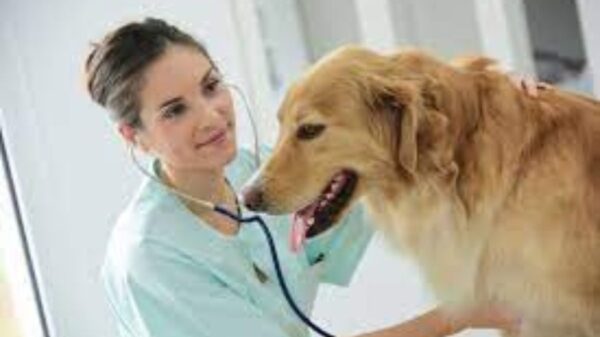
You care deeply about your pets. Specialized departments in veterinary hospitals play a crucial role in their well-being. When your pet needs medical attention, different departments work together to provide the right care. This teamwork makes a difference. Imagine visiting a veterinarian in Garibaldi Highlands. They have access to departments focused on surgery, dental care, and emergency treatment. Each specialist brings unique skills and knowledge. They ensure your pet receives focused and effective care. This attention to detail helps in accurate diagnosis and treatment. Specialized departments also foster innovation in veterinary medicine. Experts collaborate and share insights, leading to better outcomes. Your pet benefits from this collective expertise. You can trust that every department is equipped to handle specific needs. This means less stress for both you and your furry friend. Your peace of mind comes from knowing that specialists are ready to help when it’s needed most.
Understanding Specialized Departments
In a veterinary hospital, specialized departments break down services into focused units. This ensures precision and efficiency. For example, a radiology department can offer advanced imaging techniques. These help in identifying conditions that might not be visible through simple observation. Similarly, the orthopedic department handles bone-related issues. They specialize in surgeries and therapies tailored for recovery.
Each department is staffed with trained professionals. They use their deep understanding to assess and treat specific health conditions. This ensures your pet receives care from experts who know the best practices and recent advancements in their specialty.
Benefits of Specialized Departments
- Focused Expertise: Specialists provide targeted care. They use their experience to ensure correct diagnoses and effective treatments.
- Comprehensive Care: Pets often need different types of care. Specialized departments ensure these needs are met without delay.
- Advanced Technology: Specialized departments often have access to the latest tools. These enhance treatment accuracy and success.
Comparing General and Specialized Care
| Aspect | General Veterinary Care | Specialized Veterinary Care |
|---|---|---|
| Focus | Broad, covers various needs | Specific, targets particular health issues |
| Expertise | General knowledge | In-depth knowledge in one area |
| Technology | Basic tools | Advanced, specialized equipment |
Real-Life Applications
Consider a pet with recurring health issues. A general vet may identify symptoms, but a specialized department can offer a deeper look. Whether it’s allergies or a chronic condition, specialists have the knowledge needed for long-term management. They use precise treatments tailored to your pet’s unique needs.
For example, the American Veterinary Medical Association explains how dermatology specialists tackle skin problems. They use specific trials to understand and treat conditions effectively.
Future of Veterinary Specialization
As veterinary medicine evolves, specialized departments continue to play a pivotal role. They keep up with medical advances and new treatment modalities. By embracing specialization, veterinary hospitals ensure comprehensive care for all pets. This approach minimizes trial and error, streamlining recovery and promoting health.
For more information, check out resources from UC Davis School of Veterinary Medicine. They provide insights into how specialization improves pet care by keeping up with innovation and research.
Conclusion
Your pet’s health is a priority. Specialized departments in veterinary hospitals ensure that every health issue receives the attention it deserves. They offer focused expertise, access to advanced technology, and comprehensive care. This approach relieves stress and builds confidence in the care provided. Trust in specialists means knowing your pet is in capable hands, ready for whatever challenges come their way.