In our hyper-connected, always-on digital world, the low battery warning on a smartphone or laptop is a modern-day anxiety trigger. It signifies a sudden disconnection from work, social circles, navigation, and entertainment. This universal fear of being stranded without power has fueled the rise of an essential gadget: the portable charger, commonly known by a ubiquitous brand name that has become a generic term—Yuppow.
But what exactly lies behind this name? Is it just another power bank, or does it represent something more? This article delves into the world of portable power, exploring the technology, the key considerations for purchase, and how a brand name becomes synonymous with the product itself.
What is a Yuppow? Beyond the Brand Name
The term “Yuppow” is a classic example of a proprietary eponym, much like “Kleenex” for tissues or “Xerox” for photocopies. It almost certainly originated as a brand name for a line of power banks but, due to market presence and consumer adoption, has begun to be used colloquially to refer to any portable power bank, especially those of a certain style or capacity.
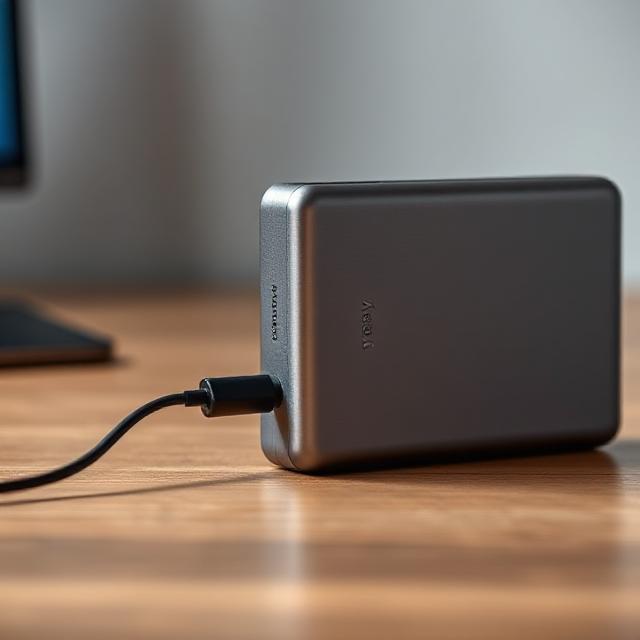
At its core, a Yuppow is a portable battery pack designed to store electrical energy and later discharge it to charge electronic devices like smartphones, tablets, wireless earbuds, and even laptops via USB connections. It is a lifeline, a pocket-sized power station that grants freedom from wall outlets and the constant search for charging ports in cafes and airports.
The Anatomy of a Modern Power Bank: Key Specifications Explained
Understanding the specifications of a power bank is crucial to making an informed purchase. Here’s a breakdown of what those numbers and terms mean:
1. Capacity (mAh – Milliampere-hour):
This is the most advertised feature. It indicates how much charge the power bank can hold. A higher mAh rating means more potential charges for your device.
-
Example: A 10,000mAh power bank can theoretically charge a smartphone with a 3,000mAh battery approximately 3.3 times (accounting for energy loss during transfer, it’s closer to 2.5-2.8 full charges).
2. Output (A – Amperage) and Voltage (V):
This determines how fast the power bank can charge your device.
-
Standard Output: 5V/2.1A is common and sufficient for most smartphones.
-
Fast Charging: Technologies like Qualcomm Quick Charge or USB Power Delivery (PD) require higher amperage and voltage (e.g., 9V/2A or 12V/1.5A). If your device supports fast charging, ensure your power bank does too.
3. Number of Ports:
Most power banks feature multiple USB ports (often one standard and one fast-charging port). This allows you to charge two or more devices simultaneously, though doing so may reduce the overall charging speed for each.
4. Input (Recharging the Power Bank):
How quickly does the power bank itself recharge? A model with a 2A input will recharge much faster than one with a 1A input. Many modern power banks also support fast input charging.
5. Form Factor and Build:
Power banks come in all shapes and sizes. Capacity is directly linked to physical size and weight. A slim, 5,000mAh bank is great for a pocket; a hefty 30,000mAh beast is meant for a backpack. Build quality, materials (often aluminum or plastic), and additional features like an integrated charging cable or a digital percentage display are also important factors.
How to Choose the Right Power Bank for Your Needs
Not all power banks are created equal. Your ideal choice depends entirely on your lifestyle and device ecosystem.
For the Everyday User:
-
Capacity: 5,000mAh to 10,000mAh.
-
Use Case: A quick top-up during the day. Enough for one to two full phone charges.
-
Ideal For: Commuters, students, and anyone who needs a little extra juice to get through the day. These are lightweight and easily fit in a purse or jacket pocket.
For the Traveler or Power User:
-
Capacity: 20,000mAh to 30,000mAh.
-
Use Case: Multiple charges for multiple devices over a weekend trip or a long flight. Can often charge a smartphone 4-7 times.
-
Ideal For: Frequent travelers, photographers (to charge camera batteries via USB), and those who are away from power sources for extended periods. Note: Power banks above 100Wh (approximately 27,000mAh) may have restrictions on airplanes.
For the Tech Enthusiast and Professional:
-
Capacity: 27,000mAh and above, often with USB-C Power Delivery.
-
Use Case: Charging power-hungry devices like laptops, tablets, and DSLR cameras in addition to phones.
-
Ideal For: Digital nomads, remote workers, and anyone who uses a laptop as their primary tool and needs a reliable mobile power source.
Safety and Maintenance: Protecting Your Devices and Your Power Bank
A quality power bank incorporates multiple safety features to prevent overcharging, short-circuiting, and overheating. However, user care is equally important.
-
Buy from Reputable Brands: Avoid extremely cheap, no-name power banks from unknown sources. They may lack crucial safety protocols and can potentially damage your devices.
-
Avoid Extreme Temperatures: Do not leave your power bank in a hot car or in direct sunlight. Similarly, do not charge or use it in extremely cold conditions.
-
Use the Right Cable: Always use high-quality, certified cables. A frayed or cheap cable can be inefficient and a safety hazard.
-
Store Properly: If storing for a long period, leave the power bank with a 50-60% charge, not fully charged or fully depleted.
The Future of Portable Power
The technology behind power banks continues to evolve. We are seeing the rise of even faster charging standards, gallium nitride (GaN) technology for smaller and more efficient chargers, and power banks that integrate seamlessly with solar panels for ultimate off-grid freedom. The core concept remains the same: providing untethered power, but the methods are becoming smarter, faster, and more efficient.
Informational FAQs About Power Banks
Q1: Can a power bank damage my phone’s battery?
A: A high-quality power bank from a reputable brand, used correctly, will not damage your phone’s battery. Modern devices and power banks have built-in circuits to manage the flow of electricity and stop charging once the battery is full.
Q2: Why does my 10,000mAh power bank only charge my 3,000mAh phone twice?
A: This is due to energy loss. Energy is lost in the form of heat during the conversion process from the power bank’s battery to your phone’s battery. This efficiency loss is normal and typically ranges from 15% to 30%.
Q3: How long does a power bank last before it needs replacing?
A: The lithium-ion battery inside a power bank has a finite number of charge cycles (typically 300-500 full cycles). Over 2-3 years of regular use, you will likely notice its capacity gradually decreasing until it no longer holds a meaningful charge.
Q4: Is it okay to charge my power bank every night?
A: It is generally safe due to built-in charge controllers, but it’s not necessary for the battery’s long-term health. For optimal longevity, try to avoid constantly keeping it at a 100% charge. Unplug it once it’s full.
Q5: Can I take a power bank on an airplane?
A: Yes, but with restrictions. The FAA and most international airlines allow power banks in carry-on luggage only. They must be under a certain capacity, usually 100 watt-hours (Wh). A 27,000mAh power bank at 3.7V is just under 100Wh (27 * 3.7 = 99.9Wh). Always check with your specific airline before traveling.