In a crowded store aisle, your packaging often has less than three seconds to catch a shopper’s eye before they move on. That’s not much time — but with the right design choices, a retail box can function as a silent salesperson, doing the work of grabbing attention and nudging an impulse buy before a shopper ever picks it up.
Visual and Structural Design Choices
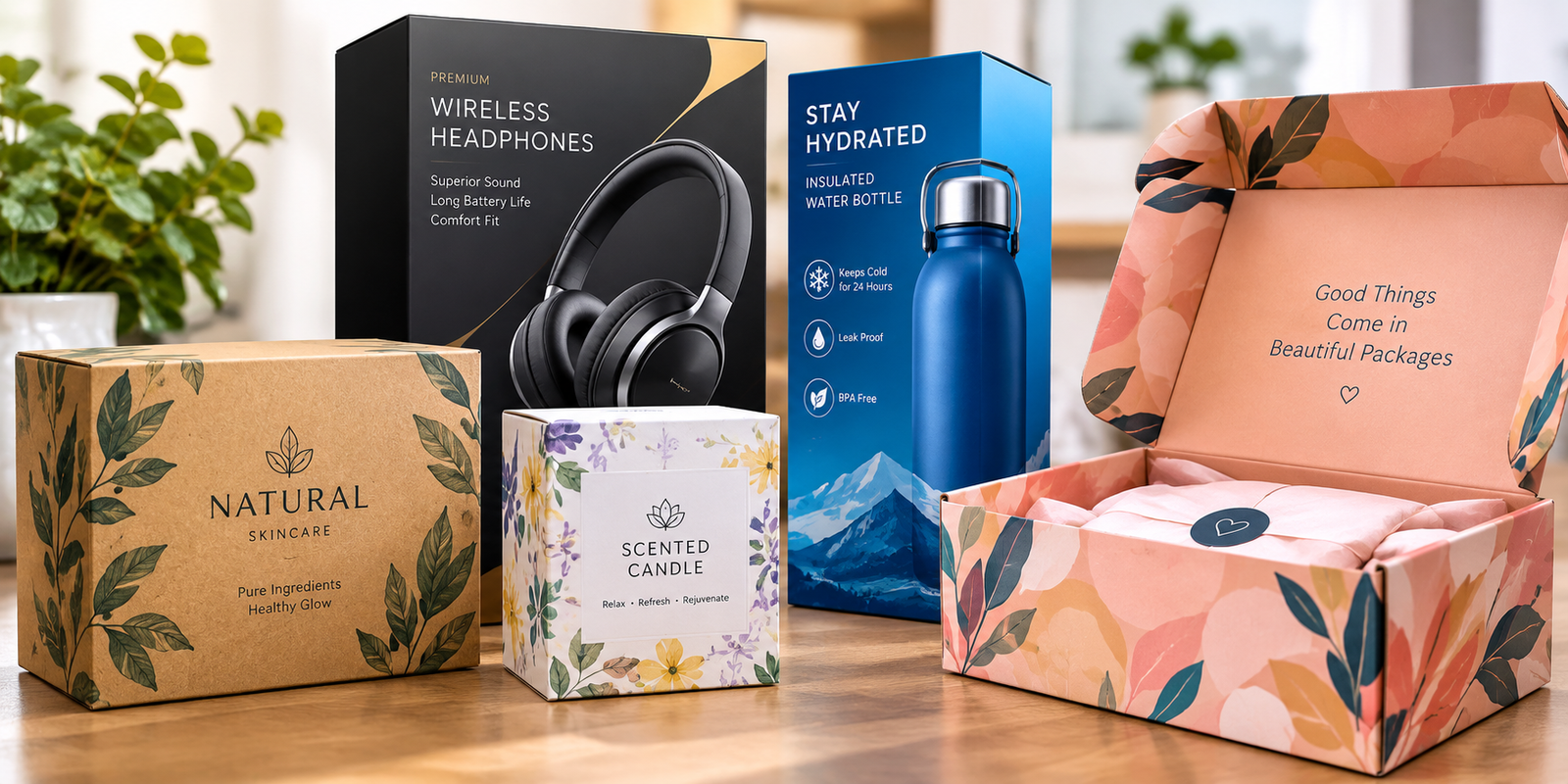
Lead with color psychology. The palette you choose should match both your brand identity and your target demographic — vibrant, saturated colors tend to work well for kids’ products and playful brands, while cleaner, more muted tones signal quality and tradition for more classic or premium buyers. Getting this mismatched is one of the fastest ways to lose a shopper’s attention before they even register what the product is.
Let the shape hint at what’s inside. Boxes shaped to echo their contents — like a candy container shaped like the fruit it’s flavored after — give shoppers an instant visual cue about the product before they’ve read a single word on the packaging. This kind of shape mirroring works because it communicates faster than text can.
Give shoppers a real look at the product. Transparent PET windows or die-cut cutouts let people see the actual texture, color, or finish of what they’re buying, rather than relying entirely on a printed image. This builds a level of trust that pure illustration can’t match, especially for products where texture or color variation matters to the buyer.
Add texture that invites touch. Techniques like embossing, debossing, or foil stamping in gold or silver create a tactile contrast that makes a box feel more premium in someone’s hands. This kind of detail often works subconsciously — shoppers may not consciously register why a box feels higher-quality, but the tactile cues are doing real work.
Messaging and Layout Strategy
Keep the front panel simple. Your core hook — the single thing you most want a shopper to understand in half a second — along with your logo, should dominate the front. Ingredient lists, barcodes, and dense text belong on the back or bottom, where a shopper only sees them once they’ve already picked the box up and shown interest.
Design for the full box, not just the front. Wide graphics or patterns that wrap continuously across multiple panels encourage shoppers to physically turn the box to see the rest of the image, which extends engagement time and turns the packaging into something closer to a small story rather than a static label.
Use handwriting sparingly for warmth. A selective script accent — a handwritten-style flourish on a tagline or brand name, for instance — breaks up otherwise rigid corporate typography and can add a sense of human warmth to an otherwise polished design. The key word is selective: overused, it can feel gimmicky rather than authentic.
Designing for Retail Functionality, Not Just Looks
Design around real shelf and counter constraints. A stackable footprint helps retailers keep shelves organized, while counter display trays with slightly angled fronts are specifically effective at checkout, where shoppers make fast, low-commitment impulse decisions.
Protect the product with custom-fit inserts. Molded pulp or cardboard inserts cut to the exact shape of your product prevent shifting during shipping and handling, protecting both the product and the box’s visual presentation by the time it reaches a shelf or a customer’s hands.
Consider sustainability as both a cost and marketing lever. Lightweight, fully recyclable folding cartons reduce shipping weight and cost, while also appealing directly to the growing segment of shoppers who factor environmental impact into purchasing decisions. It’s one of the few design choices that pays off on both the operational and marketing sides at once.
Getting From Concept to Shelf
Before committing to a full production run, short-run prototyping through custom packaging platforms lets you test a design physically — how it feels, how it photographs, how it performs on an actual shelf — before investing in bulk manufacturing.