Sound measurement plays a crucial role in our daily lives, from the quietest whisper to the loudest machinery. Among various acoustic measurement units, the sone stands out as a unique way to quantify perceived loudness rather than just sound intensity. When we talk about Sone 618, we’re referring to a specific measurement on the sone scale that represents a significant level of perceived loudness in acoustic engineering and sound analysis.
The concept of sone measurement revolutionized how we understand human perception of sound, moving beyond simple decibel readings to capture how humans actually experience loudness. Sone 618 represents a particular point on this scale that has practical implications across various industries and applications.
What is a Sone?
Definition and Scientific Foundation
A sone is a unit of loudness that measures the subjective perception of sound pressure. Unlike decibels, which measure sound intensity objectively, sones quantify how loud a sound actually seems to human ears. This distinction is crucial because human hearing doesn’t respond linearly to sound intensity changes.
The sone is defined as a subjective unit of loudness for an average listener equal to the loudness of a 1000-hertz sound that has an intensity 40 decibels above the listener’s own threshold of hearing. This standardized reference point ensures consistency across measurements and applications.
The Linear Nature of Sones
One of the most important characteristics of the sone scale is its linear relationship to perceived loudness. Doubling the sone value results in a sound that is perceived to be twice as loud. This means that if you have a sound measuring 2 sones, a 4-sone sound will seem exactly twice as loud to the average listener.
Understanding Sone 618 in Context
Magnitude and Perception
Sone 618 represents an extremely high level of perceived loudness on the sone scale. To put this in perspective, most everyday sounds fall within a much lower range on the sone scale. This measurement would indicate a sound that appears tremendously loud to human perception, far exceeding comfortable listening levels.
Practical Implications
When encountering a measurement like Sone 618, it’s important to understand the practical implications:
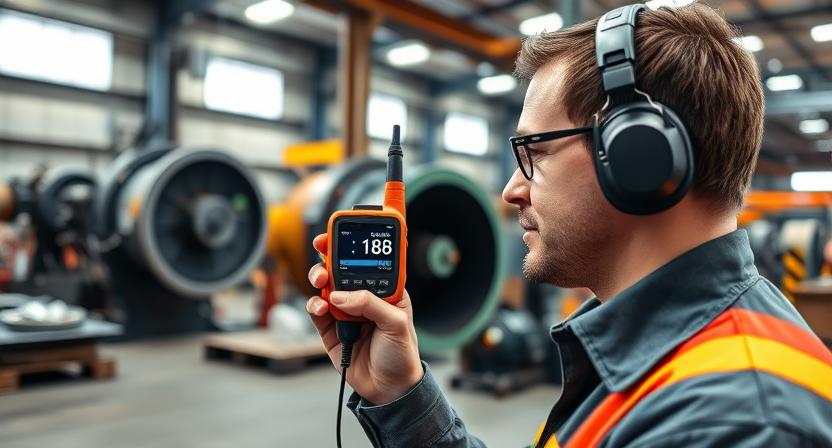
Industrial Applications: Such high sone measurements typically occur in heavy industrial environments, construction sites, or near powerful machinery. These levels would require significant hearing protection for anyone in the vicinity.
Acoustic Engineering: Engineers working with high-powered sound systems, industrial equipment, or noise control measures would encounter these measurements when designing solutions for extremely loud environments.
Safety Considerations: Any environment measuring Sone 618 would present serious hearing safety concerns, requiring immediate protective measures and careful exposure time management.
The Science Behind Sone Measurements
Psychoacoustics and Human Perception
The development of the sone scale stems from the field of psychoacoustics, which studies how humans perceive sound. Traditional decibel measurements, while scientifically accurate, don’t always correlate with how loud something actually sounds to our ears. The sone scale addresses this gap by incorporating human perception into the measurement.
Relationship to Decibels
While sones measure perceived loudness, they maintain a mathematical relationship with decibel measurements. However, this relationship isn’t linear due to the logarithmic nature of decibel scales and the complex way human ears process sound. Understanding both measurements provides a complete picture of sound characteristics.
Frequency Considerations
The reference point for sone measurements uses a 1000-hertz tone, but human perception of loudness varies across different frequencies. This means that sounds with identical decibel readings might have different sone values depending on their frequency content.
Applications of Sone Measurements
HVAC and Ventilation Systems
The HVAC industry frequently uses sone ratings to specify fan noise levels. Sones are used to measure noise, such as fans, which includes kitchen fans, bathroom fans, and those found in your range hood. Lower sone ratings indicate quieter operation, making them desirable for residential applications.
Appliance Industry
Many appliances now feature sone ratings to help consumers understand noise levels. From dishwashers to air purifiers, manufacturers use sone measurements to communicate how loud their products will seem during operation.
Architectural Acoustics
Architects and acoustic consultants use sone measurements when designing spaces that require specific noise characteristics. Concert halls, recording studios, and office buildings all benefit from precise sone-based acoustic planning.
Industrial Noise Control
In manufacturing and industrial settings, sone measurements help establish safe working environments and design appropriate noise control measures. High readings like Sone 618 would trigger comprehensive noise mitigation strategies.
Measuring and Interpreting Sone Values
Equipment and Methodology
Accurate sone measurements require specialized equipment that can capture both sound intensity and frequency characteristics. Professional sound level meters often include sone calculation capabilities, automatically converting raw acoustic data into perceived loudness values.
Calibration and Standards
Proper sone measurement relies on calibrated equipment and standardized testing procedures. The reference conditions established in laboratory settings ensure that sone readings remain consistent across different testing environments and equipment.
Environmental Factors
Temperature, humidity, and atmospheric pressure can all influence sound propagation and, consequently, sone measurements. Professional acoustic measurements account for these variables to ensure accuracy.
Safety and Health Considerations
Hearing Protection Requirements
Any environment approaching Sone 618 levels would mandate comprehensive hearing protection protocols. This includes:
Personal Protective Equipment: High-quality ear plugs, noise-canceling headphones, or combination protection systems.
Exposure Time Limits: Strict time limits for human exposure to prevent permanent hearing damage.
Regular Monitoring: Continuous sound level monitoring to ensure safety protocols remain effective.
Long-term Health Effects
Prolonged exposure to high sone levels can result in permanent hearing loss, tinnitus, and other auditory health issues. Understanding sone measurements helps establish safe exposure guidelines and protect worker health.
Regulatory Compliance
Many jurisdictions have specific regulations regarding noise exposure in workplace environments. Sone measurements help ensure compliance with these safety standards and protect organizations from liability issues.
Technology and Future Developments
Advanced Measurement Techniques
Modern acoustic measurement technology continues to evolve, providing more accurate and detailed sone readings. Digital processing capabilities allow for real-time sone calculations and comprehensive acoustic analysis.
Integration with Smart Systems
Smart building systems increasingly incorporate sone-based acoustic monitoring, automatically adjusting ventilation, sound masking, or other systems based on real-time loudness perception data.
Research and Development
Ongoing research in psychoacoustics continues to refine our understanding of human sound perception, potentially leading to improvements in sone measurement techniques and applications.
Conclusion
Understanding Sone 618 and the broader sone measurement system provides valuable insights into how humans perceive sound and loudness. Whether applied in industrial settings, consumer appliances, or architectural design, sone measurements offer a human-centered approach to acoustic analysis that goes beyond traditional decibel readings.
The extremely high value represented by Sone 618 highlights the importance of proper acoustic management, hearing protection, and safety protocols in environments with intense sound levels. As technology continues to advance, sone measurements will remain an essential tool for creating safer, more comfortable acoustic environments across all aspects of human activity.
Frequently Asked Questions (FAQs)
Q: What does Sone 618 represent in practical terms? A: Sone 618 represents an extremely high level of perceived loudness that would be encountered in very loud industrial environments. This level would require immediate hearing protection and strict exposure time limits to prevent hearing damage.
Q: How does a sone differ from a decibel? A: While decibels measure sound intensity objectively, sones measure how loud a sound actually seems to human ears. The sone scale is linear with perceived loudness, meaning doubling the sone value results in a sound that seems twice as loud.
Q: Is Sone 618 safe for human exposure? A: No, Sone 618 represents a dangerous level of sound exposure that would require comprehensive hearing protection and limited exposure time to prevent permanent hearing damage.
Q: Where might you encounter Sone 618 measurements? A: Such high sone measurements typically occur near powerful industrial machinery, construction equipment, jet engines, or other extremely loud sound sources.
Q: How are sone measurements taken? A: Sone measurements require specialized acoustic equipment that can capture both sound intensity and frequency characteristics, then calculate the perceived loudness value based on human hearing response patterns.
Q: What industries commonly use sone measurements? A: The HVAC industry, appliance manufacturing, architectural acoustics, industrial noise control, and audio engineering all frequently use sone measurements to specify and control sound levels.
Q: Can sone measurements vary between individuals? A: While sone measurements are standardized for the average listener, individual hearing characteristics can cause variations in perceived loudness. Age, hearing health, and frequency sensitivity all influence personal sound perception.
Q: What safety protocols are needed for high sone environments? A: High sone environments require personal protective equipment, exposure time limits, regular acoustic monitoring, proper training, and compliance with occupational safety regulations.